Recent photos of some of the rock art in Murujuga National Park, Nganjarli. Murujuga is listed now on UNESCO World Heritage List.
I had the privilege to visit and meet briefly with the Murujuga Rangers. The rock art is amazing to see in person. There’s a 700m trail with viewing platforms that leads through the rock art.
The heat, flies and distances travelled make you realise how different and harsh life was for the people then.
Eucalyptus caesia, Silver princess or gungurru is a species of mallee. It’s always been a favourite of mine because of its unique looks. It’s whitish-silver bark that transitions to that deep red.dish brown.
The fruit have three or four different shapes and stages and it has those umbrella-like pink stamen and yellow anthers on the flowers. They are some of my favourite native colours.
It droops! The branches weep down and it’s sparsely foliated. The leaves, like many eucalypt trees, have a waxy coating so the rain and dew beads on them making for gorgeous photos.
Then there’s the beautiful bark! It’s vertically striped up the trunk. What an odd tree! I just love it.
Anyway it rained the other day and I had a chance to test my sandmarc macro lens on the phone, it was the perfect opportunity. Here are the results.
I spent some time at night shooting stars while playing with the 10s exposure time on my iPhone 14, trying to push the limits of the image stabilisation.
It was about 9-10pm on a dark night at Denham, WA on the coast. The small-ish town from the top of the main hill, has small groups of city lighting and on that night, handful of night fishing boats a 1km or so off shore shining their spot lights back to land. Along the main coastline escapement a solar-lit walk path has been installed and the end of the solar light trail, there are no street lights and it is very very dark.
I tried all sorts of ways to break the phone image stabilisation and get light streaking. The iPhone tech seems to front load a lot of the image capture and then apply iterative adjustments as the image develops. So after 1s or so, most of the image is captured and you lose the chance to move the lens and blur the image.
The best results were achieved by pressing the shutter button, waiting a short moment and then moving the camera quickly. Too slow and you’ll get no effect, the phone works fast.
I tried all sorts, slow-quick movement, spinning the phone, vertical and horizontal movement. What did work well and seemed to confuse it, was taking the photo in a light area and moving to a dark (light to night sky) or vice versa. It took a lot longer trying to match the original scene to the new and after messing it up, it gave up pretty quickly.
Here are some of the results I got with some light streaking, and a couple of the star shots using the 10s exposure. You can only set it to 2s btw and then it auto adjusts up to 10s max.
The lemon tree gets heavier and heavier each year and I struggle to find ways to use them, very fortunate! Here’s this year’s first use and its homemade lemonade.
If you’re looking for an easy but super yummy recipe for making your own lemonade, try this one out. This recipe makes around 2 litres or around 70 oz, so halve it if it’s too much for you.
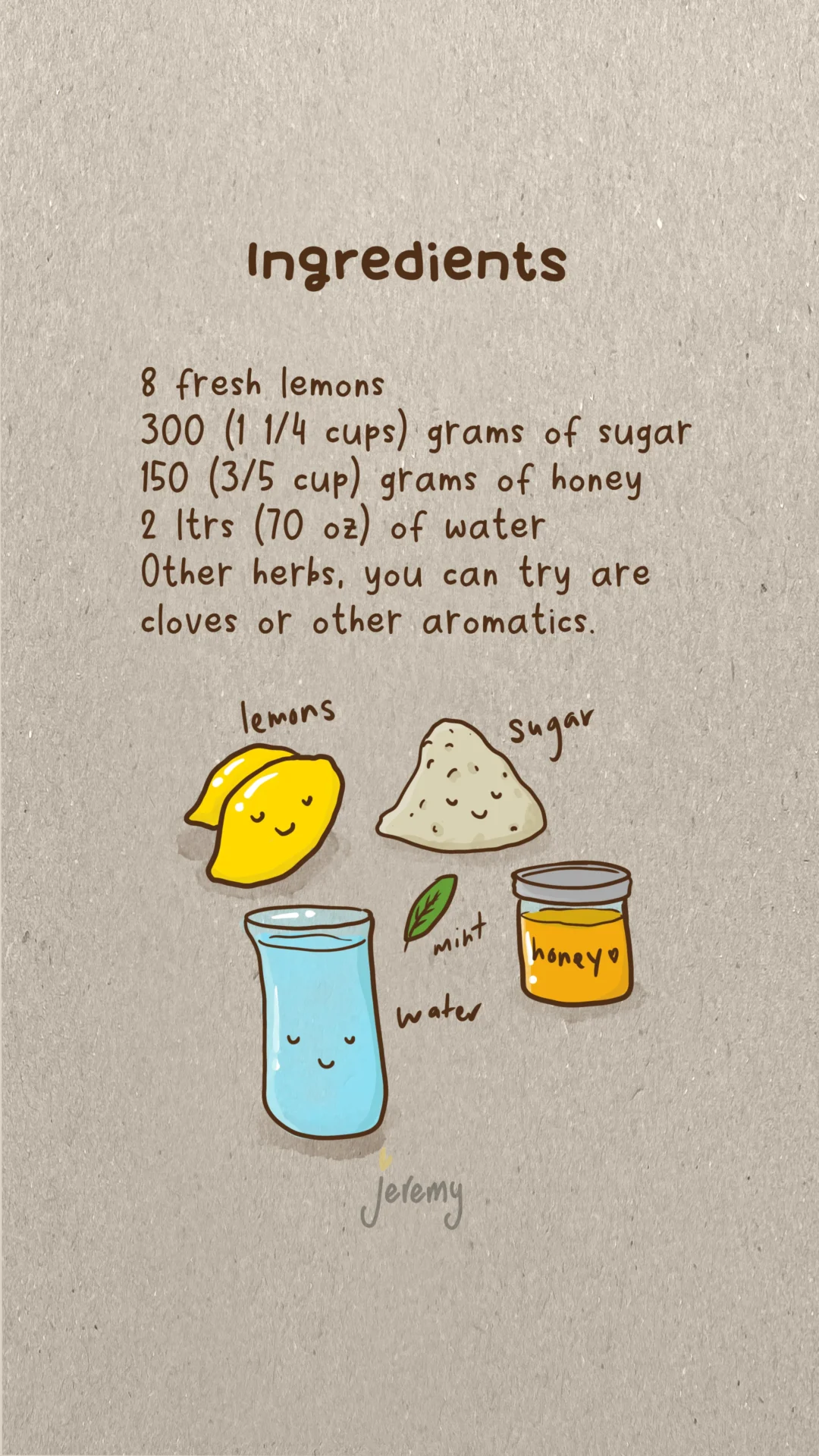
Ingredients
8 x fresh lemons
300 (1 1/4 cup)grams of sugar
150 (3/5 cup) grams of honey
Other erbs. You might try cloves, other aromatics
2 ltrs (70 oz) of water
Let’s get to it. Be aware that the flavour of the honey you use will affect the taste of your lemonade. Try experimenting with different honeys.
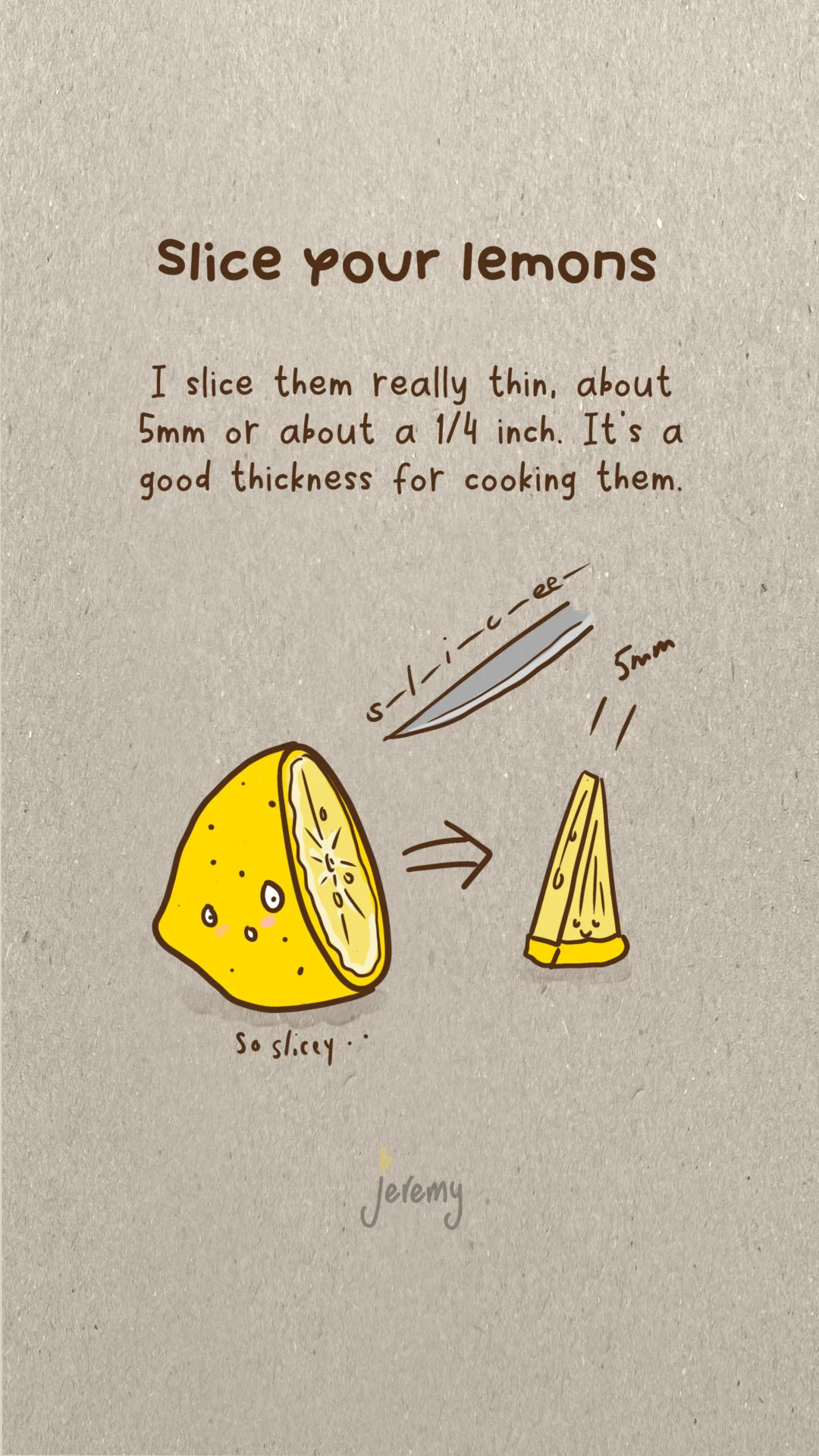
Slice your lemons
Slice your lemons into halves, then quarters and remove the seeds and white pith in the centre. I cut a shallow triangle in the centre to make it quick and easy.
Then I slice them really thin, about 5mm or about a 1/4 inch. It’s a good thickness for cooking them and also when you eventually eat a slice or two in your lemonade.
Cook your lemons
Throw the water into a large saucepan and then the lemons and the rest of the ingredients. Bring it to the boil and then down to a simmer for 20 – 30 minutes. I sometimes leave it in longer to soften up the lemons further.
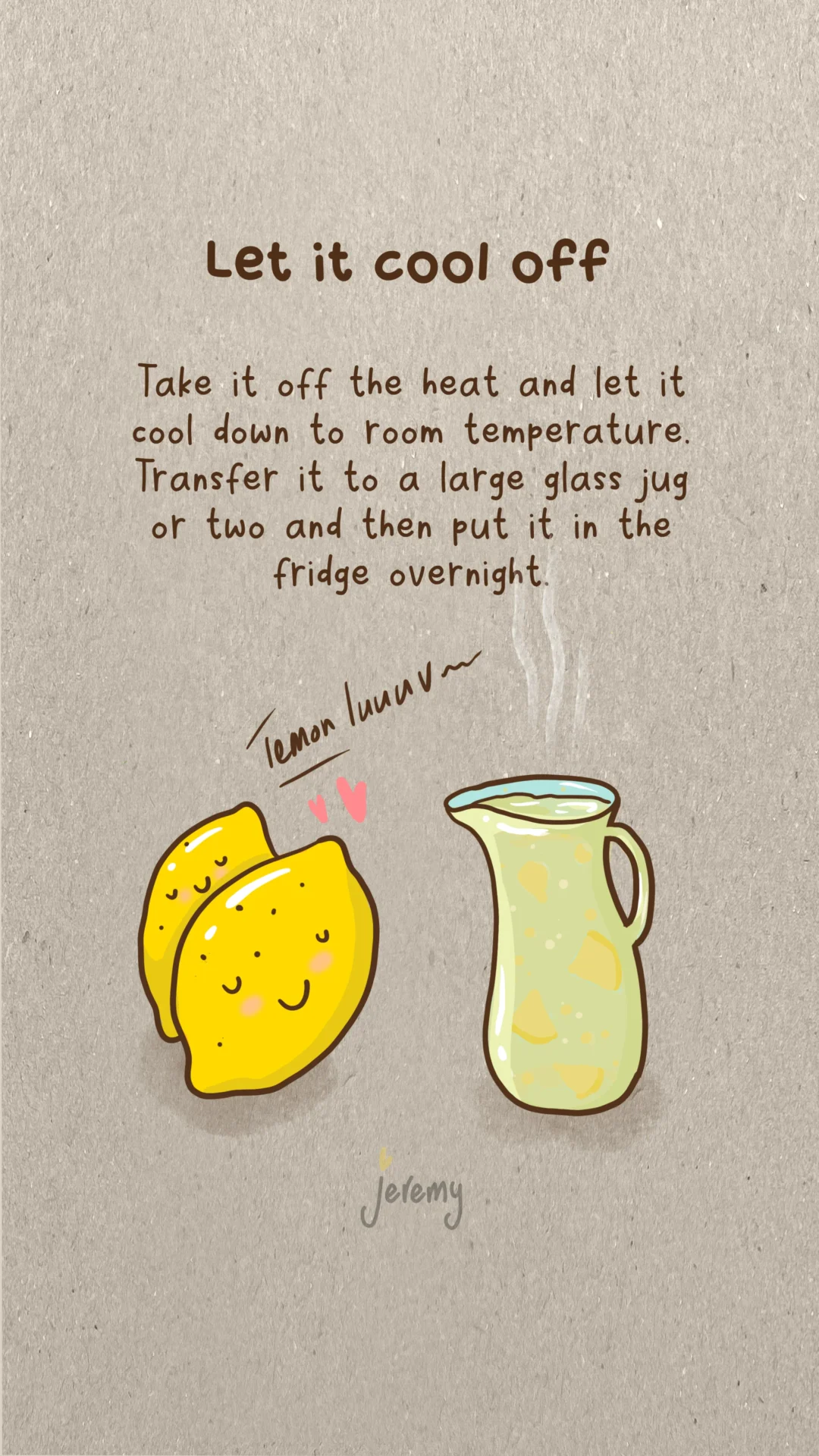
Let it cool
Take it off the heat and let it cool down to room temperature. You could transfer it to a large glass jug or two at this point.
Then put it in the fridge to sit for at least 24 hours. This will let all of the goodness mix and the lemon and sugars mingle into a super strong lemony flavour.
Enjoy your lemonade
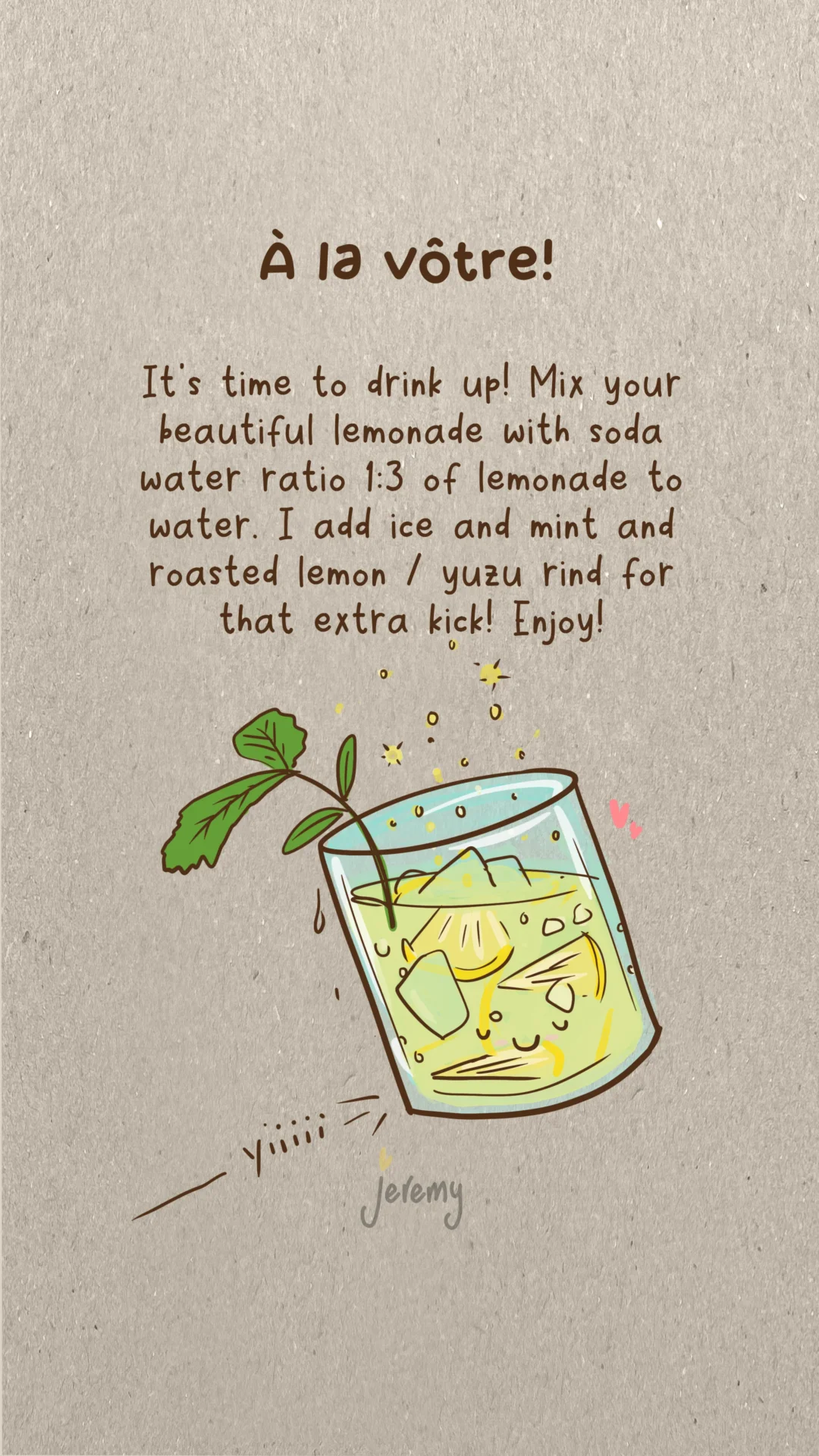
Your lemonade doesn’t have any fizz so grab some ice and soda water and mix it up. I use less sugar sometimes and use a ration of 1/3 lemonade to 2/3 soda water. Experiment to find your best ratio.
I love the natural flavour that this picks up from the lemon rind. It’s a very different taste to what you get in the bottle from the supermarket. Hope you like this and leave a comment if you made some and it worked for you!
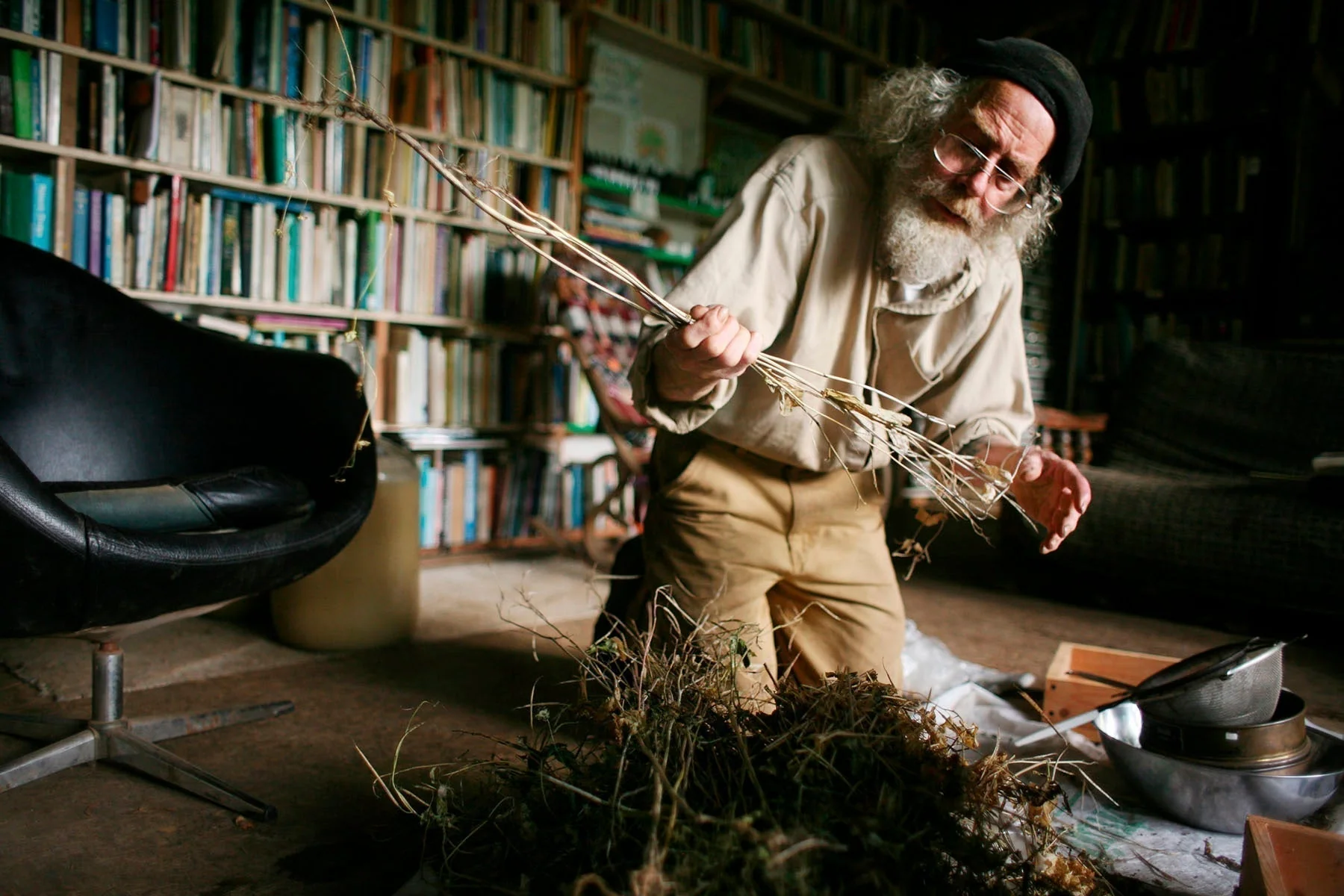
I came across Joe Hollis’ MountainGardens retreat around 2019 I think, and was struck by his philosophy of working with nature. It was his wasabi videos that I watched first and he had such a wealth of knowledge and presented it so humbly on camera. Joe was fortunate enough to have running streams through his property that were ideal for growing wasabi. I followed his updates on YouTube and instagram, learnt a great deal and really enjoyed the insights into life there in the South Toe valley in North Carolina.
A fire in 2022 devastated half of his life’s work of seed collecting, tincture creating, the apothecary and herb shop, many tools, and the manual knowledge recording. It affected his health, but of course he got right back to rebuilding. There is a GoFundMe page if you would like to donate. It’s heartening to see people donating each day even now, a testament to the legacy of sharing that Joe had.
Joe passed away from cancer in Nov 2023, handing over the work to some very dedicated people. In late 2024 a landslide cut a swath through the side of the property and more recently in 2025, a hurricane caused further damage. It seems like a reminder that nature is the true survivor and eventually we and all of our created work are all returned to where they came from, back to nature.
That doesn’t mean our work is pointless. We can make a difference and influence the future generations and our memories and activity, may eventually be those of the people coming after us.
It also seems timely as two other events unfold, one being the release this month of David Attenborough’s likely last major production, Ocean.
And the other being the holding of the largest herb festival in the United States and Canada, the Asheville Herb FestivalA festival that the MountainGarden team attend.
It seems a good time to write about Joe and his work as the onsite workshops have just restarted at his property. Joe’s philosophy was to demonstrate a way of living that’s good for the planet, good for society and good for him the individual. It seems many of us have it in the reverse order. His annual income rarely went above $10k and so tax wasn’t a concern. The focus was on a life that had its needs met by the surrounding natural environment and not the monetary or economic system.
You could take the view that this approach is 60-70’s influenced, a remainder of the hippie era. And there’s some aspect of that to tincture and herbal product making even today. However, it’s the philosophy that’s interesting.
With the state of our ocean and climate changes being so drastic, it seems we need a major rework of how we produce consumable objects to preserve the world we have now. There’s hope all around us, with people like Uluu working on removing plastic from our ecosystem. Clothing on this site by the way, is remilled material. I’m sure we all do our part in our local area as well.
This year (2025) I came across Jon Jandai’s TedX talk on how life is easy. Jon has a similar mindset to Joe and speaks about how we do so much comparing with others, that we get distracted from being with ourselves (understanding ourselves) and living our life together. This seems to be some of the essence of the issues that social media platforms are causing across society today.
He’s created a community seed bank and education centre in Thailand where people are living an easy life, not trying to make it complicated and hard. I enjoyed his lesson on the pair of jeans and the fashion industry. He saved for a month for a pair of jeans, put them on and looked at himself from different angles and saw he was still the same guy. He realised that chasing the latest fashion didn’t change him and that going to uni, working hard to work hard to make even harder work, was not his direction in life.
I’m a seed saver myself and each year the process gets a little more organised. As I work on my next book and sustainability blog, I’m finding more depth to the aspects of health and the beauty of natural life. Some plants just really are stunningly beautiful as well as being good for us, like ginseng. No seeds, no life – as Jon says.
This blog really is a thank you to Joe for the 50 years of work and banked knowledge that he’s shared in documents and videos. I’m grateful to have stumbled across his work, continue to watch his videos and will hopefully contribute a little back to this planet in my time here.
Maybe this is the timing when we look at how we can live in a way that’s good for the planet, good for society and good for us.
Image credit to Mountain Gardens.
Leave a comment if you connected with this or join me on Threads.