Category: Sustainability

  • Rivian EV test drive in Perth

    Rivian EV test drive in Perth

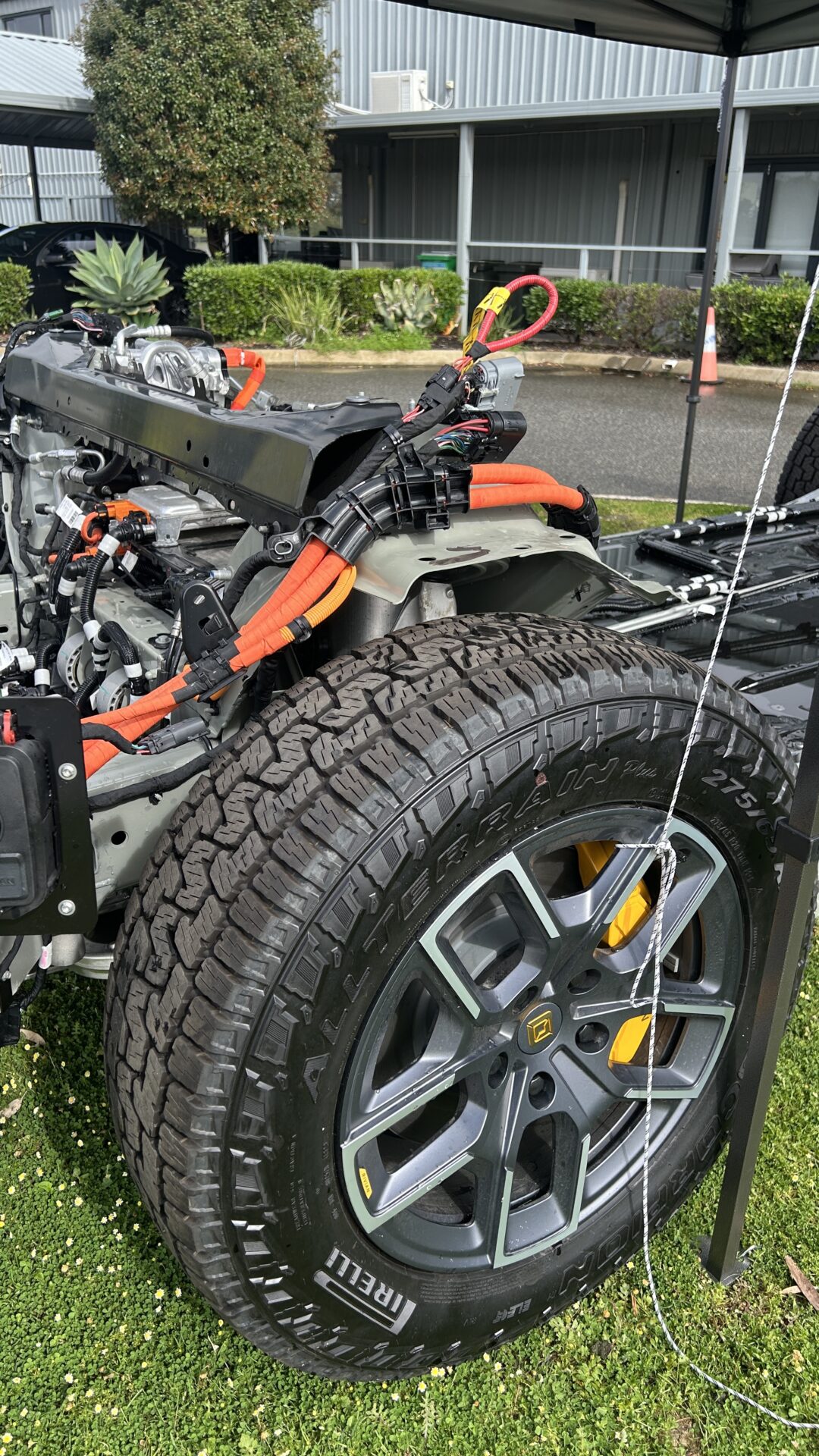
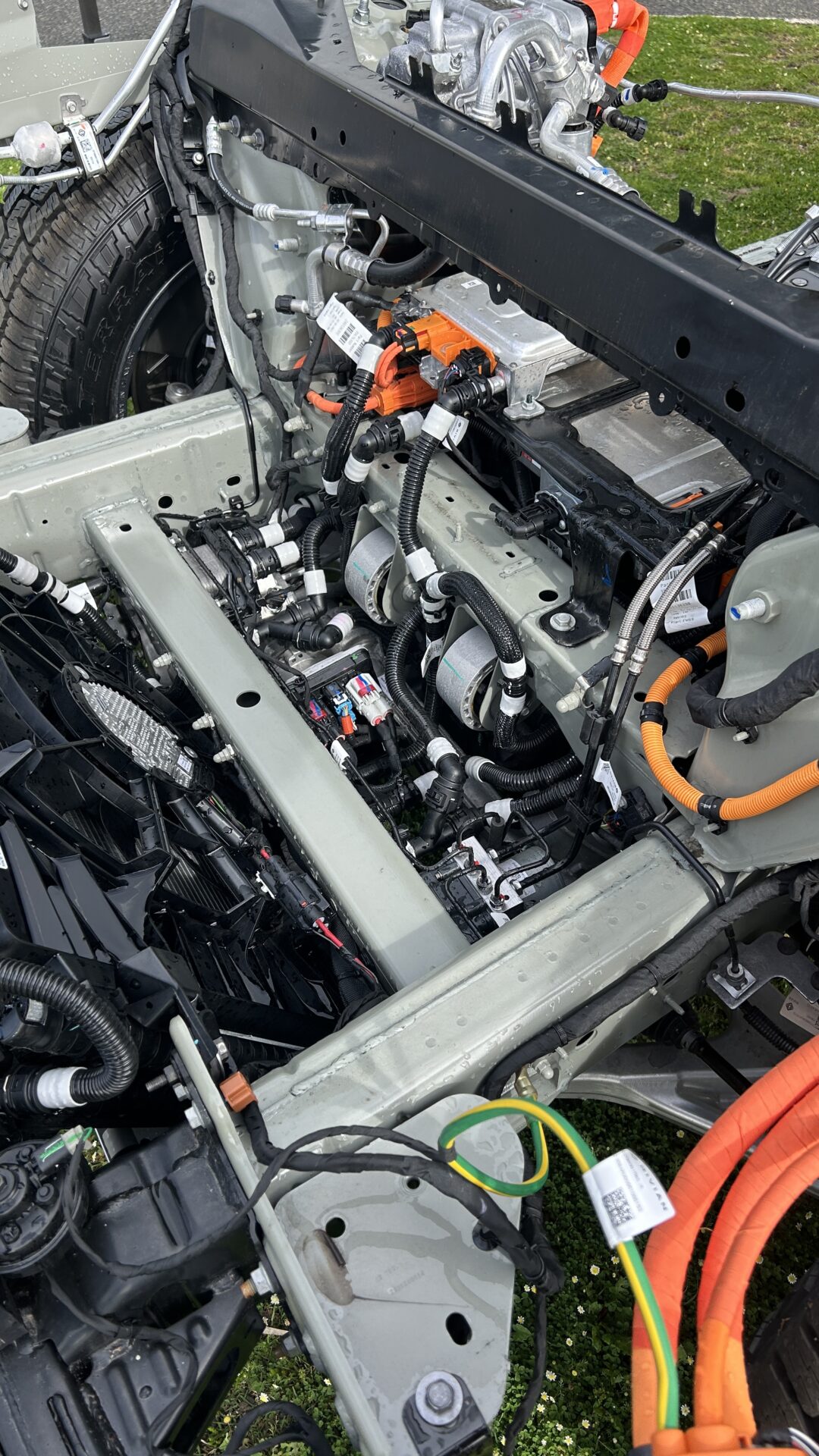
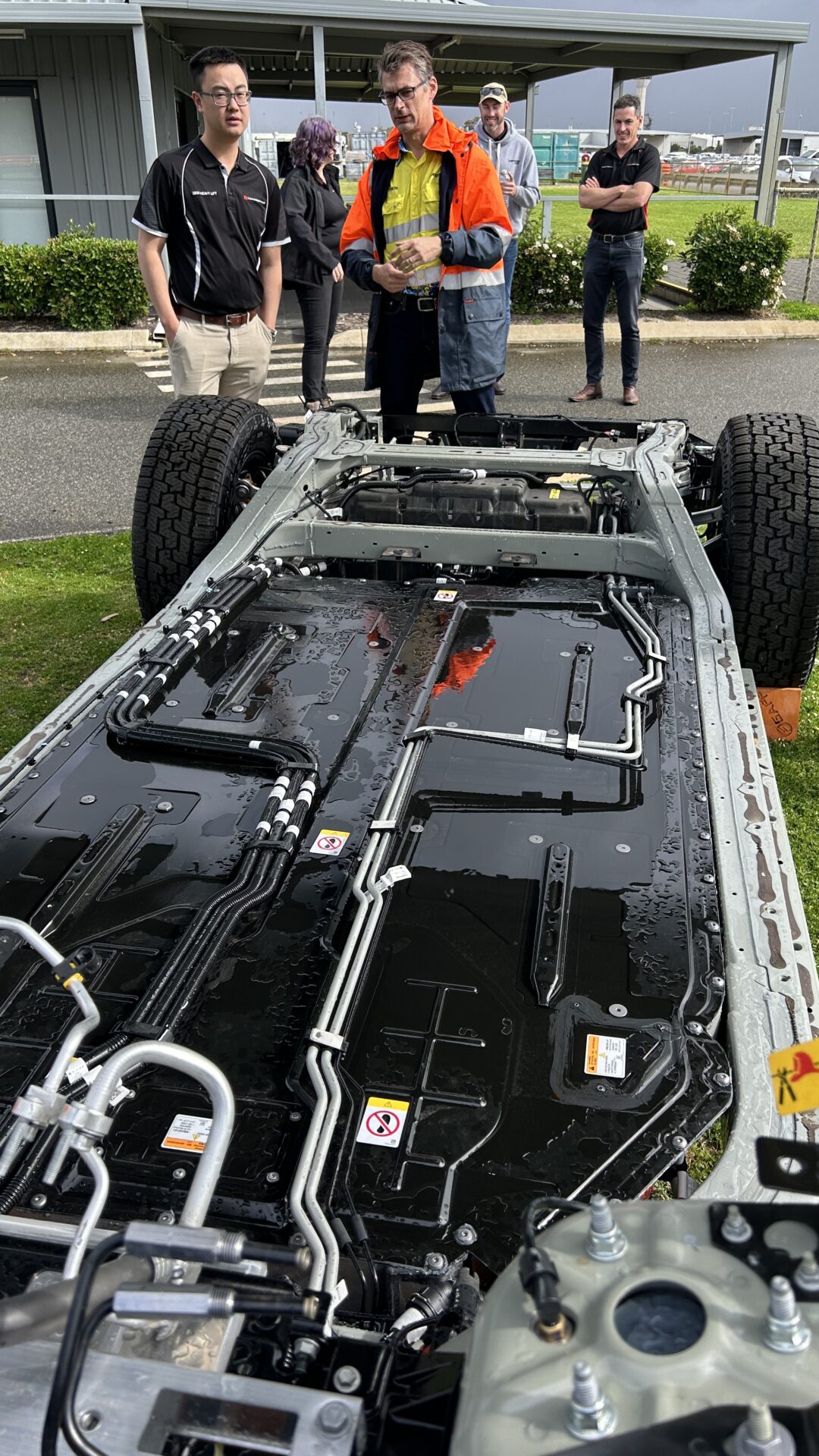
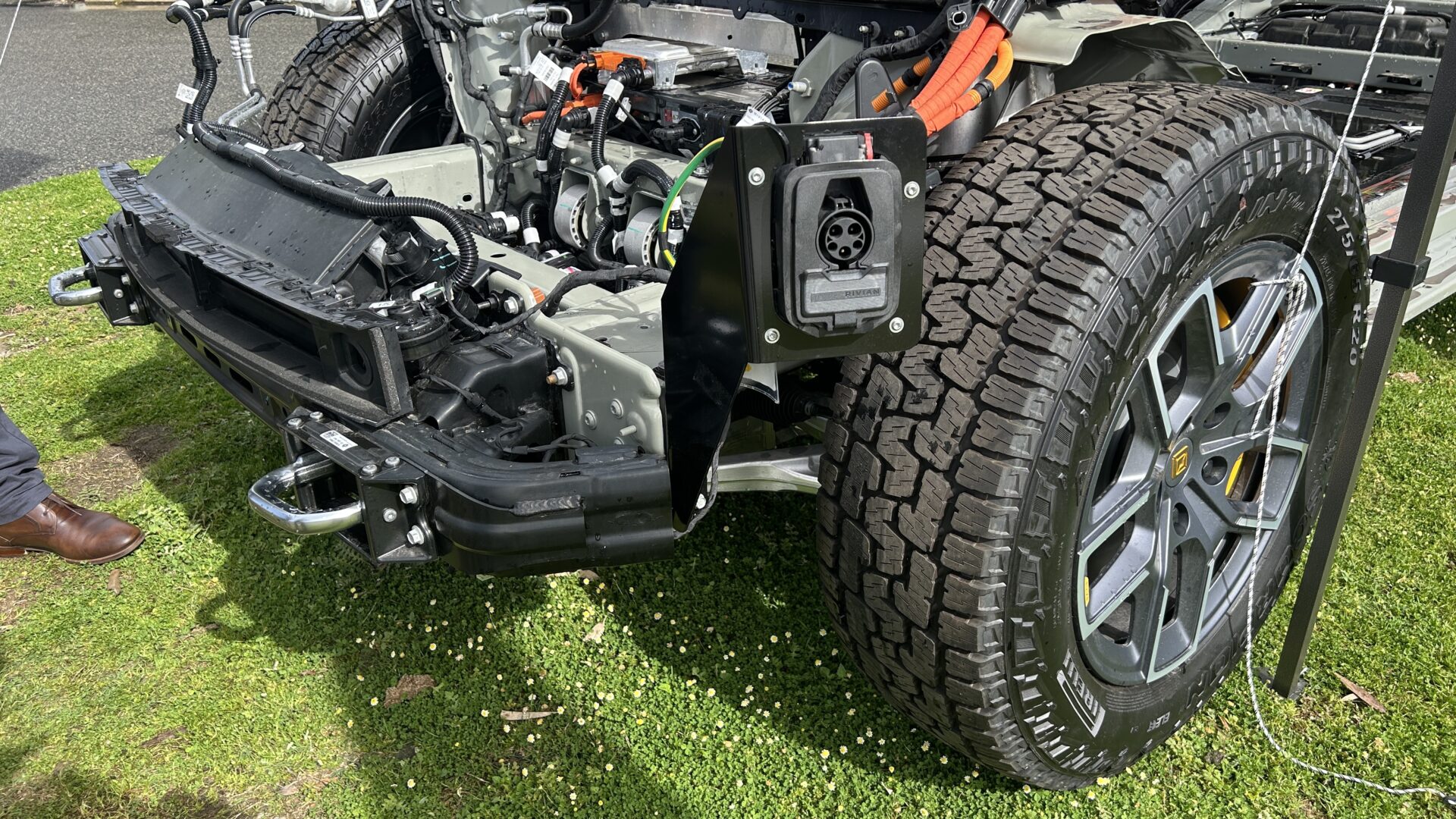
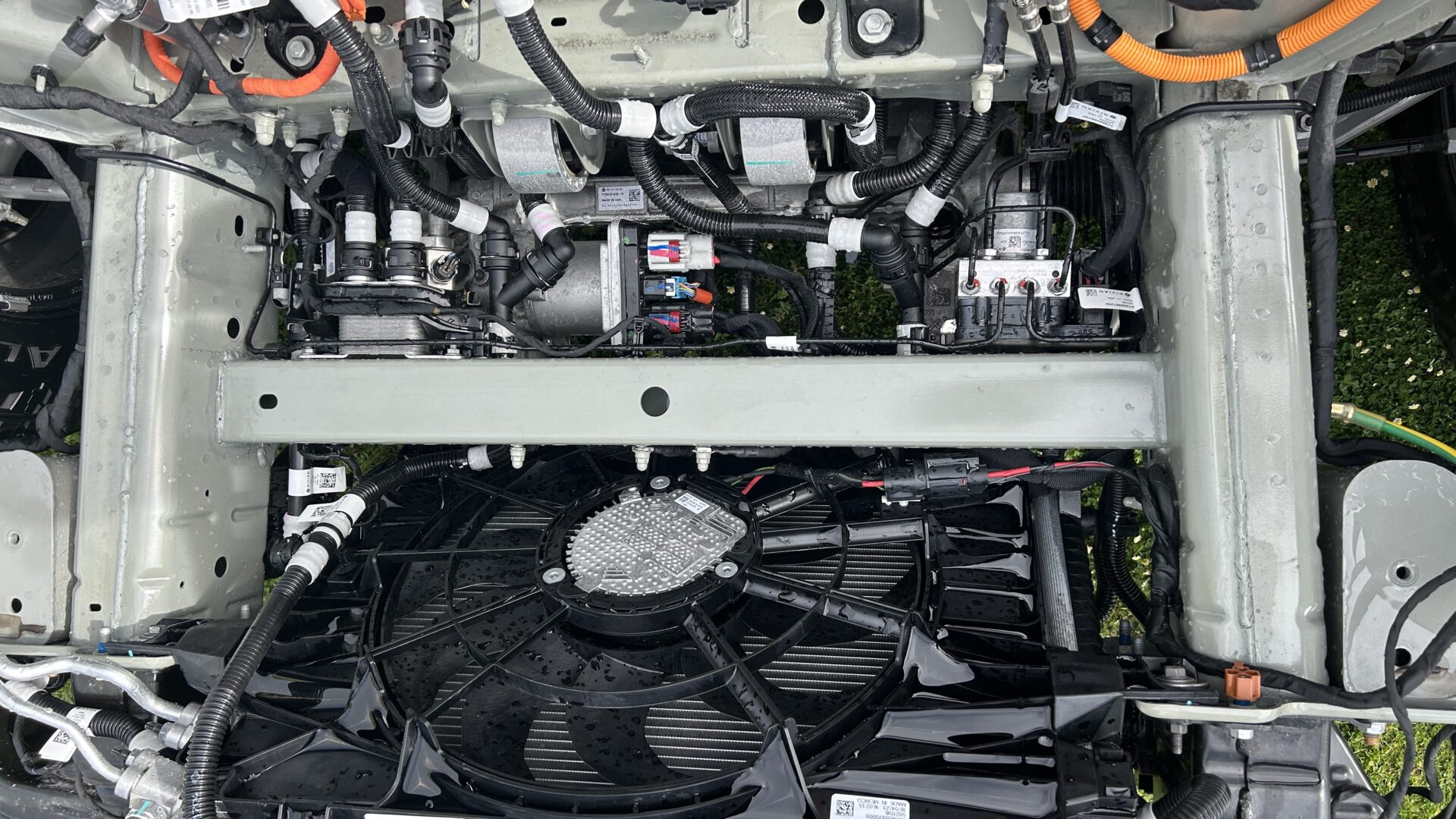
    Last year I had the chance to test out the Rivian electric ute. It’s a beautiful thing.

    Mevco have the license for national distribution (with McLaren) for commercial vehicles and indicated there were no clear plans to service the consumer market.

    Rivian is keeping that card up their sleeve for later, as they have indicated many times they’ll be coming to Australia in the future.

    I’ve always admired Rivian and their philosophy on creating a sustainable product that’ll shift this world from fossil fuel consumption. They have continued to iterate on consumer feedback and research to produce products to that not only out-perform the others but are a pleasure to drive.

    When they eventually land in Australia for the consumer, I expect they’ll be around the $130k mark. I tested these demo vehicles that Mevco has setup for commercial trials around their local test track. They’re selling these to Mining companies preconfigured with a bunch of gear.

    They’re stylish from all angles and the cabin is premium with a mix of fabric, leather and wood. It’s levels above a Tesla which feels more like a low level market sedan in comparison.

    Later this year the quad-motor will be available in the US and will output power and torque up to 764kW and 1624Nm. They’re leaping ahead of the major manufacturers.

    With a range of 600km and the ability to plug in 240v power tools, this is a portable power station for tradies. Once we solve the charging in the outback issue, it will be the end of the diesel cruisers.

    They will need some adjustment for Aussie roads though, especially the corrugations. I drove the white vehicle around the basic track and it was a beast. The most impressive action was through the deep sand. Beach drivers in Australia will love these as they just have limitless power. I felt confident of being able to just rock and power out of pretty much any bog situation.

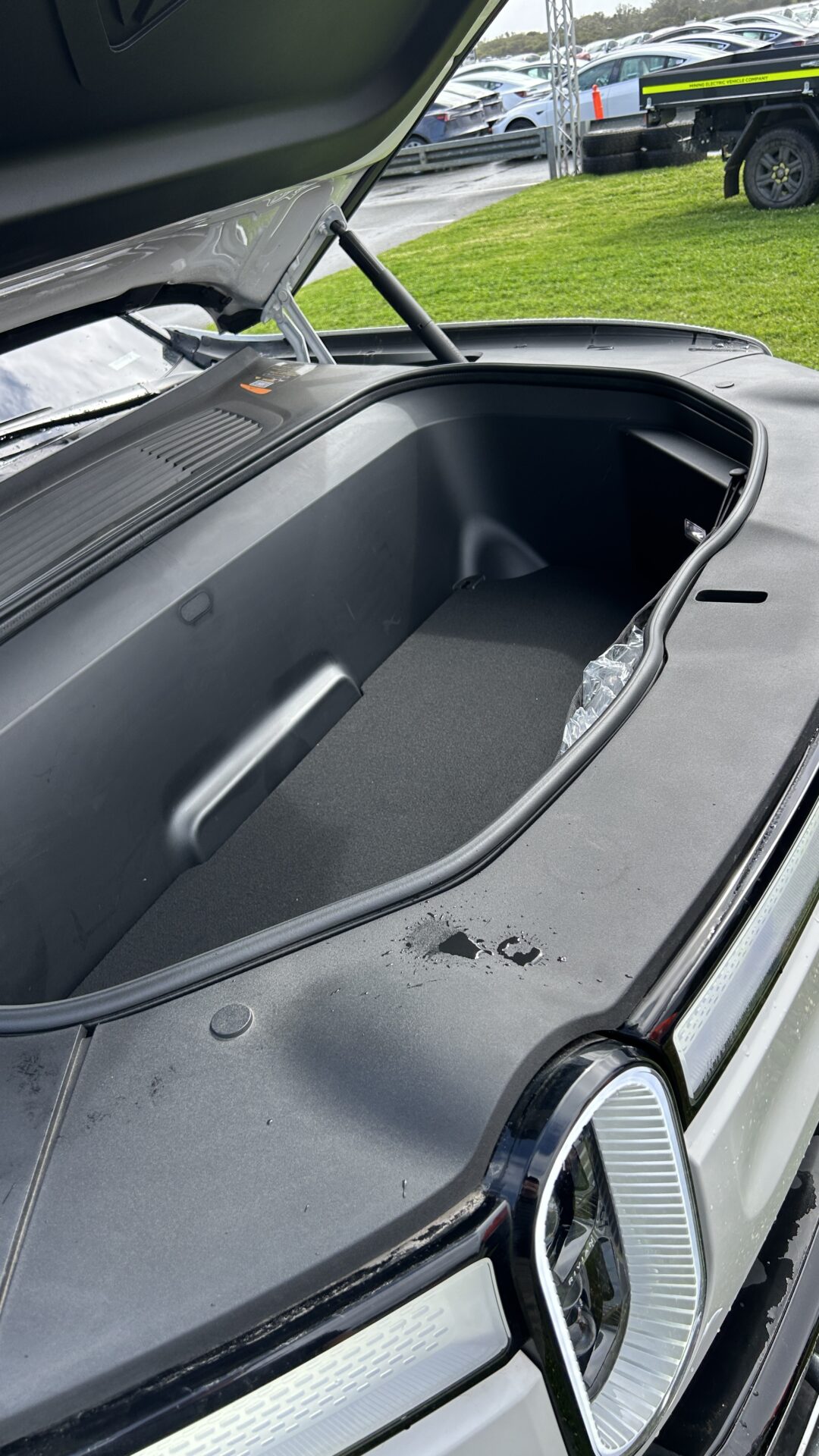
    I loved the interior, UI of the screen and crazy amount of digital controls. The storage and ability to lift the suspension are also great.
    I’d still like to be able to swap out that front face plate though.
    With some decent tires, lift and some front protection, this would be a serious beast off road.

    At the time, Mevco were testing some in the Pilbara so the results in the heat, dust and salt will be interesting to learn about.

    If they were available I’d buy one.
    Have you driven one or are you an owner?

  • How to make fig leaf tea

    How to make fig leaf tea

    Fig leaf tea has many potential health benefits and has flavours similar to rooibos or chamomile. So it may not be everyone’s ….  I like it though! There’s something very earthy about it. It’s gotta be one of the earthiest teas I’ve tasted. 

    Here’s a couple of methods to make your own fig leaf tea, with the leaves from the fig tree in your garden.

    What is fig leaf tea good for?

    Fig leaves are a rich natural source of bioactive compounds and phytochemicals  including antioxidants (also berries have these) phenolic compounds, unsaturated fatty acids and vitamin micronutrients. They include Manganese, Iron, Magnesium, Sodium, Calcium, Potassium, Zinc and vitamins, A, B1 and B2 to start. They can play a vital role against gut conditions, diabetes and cardiovascular conditions. 

    Read a study by the National Institute of Health.

    Gather your fig leaves

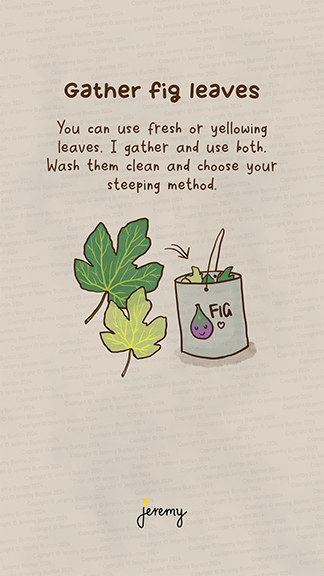
    Whatever leaves you have available are fine. Preferably from your own garden so you know how they’ve been treated (no chemicals). The leaves can be fresh or yellowing. 
    Wash them clean and then think about your steeping method. 

    Take care of the sap dripping from the stalks of the leaves if you harvest them fresh (preferred option). It can irritate some people’s skin. If the sap gets on your skin, wash it off as soon as you can. I harvest using rubber gardening gloves. 

    Steep your leaves

    If you choose to steep your leaves fresh, they can go straight into the saucepan. Just cover the leaves with water and steep (bring to boil, then down to a low simmer) for one hour. Let the tea mix sit for a further hour and steep. 

    Chill your tea 

    If you like your tea hot, strain and drink it immediately. Otherwise strain it into a jug and fridge it for later on. I don’t mind it hot, especially in winter. But I generally prefer it cold, because the figs grow in summer time. 

    I’ve got a purple heart variety of fig that has massive heart shaped leaves. I only need one of those to make a good pot of tea. 

    Dry and store your leaves

    If you choose to dry your fig leaves, put them in the oven for 20 minutes on a very low heat or use your dehydrator until dry and crunchy. Crunch them up and store in glass jars, just like other tea leaves. 

    It’s fig leaf tea time!

    The dry leaves can be strained and steeped just like any other tea leaves, in a teapot, drink bottle or using a strainer. 

    Enjoy!

    Other uses of the leaves

    Food wrap

    The leaves can be used as a food wrap like a spinach leaf. Simmer it in salt water for 15-20 minutes until it’s tender. Try wrapping steak, mushroom or other foods in it. 

    In preserves

    I haven’t tried it yet, but some have mentioned that the leaves can be used in preserves to add flavour. 

    Leave a comment if you found this useful. 

    Join me on Threads for more or subscribe at the bottom of the page for these posts in your email.

  • The philosophy of living as a part of nature

    The philosophy of living as a part of nature

    I came across Joe Hollis’ MountainGardens retreat around 2019 I think, and was struck by his philosophy of working with nature. It was his wasabi videos that I watched first and he had such a wealth of knowledge and presented it so humbly on camera. Joe was fortunate enough to have running streams through his property that were ideal for growing wasabi. I followed his updates on YouTube and instagram, learnt a great deal and really enjoyed the insights into life there in the South Toe valley in North Carolina. 

    A fire in 2022 devastated half of his life’s work of seed collecting, tincture creating, the apothecary and herb shop, many tools, and the manual knowledge recording. It affected his health, but of course he got right back to rebuilding. There is a GoFundMe page if you would like to donate. It’s heartening to see people donating each day even now, a testament to the legacy of sharing that Joe had. 

    Joe passed away from cancer in Nov 2023, handing over the work to some very dedicated people. In late 2024 a landslide cut a swath through the side of the property and more recently in 2025, a hurricane caused further damage. It seems like a reminder that nature is the true survivor and eventually we and all of our created work are all returned to where they came from, back to nature.

    That doesn’t mean our work is pointless. We can make a difference and influence the future generations and our memories and activity, may eventually be those of the people coming after us. 

    It also seems timely as two other events unfold, one being the release this month of David Attenborough’s likely last major production, Ocean.

    And the other being the holding of the largest herb festival in the United States and Canada, the Asheville Herb FestivalA festival that the MountainGarden team attend.

    It seems a good time to write about Joe and his work as the onsite workshops have just restarted at his property. Joe’s philosophy was to demonstrate a way of living that’s good for the planet, good for society and good for him the individual. It seems many of us have it in the reverse order. 
    His annual income rarely went above $10k and so tax wasn’t a concern. The focus was on a life that had its needs met by the surrounding natural environment and not the monetary or economic system. 

    You could take the view that this approach is 60-70’s influenced, a remainder of the hippie era. And there’s some aspect of that to tincture and herbal product making even today. However, it’s the philosophy that’s interesting. 

    With the state of our ocean and climate changes being so drastic, it seems we need a major rework of how we produce consumable objects to preserve the world we have now. There’s hope all around us, with people like Uluu working on removing plastic from our ecosystem. Clothing on this site by the way, is remilled material. I’m sure we all do our part in our local area as well. 

    This year (2025) I came across Jon Jandai’s TedX talk on how life is easy. Jon has a similar mindset to Joe and speaks about how we do so much comparing with others, that we get distracted from being with ourselves (understanding ourselves) and living our life together. This seems to be some of the essence of the issues that social media platforms are causing across society today. 

    He’s created a community seed bank and education centre in Thailand where people are living an easy life, not trying to make it complicated and hard. I enjoyed his lesson on the pair of jeans and the fashion industry. He saved for a month for a pair of jeans, put them on and looked at himself from different angles and saw he was still the same guy. He realised that chasing the latest fashion didn’t change him and that going to uni, working hard to work hard to make even harder work, was not his direction in life.  

    I’m a seed saver myself and each year the process gets a little more organised. As I work on my next book and sustainability blog, I’m finding more depth to the aspects of health and the beauty of natural life. Some plants just really are stunningly beautiful as well as being good for us, like ginseng. No seeds, no life – as Jon says. 

    This blog really is a thank you to Joe for the 50 years of work and banked knowledge that he’s shared in documents and videos. I’m grateful to have stumbled across his work, continue to watch his videos and will hopefully contribute a little back to this planet in my time here. 

    Maybe this is the timing when we look at how we can live in a way that’s good for the planet, good for society and good for us.

    Image credit to Mountain Gardens.

    Leave a comment if you connected with this or join me on Threads

  • How I upcycle plastic milk bottles into pot plants

    How I upcycle plastic milk bottles into pot plants

    Have you ever looked at those plastic milk containers and just thought, what a waste? Yeah me too. They’re single use plastic, even though they are recyclable. 

    Fortunately, there are lots of ways to reuse these. One way I upcycle them is into pots for plants. They’re a great size to get seedlings or small trees started and they have a convenient little handle built in.

    Here’s how I upcycle the plastic milk bottles we have in Australia. 

    Grab your milk bottle

    I use the standard 2L milk bottles that are common here in Australia. It’s a good size for planting into. 

    Cut the top off

    I make two cuts using scissors, around the top all the way around. You’re going to make an inverted funnel to plant the seedling into. You can alternatively, just cut the top off and use it that way (just cut the top off and keep the handle). 

    Open drainage holes

    Use scissors or a drill to open drainage holes in the bottom of the bottle. it works better if you push them out from the inside if you’re using scissors, the water will drain better. The holes also provide an escape route for your worms if you add them. 

    Fill up with soil

    Almost fill your milk bottle with potting mix or soil and add a worm or two if you have them. Worms will only eat anything rotting.  

    Plant your seedling

    Put your seedling through the upside down lid and plant the roots into the soil by placing the inverted lid into the main bottle. This is a little tricky but you’ll get it!

    The upside down lid helps reduce water evaporation. 

    Place it in the shade

    Your seedling will need some time to settle. Give it some care and attention until it’s big enough to plant into the ground or a bigger pot. 

    You can use this container again even after you plant out your seedling into a bigger pot. Just start all over again. 

    Nice work!

    Leave a comment if you found this useful. 

    Join me on Threads for more or subscribe at the bottom of the page for these posts in your email.

  • How I stop citrus trees from burning in the sun

    How I stop citrus trees from burning in the sun

    Citrus trees can suffer from sunburn. In Australia we have some serious sun and in summer time with no protection, some citrus trees will get burnt. There’s a lot of things we can do to help prevent it. Here are three simple ways to stop the burn and save your trees.

    Provide part shade

    Provide some shade for your tree by putting up some shade cloth. If your tree is in a pot you can move it into a shadier location. For some of my smaller trees, I put shade cloth on one side and it saves them during the major heat of the day. 

    You’ll find that the leaves will green up, get softer and grow larger in the shade. Adjust the amount of shade for each tree as their requirements are different. 

    Oh and yeah, this is great for some fruit too. I’ve found our lemons don’t burn as badly with a little shade. 

    Paint the trunk white

    Grab some paint that will last (water-based latex paint) or find tree trunk paint at your local home hardware centre. Some people mix it with white acrylic paint. 

    Paint the bottom two thirds or wherever you see sunburn. You’ll see the bark turning brown and eventually dying off if it’s getting burnt. 

    It’s like sunscreen for trees!

    Mulch around the tree

    Mulching a few inches around the base is a great way to save water, keep the citrus tree roots moist for longer and trap some of the heat into the soil. 

    Mulch the width of the tree. 

    Other ways to prevent burn

    Water your trees before hot days. The night before is good so they’ve had adequate time to soak up the water. 

    Burlap barriers. These can be used instead or as well as the white paint method. However be mindful to keep checking where it comes into contact with the tree bark and no rot is forming. 

    Put geofabric around the base. I wasn’t a fan of this tbh, but I tested it and it’s worked well in smaller pots to reduce evaporation. 

    Reflective heat off building or other surfaces. I have a corner of the garden where three trees sit in an area with three light coloured walls around them. There’s quite a bit of radiant light and heat coming off the walls and the trees struggle. 

    I think I’ll be moving them soon. 

    Don’t prune during the heat of summer. It opens up wounds which enable water loss through evaporation. I’ve had trees die on me because I cut branches off during summer. 

    I hope these help, leave a comment if you give these a try. 

    Join me on Threads for more or subscribe at the bottom of the page for these posts in your email.