Category: Art & Business

  • Watermarking your digital artwork

    Watermarking your digital artwork

    At some point as an artist, we come across the subject of watermarking artwork to protect it from theft or repurposing. You might already do this as a daily practice.  

    There are definitely those who disagree with watermarking though. I’ve read articles and seen vids that make the arguments about ruining the viewing experience, and that you’re shouting that your art is worth stealing (ego). Hmm, lots to consider I guess. 

    I decided to examine watermarking and test out how useful it is by putting my watermarked digital images through some AI services to see if they could easily remove the protection.

    What we watermark

    There’s plenty of stories online about people working with people who pretend to be customers, are actually scammers and who fake a commission request and steal the work in progress sketches or pre-work. It seems like a smart move to protect the WIP in some way, and also take upfront payments. 

    When I think about it, we’re not watermarking the actual painting, artwork, sculpture – we’re watermarking the marketing collateral, the images posted online, the proposals etc with the purpose of protecting against theft.

    So how do the social platforms do it?

    YouTube & others

    YouTube provides the option to watermark all of your videos, just by adding a logo / image in your channel settings. I’ve just switched this on in my fledgling channel! It was easy, why not. It’s a very small logo in the bottom right corner, unobtrusive. I don’t mind that. 

    TikTok, Insta and others add their own watermarks generally in the middle of the image as a white text overlay. It’s clearly visible and placed in a clear space by their AI, yes note how it puts the wording in the clearest space of the image / video. 

    Here’s how and why I watermark my work

    Here’s what I do: 

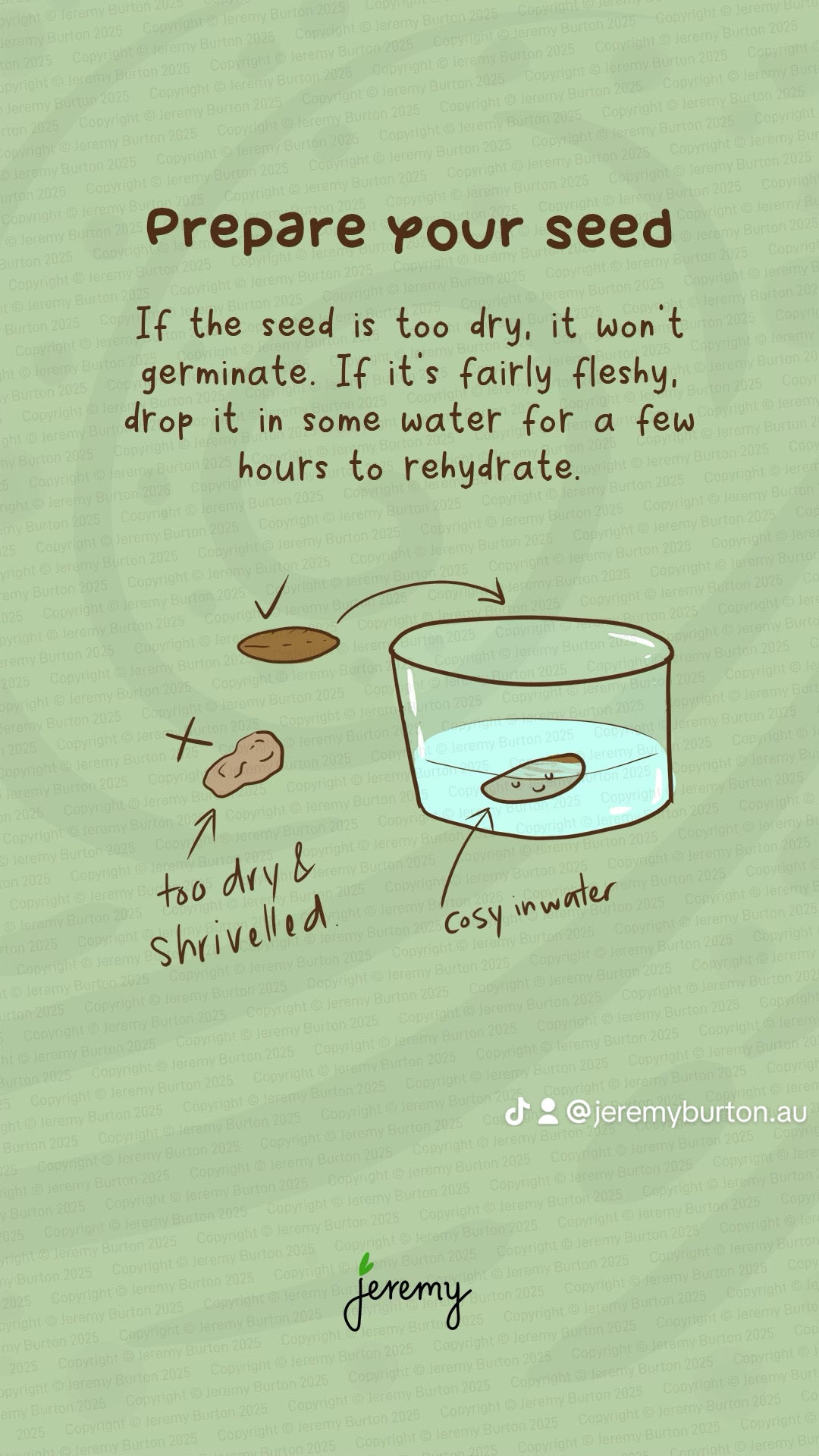
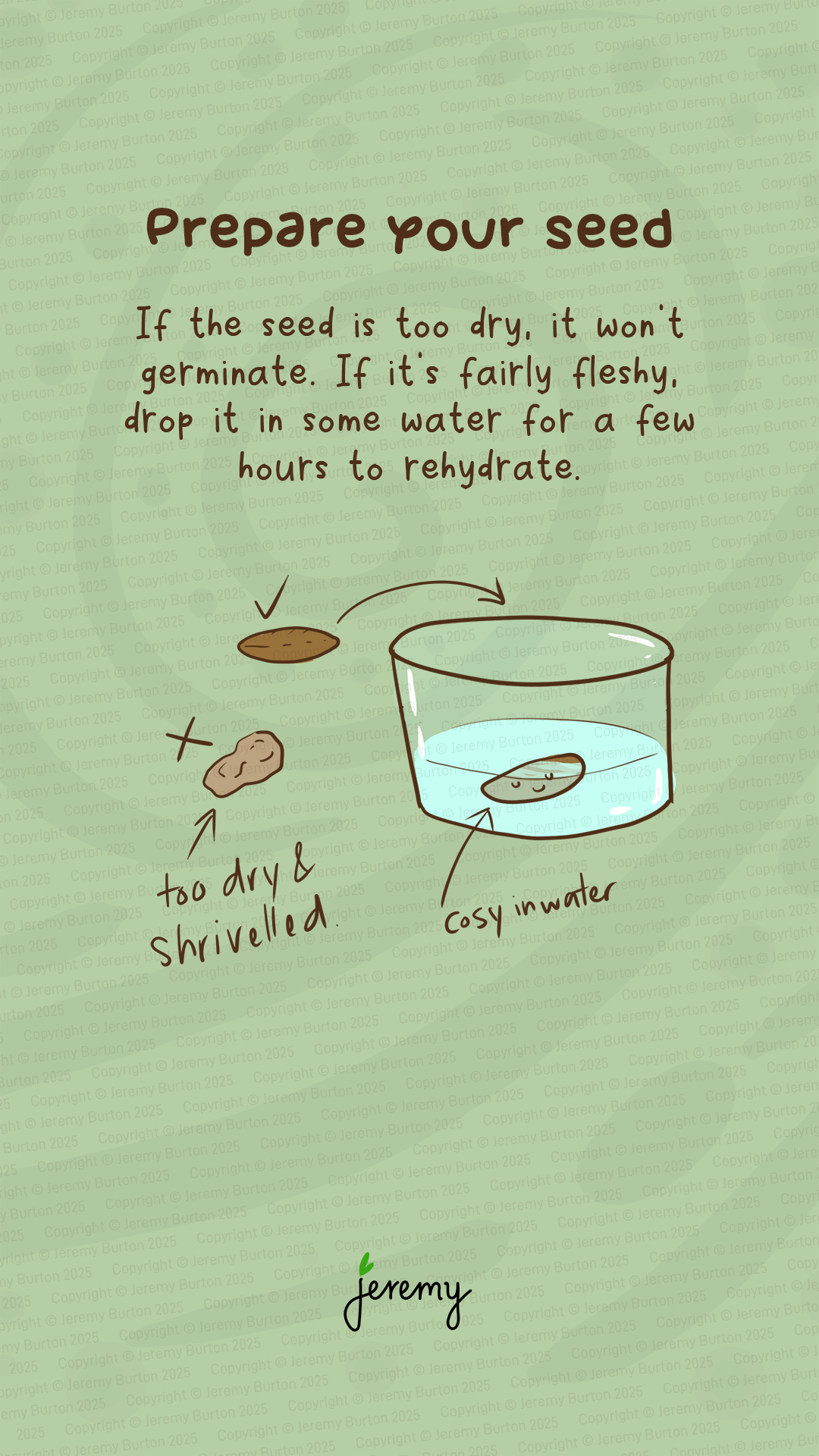
    I include my logo for brand purposes, not necessary but that’s my choice at the moment. The main watermark is a full overlay of text across the image. It’s a 9% opacity layer in Photoshop and I reduce it as much as I can to avoid disrupting the experience. Actually now that I take notice of it, it’s pretty visible in this image! I am  testing making it even more transparent and less visible in more recent work. 

    My why

    1. Copycat sites – I do this because I’ve read too many stories of people having their work copied by automated copy systems like T*mu seems to have in place. I figure, why make it easy for them?
    2. Future plans – I don’t watermark my photographs and don’t see any need to do those. I can understand the need though if photography is your main trade. With my illustrations, I have multiple plans for and I really don’t want a T*mu or other person enabled to copycat the whole lot really easily. Not that my work is so awesome it would be, but it’s a lot of time invested and future plans for the work are not yet realised. 

    That’s my why, you may agree or disagree. 

    A quick overlay method

    You can easily add a text or logo overlay in most image editors. Just add a layer over the top and adjust the transparency, placement and size. I use Photoshop and it’s a simple process. My templates have the layers all prepared. Btw some people recommend adding in the word copyright and the © symbol. Although I have it in my watermark overlay, it’s not necessary in my opinion. As creator you have copyright by default if it’s your own work. 

    Meta data

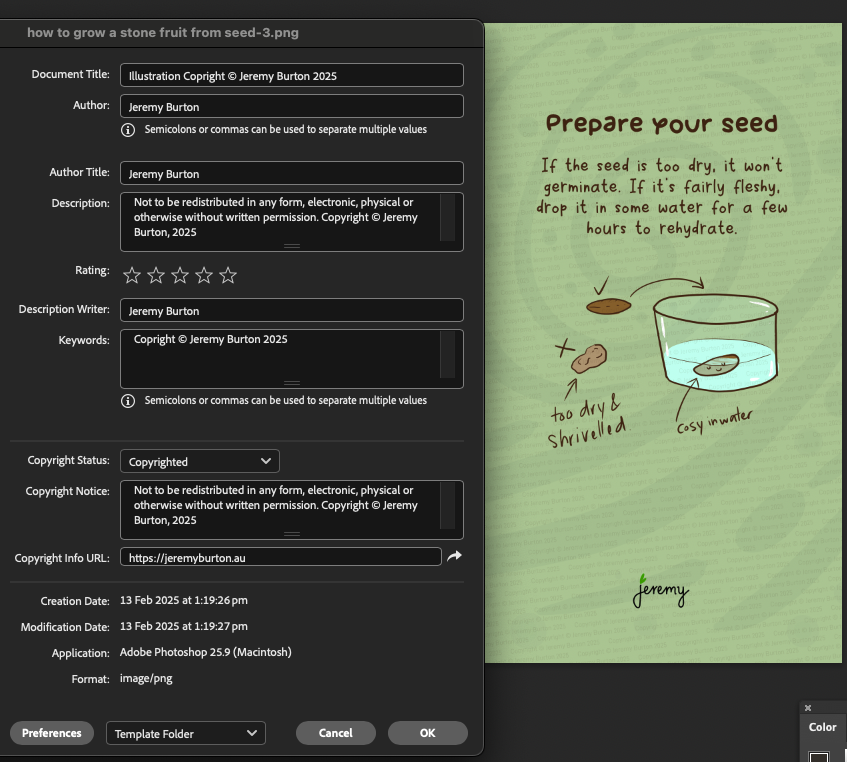
    You can also add meta data to your images and videos, tools make it easy. Here’s how I very wrongly fill out my file info in Photoshop. I don’t really worry about it that much, it’s just a template I made and it’ll do! 🙂 

    Why add meta data? Well, it’s just another way to add digital copyright information to your work. It’s not visible, rather saved within the file. 

    The meta data is saved with the file, but as you may be aware, meta data is easily removed and for me this is just one more step that’s basically automated (including spelling errors lol, just noticed).

    Threads seems to strip out all of the meta data on upload (from memory Facebook does too). If you don’t add in an ALT description when you upload, Threads automatically adds an AI generated description into the HTML. 

    Why in 2025, the social platforms still do not maintain the meta data of our content, is beyond me.

    Testing AI platforms to remove my watermark

    I decided to test out some of the AI systems available to reverse engineer my watermarking and see how easy or difficult it was to remove, just out of interest. 

    I started by chatting with meta.ai that advised me on the platforms to test, btw  (funnily enough!) it was a lot more generous with the suggestions after I explained that I was testing my own watermarking. How smart are you. 

    I tested:

    • meta.ai (for advice only)
    • Inpaint
    • Remini
    • Watermarkremover
    • Midjourney

    Here are some of the test results, and I’m happy to report – they were all hopeless at removing the full image text overlay. I think they would easily remove a logo or single line of white text though. There is AI designed specifically for removing easily identifiable objects in an image / video.

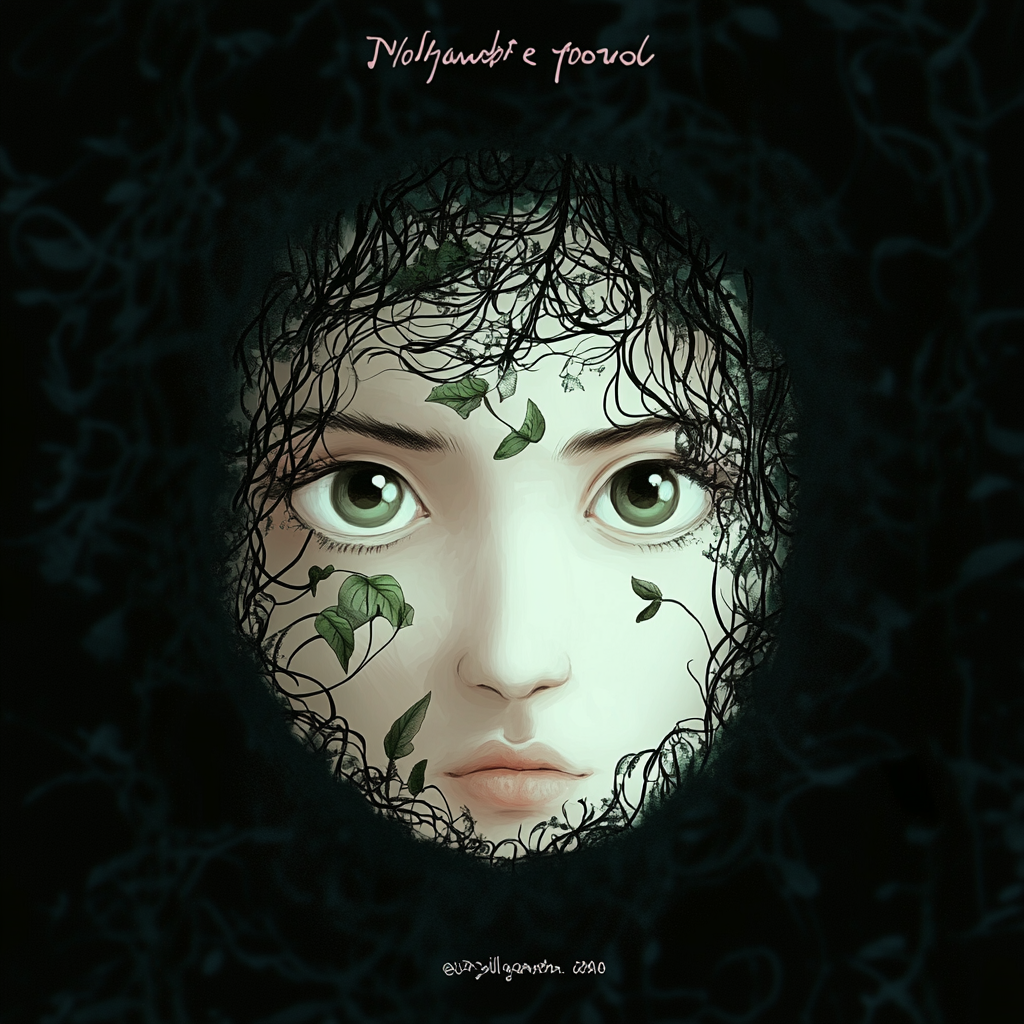
    Midjourney AI btw, was just waaaay too creative, lol. Like this is awesome but … maybe my prompts suck?

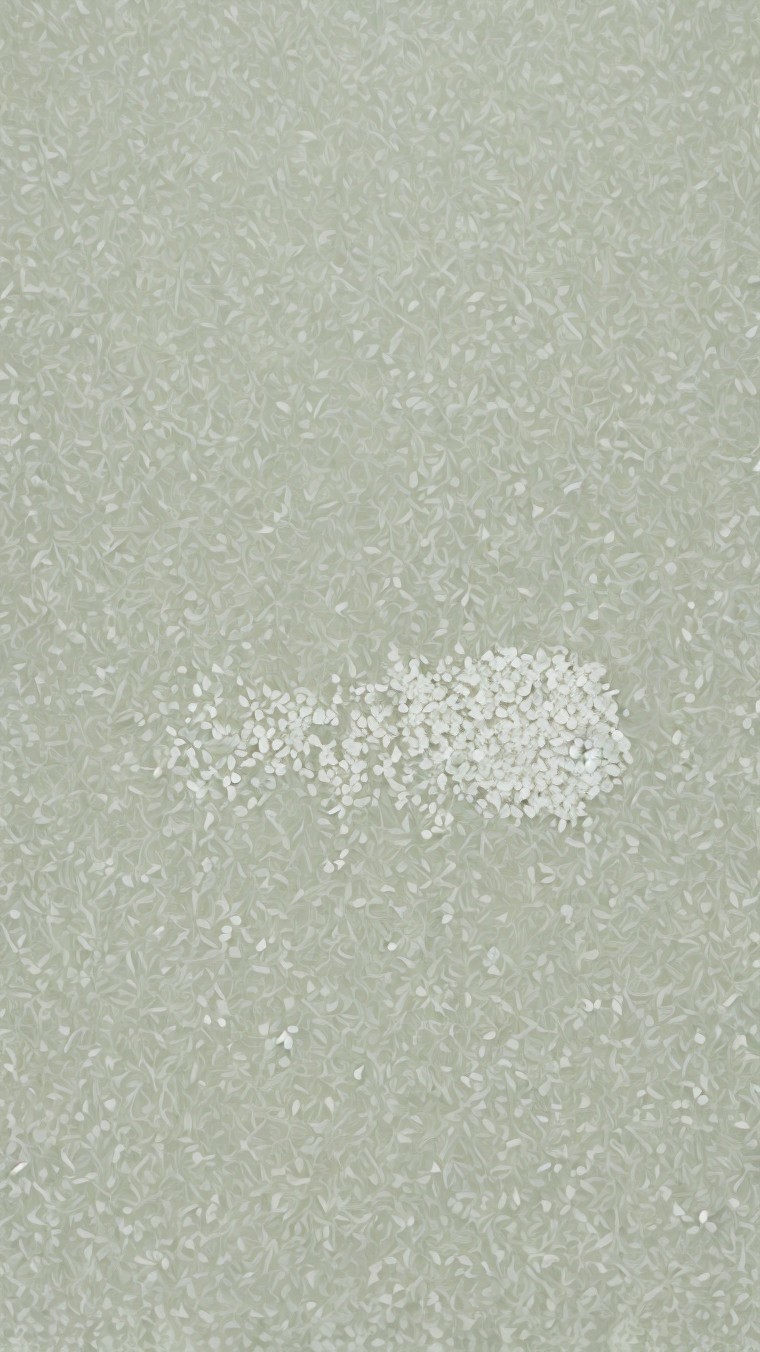
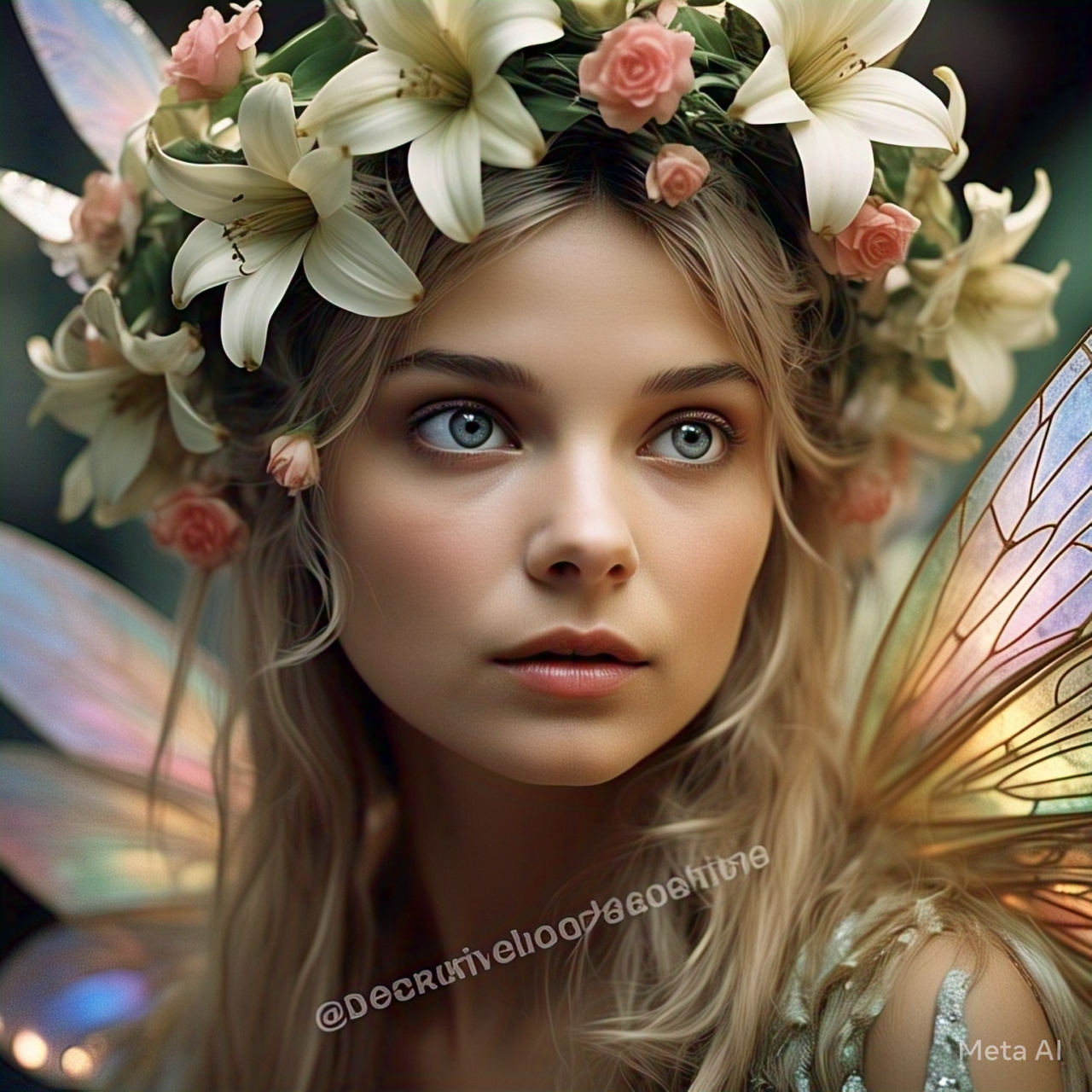
    Out of curiosity, I asked meta.ai to watermark a generated image just to see what it did. Even when I badgered it to cover the entire image, all it would produce is this kind of a result.

    Redbubble

    Redbubble has an automated system that does this, puts crosses or your name through the images. It’s pretty robust, although I was still able to get a 3000 x 3000 pixel sized image out of it (this is my image from my Redbubble account btw), that would be easy-ish to steal and repurpose. 

    Alternative options

    There are lots of alternative ways to do this and here are a few:

    • As others have suggested elsewhere, you can partially shoot your art and exclude critical parts
    • Capture it from obscure angles
    • Use interesting lighting
    • Put yourself in front of the art

    Isn’t there anything better? 

    There is an initiative that larger organisations have joined to make a batter way to track content in an age of AI-gen. Check out the Content Authenticity Initiative. It seems a real problem at the moment where some individuals & companies are taking people’s art, putting it through AI and then reselling it as their own (theft). 

    You can join the initiative as a supporting member here – https://contentauthenticity.org/membership/ 

    It’d be great to have some kind of tracking and authenticity implemented by the AI platform owners. 

    So what’s the call, should I watermark my digital artwork?

    Your call. I choose to use the function on YouTube, it was so easy and saves me having to do anything manually. 

    In any imagery I create that is to be productised (made into books, merch etc), I use the subtle background text option that seems to win against the AI, for now! 

    The cute little handle tag in the middle of the image / video is okay too. It’s more like a signature, but it’s very easy to remove though. 

    I don’t mind a subtle watermark. Let me know your thoughts, do you watermark your work? 

    Join me on Threads for more or subscribe at the bottom of the page for these posts in your email.
  • Sketching ideas – the ideation process

    Sketching ideas – the ideation process

    This is the process that flows for me, and varying this is often a good thing. I grab paper and pencil and draw everything out on a page, fill it and keep going until the ideas run out. 

    Then I work on refinement, cleaning up the sketches, overdrawing, redrawing until I get the images I’m after. I often find during this stage that new ideas pop up and a million variations can be made, so it’s important to stay focussed a little. The wandering imagination is great but needs a little guidance. 

    I use A4 sketchpads, get them from Officeworks or similar at a reasonable price. Because I sketch everyday, this is a good size for me. I’ll often take the A5 though on the road because it’s more compact for travel.

    Depending on how I’m feeling, I’ll switch up between a hard HB pencil or a softer 2B. Sometimes it’s nice to sketch quick and dark. The HB is great for linework though. Then I go over it with a permanent fineliner. There’s many days where I just use the finalise too, it’s saves time and with confidence it gets easier. 

    What have you sketched today? 

  • How to feature the newest article from multiple blogs in Shopify

    How to feature the newest article from multiple blogs in Shopify

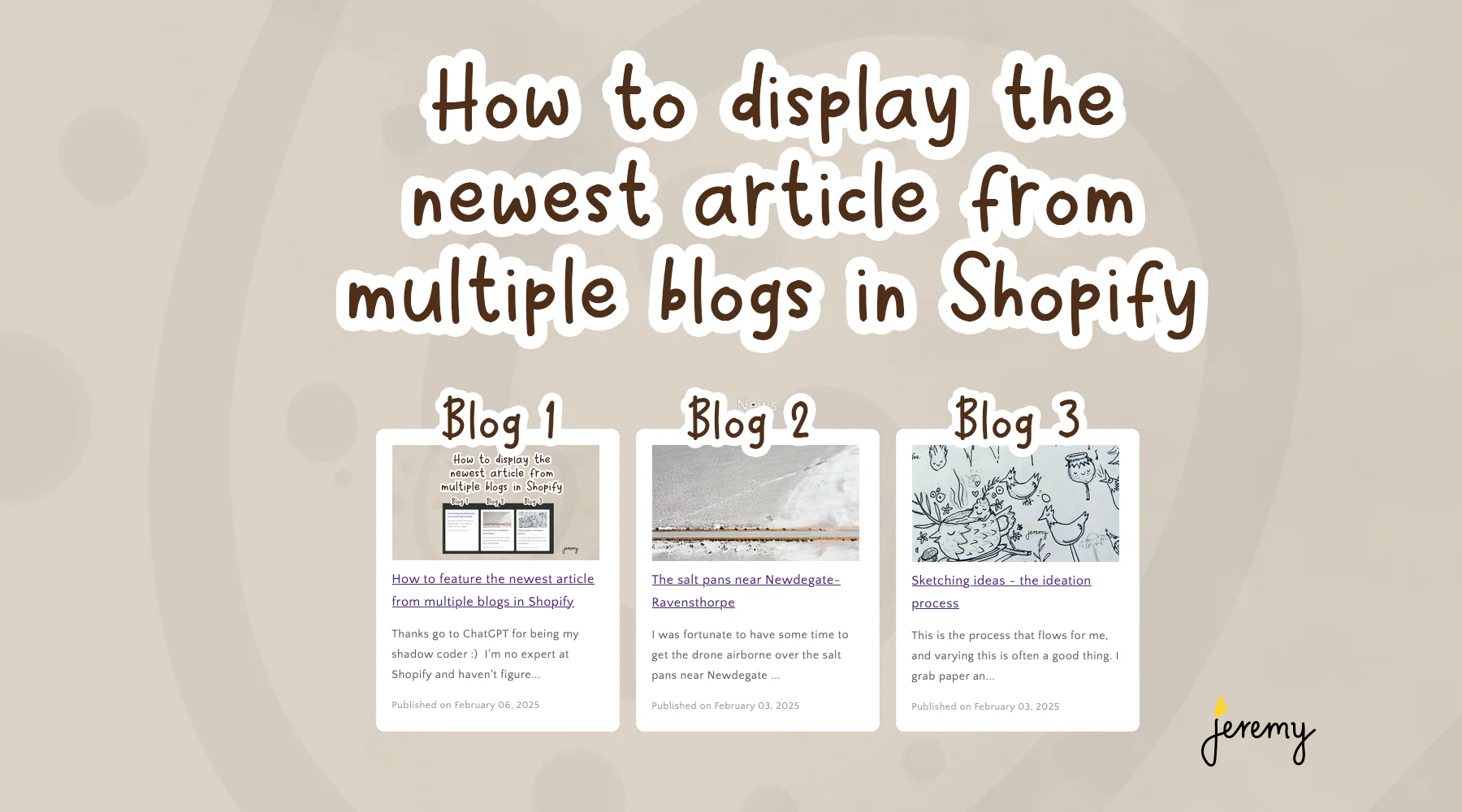
    If you’re looking for a way to display multiple blog articles on your Shopify site, this article is for you. Thanks go to ChatGPT for being my shadow coder 🙂 I haven’t figured out how to add a new section template and get it to be available as a option, but with custom code this setup works. 

    There’s more formatting work to be done, but someone smarter than me might be able to finish this off so it styles the same as the standard blog feature section. 

    Instructions are: 

    • Copy this code below
    • Edit the blog names (in the code below) to match your blog names. I’ve set them to blogname-1,blogname-2,blogname-3 in the code below. Replace them with yours
    • Edit your Theme
    • Add a custom code object and
    • Paste in your code and save

    After doing the above, you should have the first article from each blog displaying on your Shopify site. Enjoy!

    P.S. I got a little help from an AI friend to clean up the code. 

    {{ 'component-slider.css' | asset_url | stylesheet_tag }}
    {{ 'component-card.css' | asset_url | stylesheet_tag }}
    {{ 'component-article-card.css' | asset_url | stylesheet_tag }}
    {{ 'section-featured-blog.css' | asset_url | stylesheet_tag }}

    {%- style -%}
    .section-{{ section.id }}-padding {
      padding-top: {{ section.settings.padding_top | times: 0.75 | round: 0 }}px;
      padding-bottom: {{ section.settings.padding_bottom | times: 0.75 | round: 0 }}px;
    }
    @media screen and (min-width: 750px) {
      .section-{{ section.id }}-padding {
        padding-top: {{ section.settings.padding_top }}px;
        padding-bottom: {{ section.settings.padding_bottom }}px;
      }
    }
    {%- endstyle -%}

    {% assign blog_handles = 'news,photography,art' | split: ',' %}

    <style>
    .featured-blogs {
      padding: 10px;
      border-radius: 8px;
      text-align: center;
    }
    .featured-blogs h2 {
      font-size: 28px;
      margin-bottom: 20px;
      color: #333;
    }
    .featured-blogs ul {
      list-style: none;
      padding: 0;
      display: flex;
      flex-wrap: wrap;
      justify-content: center;
      gap: 20px;
    }
    .featured-blogs li {
      background: white;
      border-radius: 8px;
      box-shadow: 0 4px 8px rgba(0, 0, 0, 0.1);
      padding: 20px;
      width: 300px;
      text-align: left;
      transition: transform 0.2s ease-in-out;
    }
    .featured-blogs li:hover {
      transform: translateY(-5px);
    }
    .featured-blogs h3 {
      font-size: 20px;
      margin-bottom: 10px;
    }
    .featured-blogs h3 a {
      text-decoration: none;
      color: #0073e6;
    }
    .featured-blogs p {
      font-size: 14px;
      color: #666;
    }
    .featured-blogs small {
      display: block;
      margin-top: 10px;
      font-size: 12px;
      color: #999;
    }
    </style>

    <div class="featured-blogs section-{{ section.id }}-padding">
      <ul>
        {% for handle in blog_handles %}
          {% assign blog = blogs[handle] %}
          {% if blog.articles.size > 0 %}
            {% assign article = blog.articles.first %}
            <li>
              {% if article.image %}
                <a href="{{ article.url }}">
                  <img
                    src="{{ article.image | img_url: '255x' }}"
                    alt="{{ article.title }}"
                    class="motion-reduce"
                    loading="lazy"
                  >
                </a>
              {% else %}
                <a href="{{ article.url }}">
                  <img
                    src="{{ 'placeholder-image.jpg' | asset_url }}"
                    alt="Placeholder image"
                    class="motion-reduce"
                    loading="lazy"
                  >
                </a>
              {% endif %}
              <h3><a href="{{ article.url }}">{{ article.title }}</a></h3>
              <p>{{ article.excerpt_or_content | strip_html | truncate: 100 }}</p>
              <small>Published on {{ article.published_at | date: '%B %d, %Y' }}</small>
            </li>
          {% endif %}
        {% endfor %}
      </ul>
    </div>
    ---

    If you want just a list of the top 5 articles in an UL / LI list, here it is:

    ---
    {% assign blog_handles = 'news,photography,art' | split: ',' %}
    {% assign article_count = 0 %}
    {% assign max_articles = 5 %}

    <div class="featured-blogs section-{{ section.id }}-padding">
      <h2>Latest Articles</h2>
      <ul>
        {% for handle in blog_handles %}
          {% assign blog = blogs[handle] %}
          {% for article in blog.articles %}
            <li>
              <a href="{{ article.url }}">{{ article.title }}</a>
            </li>
            {% assign article_count = article_count | plus: 1 %}
            {% if article_count >= max_articles %}
              {% break %}
            {% endif %}
          {% endfor %}
          {% if article_count >= max_articles %}
            {% break %}
          {% endif %}
        {% endfor %}
      </ul>
    </div>

    ----

    Hope you found this useful! Leave a comment if you have a feedback. 

  • The Instagram grid change and why it’ll happen again

    The Instagram grid change and why it’ll happen again

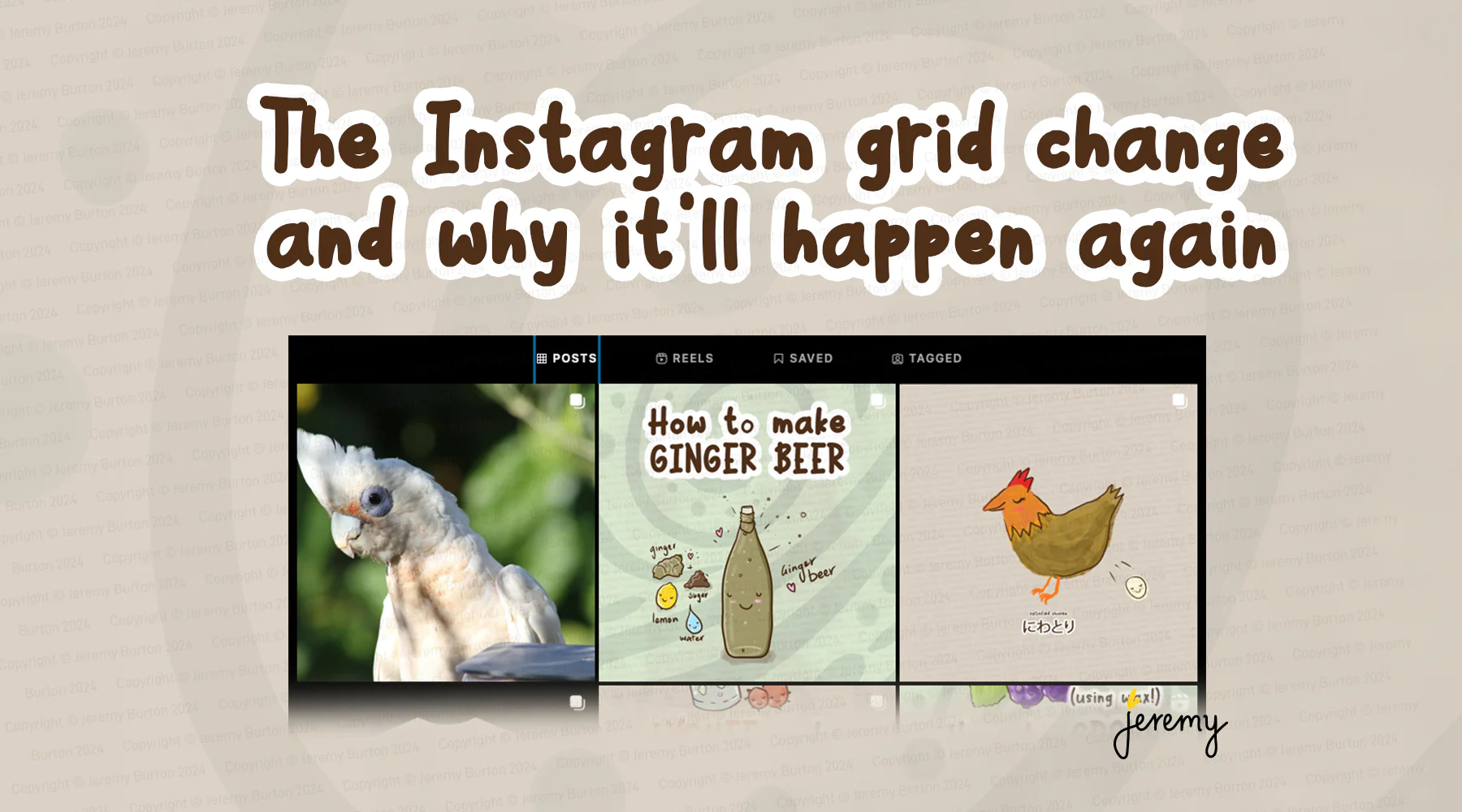
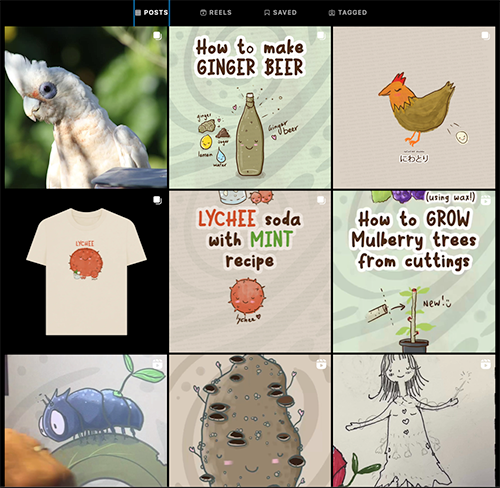
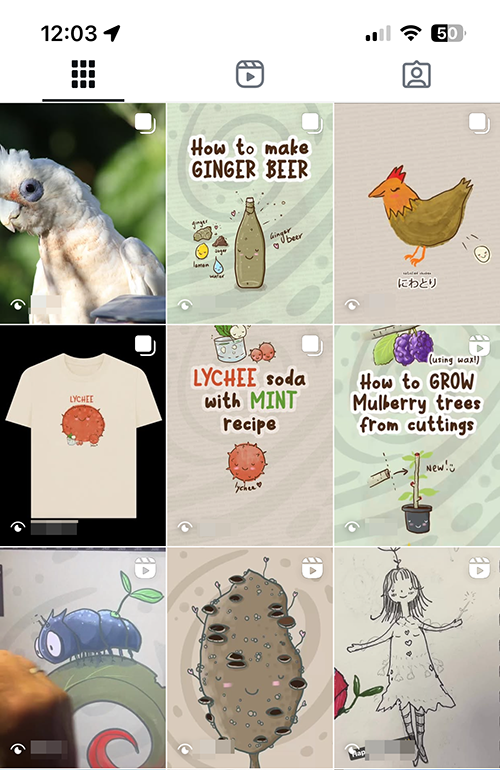
    Instagram changed the layout of the post grid from square to a 3:4 aspect ratio format on mobile. It remains the same for now in the web browser. Note that the reels tab was already this new ratio. 

    The impact is that anyone who designed their content to fit Insta’s square format, now has a messy looking profile / grid. It’s clear that the platforms will continually make changes to fit whatever drives engagement and creatives are at the tail end of those changes. 

    Insta’s square grid has always been an outlier, a legacy layout from the early Insta days and never really worked well on mobile devices that have the 16:9 aspect ratio. 16:9 is an international standard and mobile cameras shoot in that ratio by default. 

    Here’s what the grid looks like in the browser.

    And on mobile.

    The learning & the fediverse

    The learning here is to create work in a format / ratio that suits your end game and also caters a little for the future, not for the platform. 

    I create a lot of my images at 5-6000 pixels across. It’s enough for most purposes and allows the work to be scaled down or cropped easily. If you’re a Redbubble user, you’ll be familiar with their one upload of the 6000 pixel upload that then generates all of the images for their various product merchandise. 

    The fediverse is Meta‘s answer to making all public online content and conversations available across all of its platforms that you give it permission to access. It’s important because what it means is that your online work / content is now (if you’ve turned it on) platform agnostic, Instagram users can see your threads content etc. 

    It’s not hard to imagine that the current platforms (Insta, Threads, Facebook etc) will all merge and become the Meta platform. So putting all of your effort into a single platform, is a risky long-term approach. 

    Federated content

    The little fediverse icon next to your name (the two circles, on Threads) is there indicating progress on federating your post to the network. It’s posting it to the  server infrastructure and running all sorts of algorithms for it to find the right audience across all of Meta’s platforms (Insta, Threads etc). 

    Own your house

    From a marketer’s perspective, the best choice is always to own your house. Make your website and post the content there and share it out to the platforms. if you have the time and resources, there are benefits and necessary cases to posting direct on platforms such as TikTok (doesn’t support URLs), but branding and actions should drive back to your home where possible. 

    For the wanderlust travellers and those who post mainly on Instagram or TikTok, tips would be to make sure you save drafts of all of your media on your phone or lappie. You never know what will happen in the future, like the grid change, and you’ll need to resize or repost. Save any edited content, reels etc that you’ve added copy, effects and all that editing time, onto your device. 

    Let me know if you have thoughts on the grid change and what’s coming in the future. 

    Follow me on these platforms for more: threadsInstaFacebookTikTok 

  • Jeremy Burton – Artist and Illustrator

    Jeremy Burton – Artist and Illustrator

    I’m an artist and illustrator working in Perth, Boorloo – Western Australia. 🌱 I illustrate a sustainable lifestyle of growing your own food, whimsical characters, books and also Shop✨ If you’re looking to hire an illustrator or collab, hit me up on socials or contact with your requirements.

    As a student I studied Fine Arts at Curtin University majoring in sculpture and lived in Melbourne and Kyoto and travelled a little. I spent over 10 years living in Japan in the game development industry. Eventually the winds brought me back to Perth and now I create in a small garden. 

    The ocean and our green world is what I dream about and you’ll find lots of that inspiration throughout my work. I try to produce everything in a sustainable way using available materials. I love to draw, paint and sculpt and use many mediums to illustrate, make bush crafted materials and produce gifts. 

    Thanks for checking my site out and I hope you find something that moves you. 

    Artwork

    Join me on these platforms for more: threadsInstaTikTok