
Your amazing colours
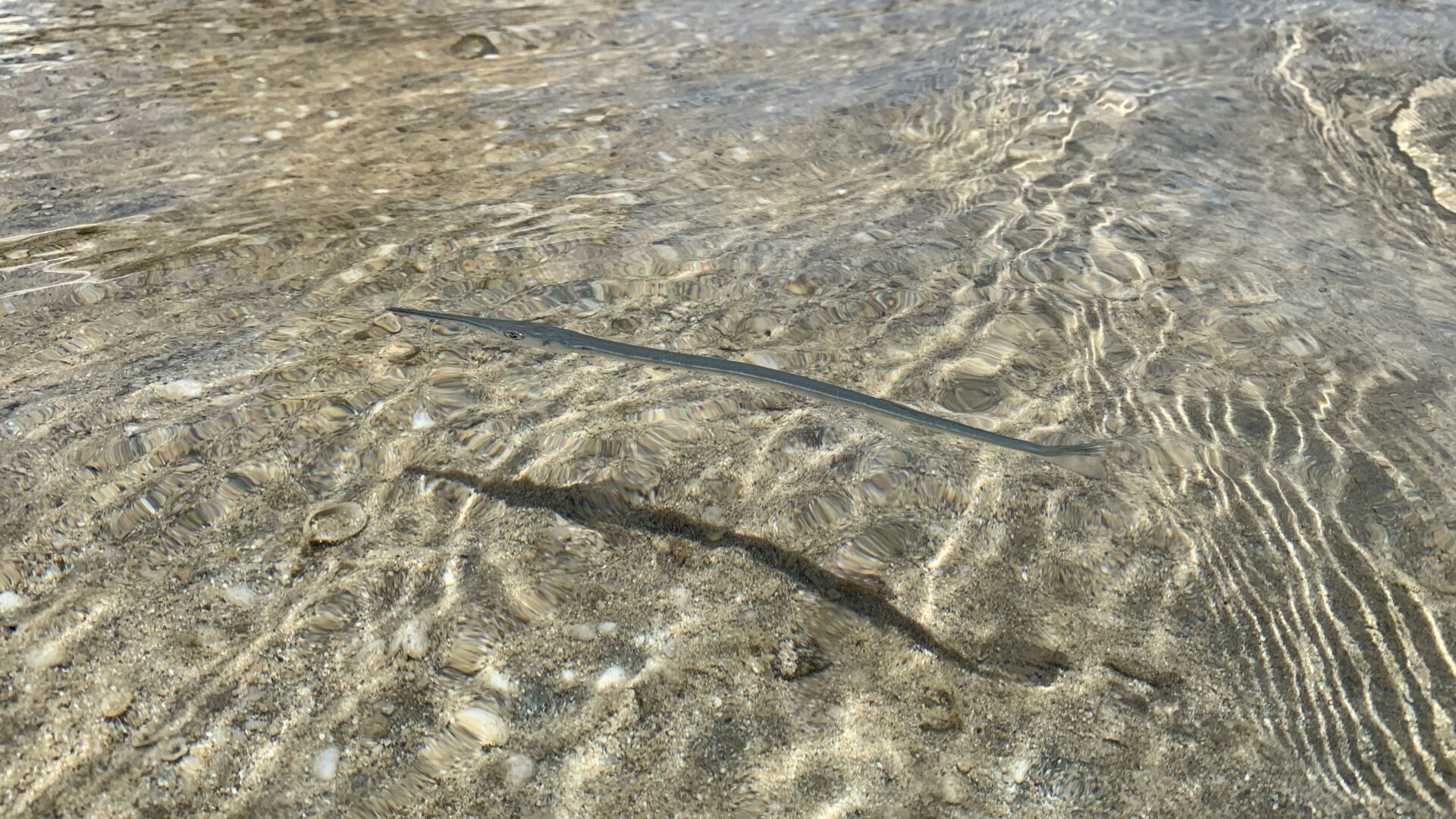
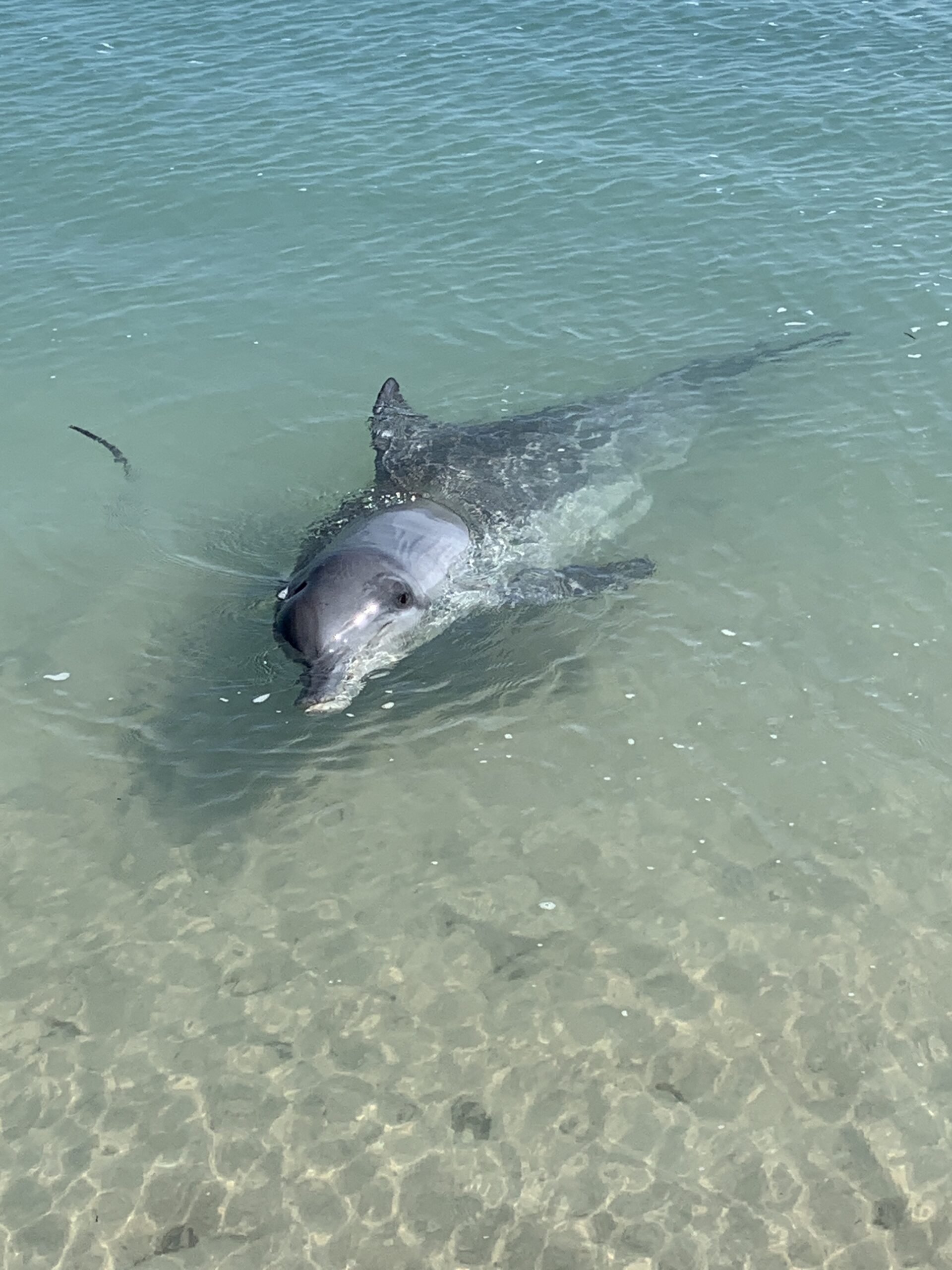
So many cute frens
The yummiest food
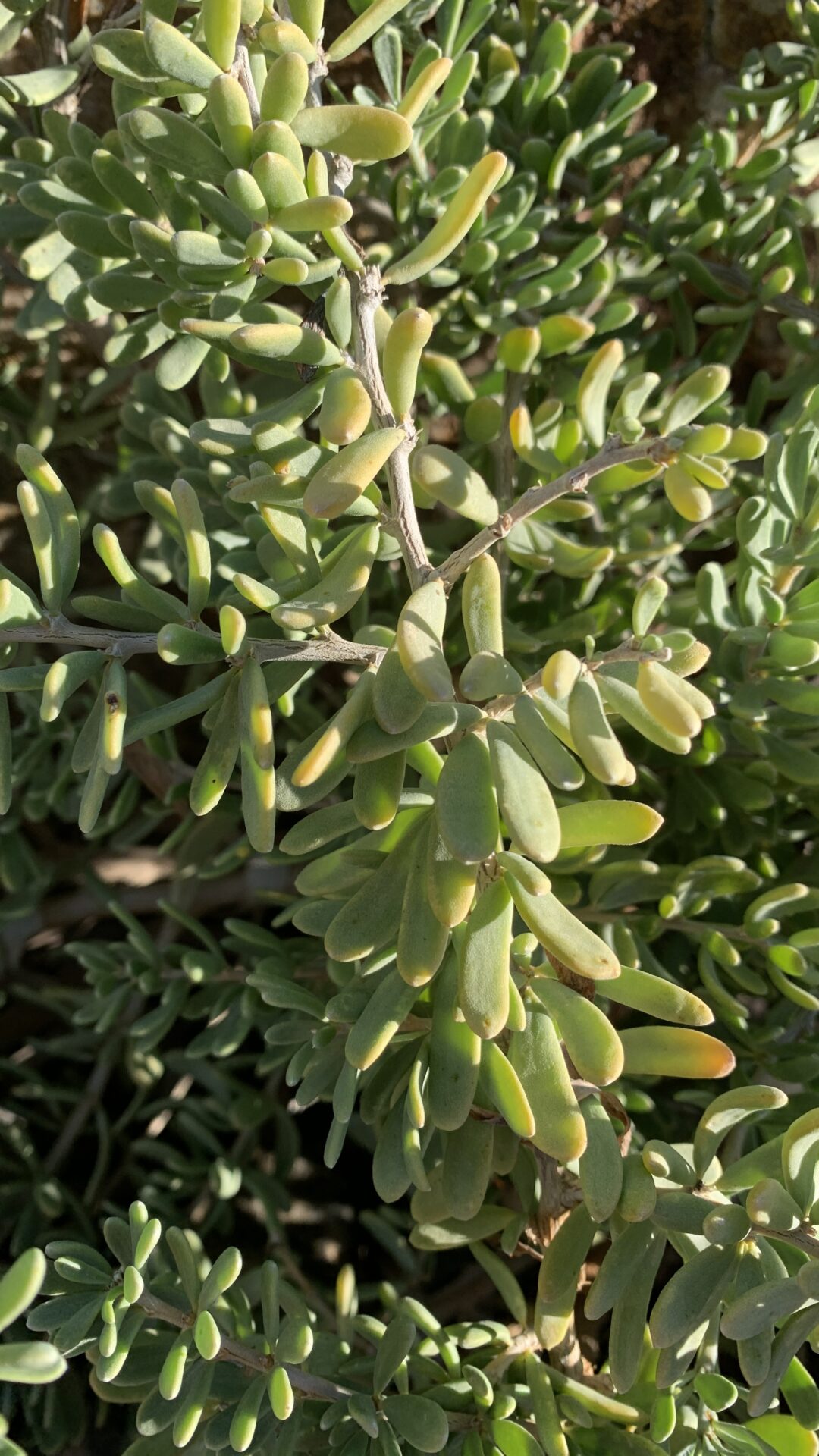
Amazing plant life
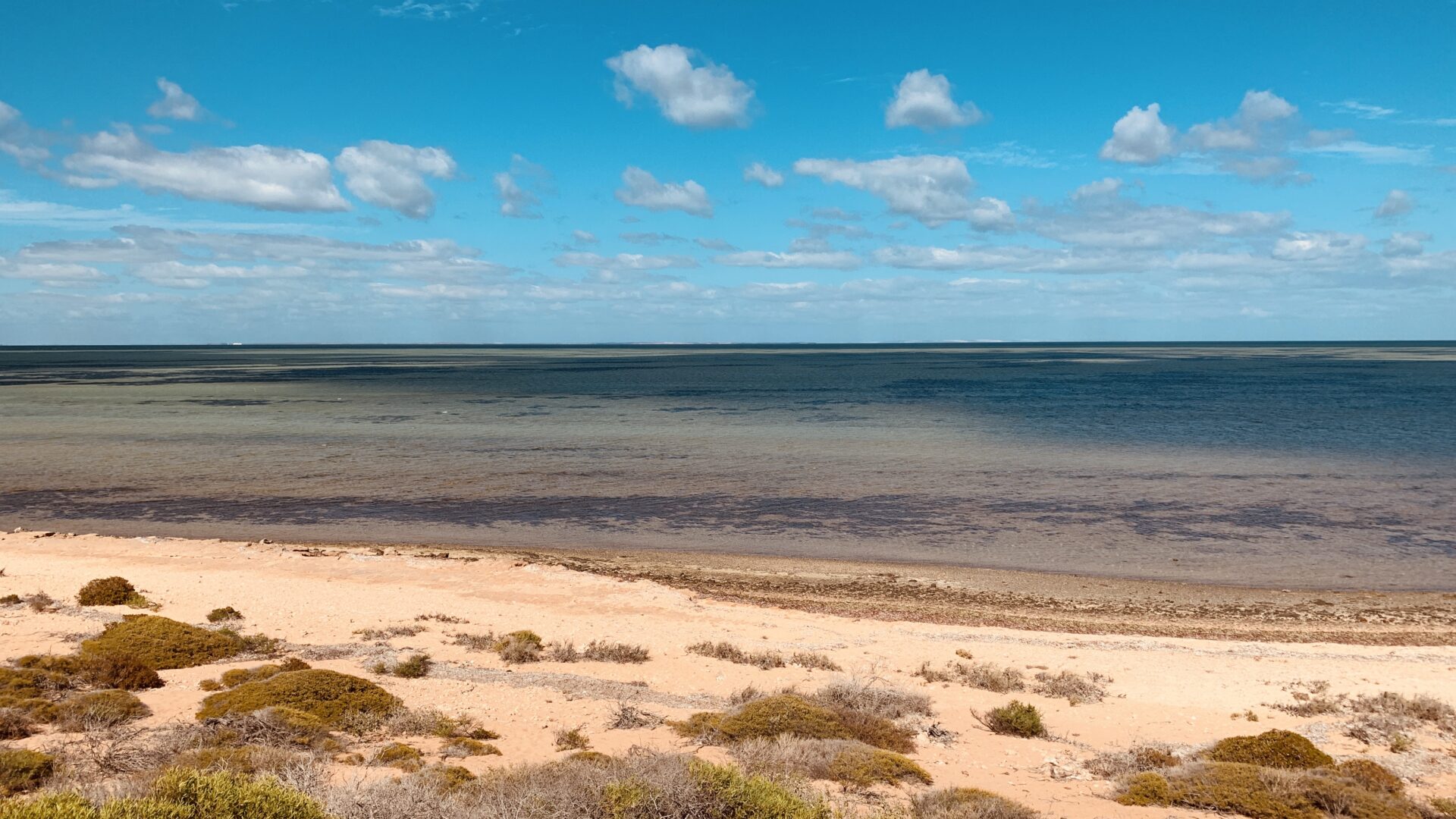
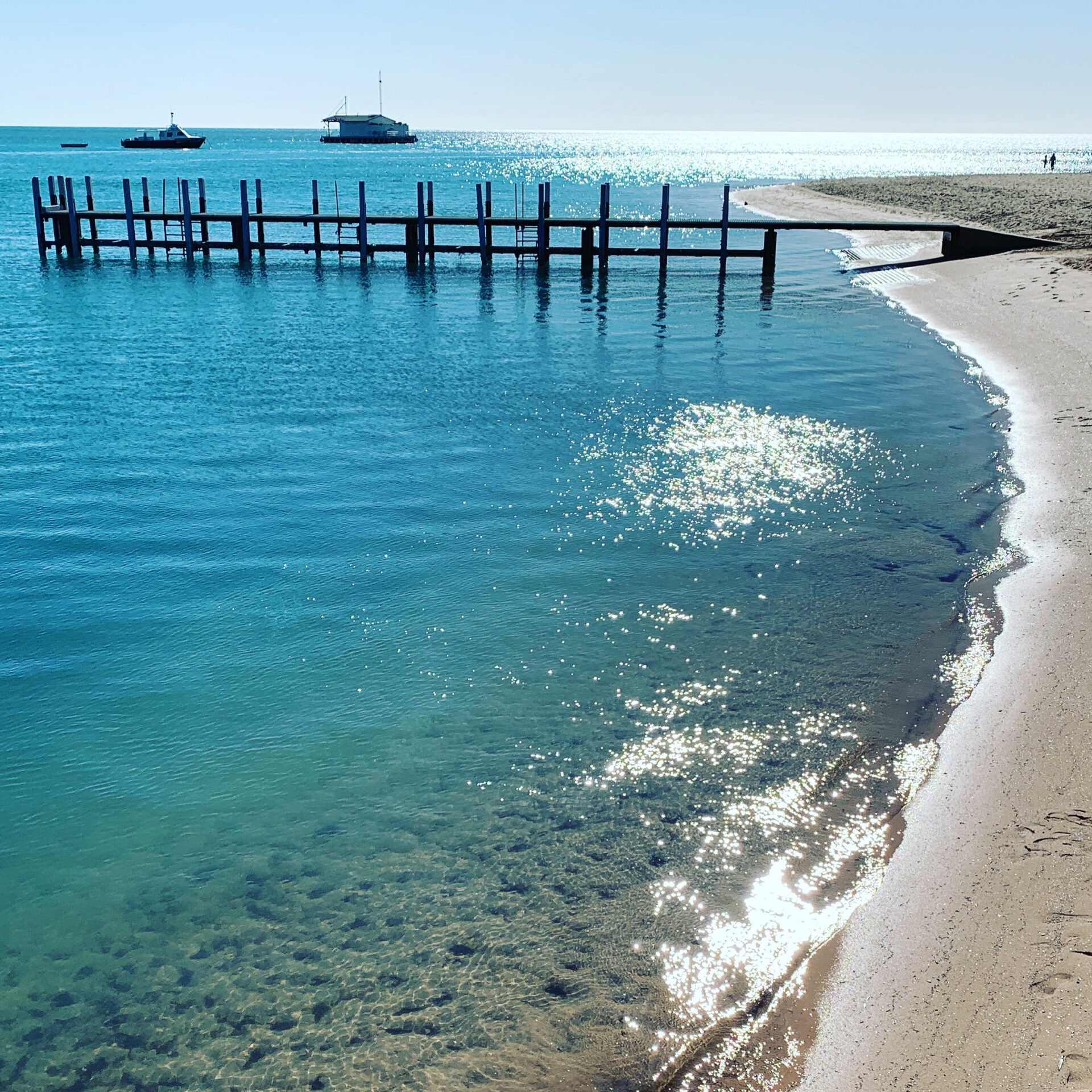
Your calming vibe
Salt and minerals that heal
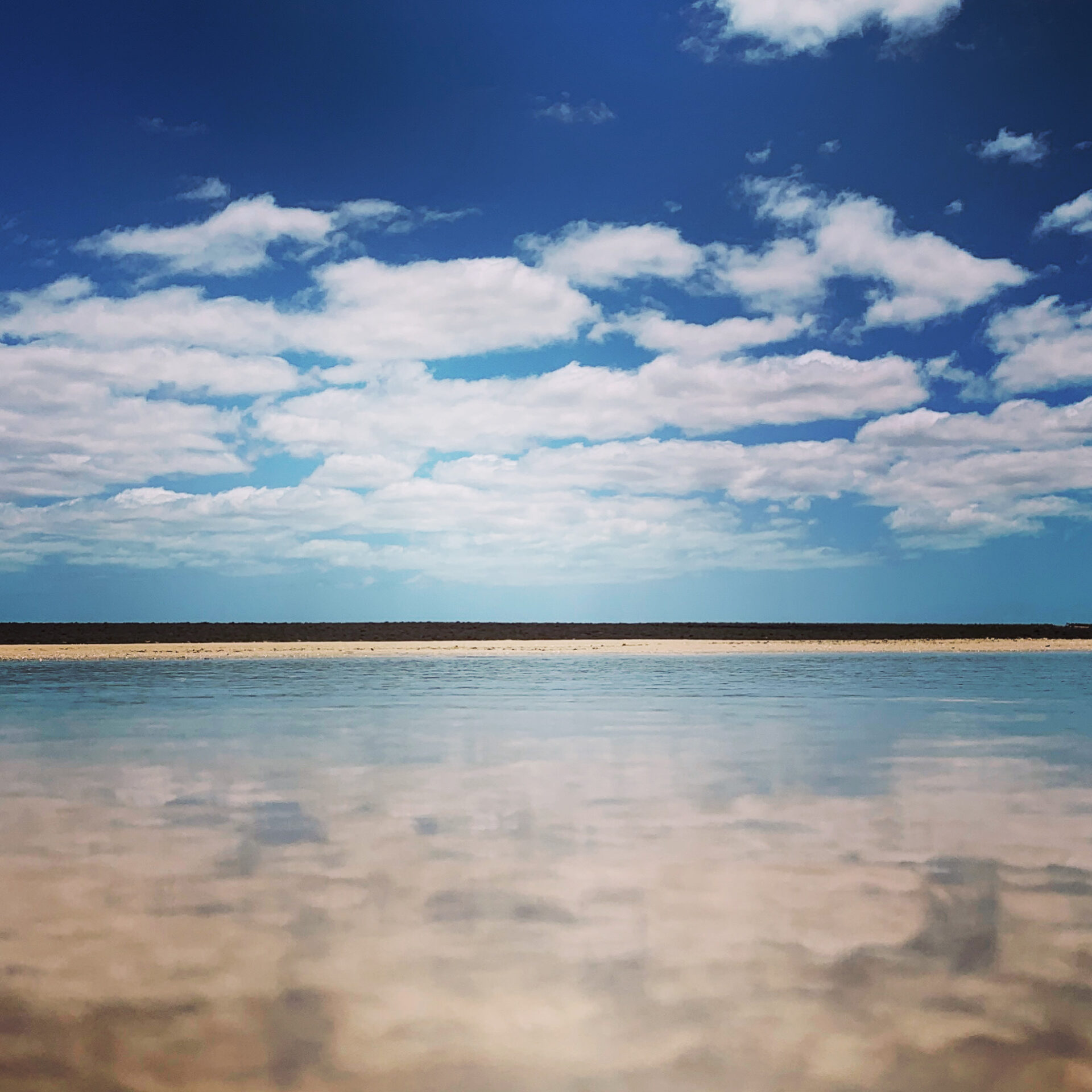
Sounds of peace
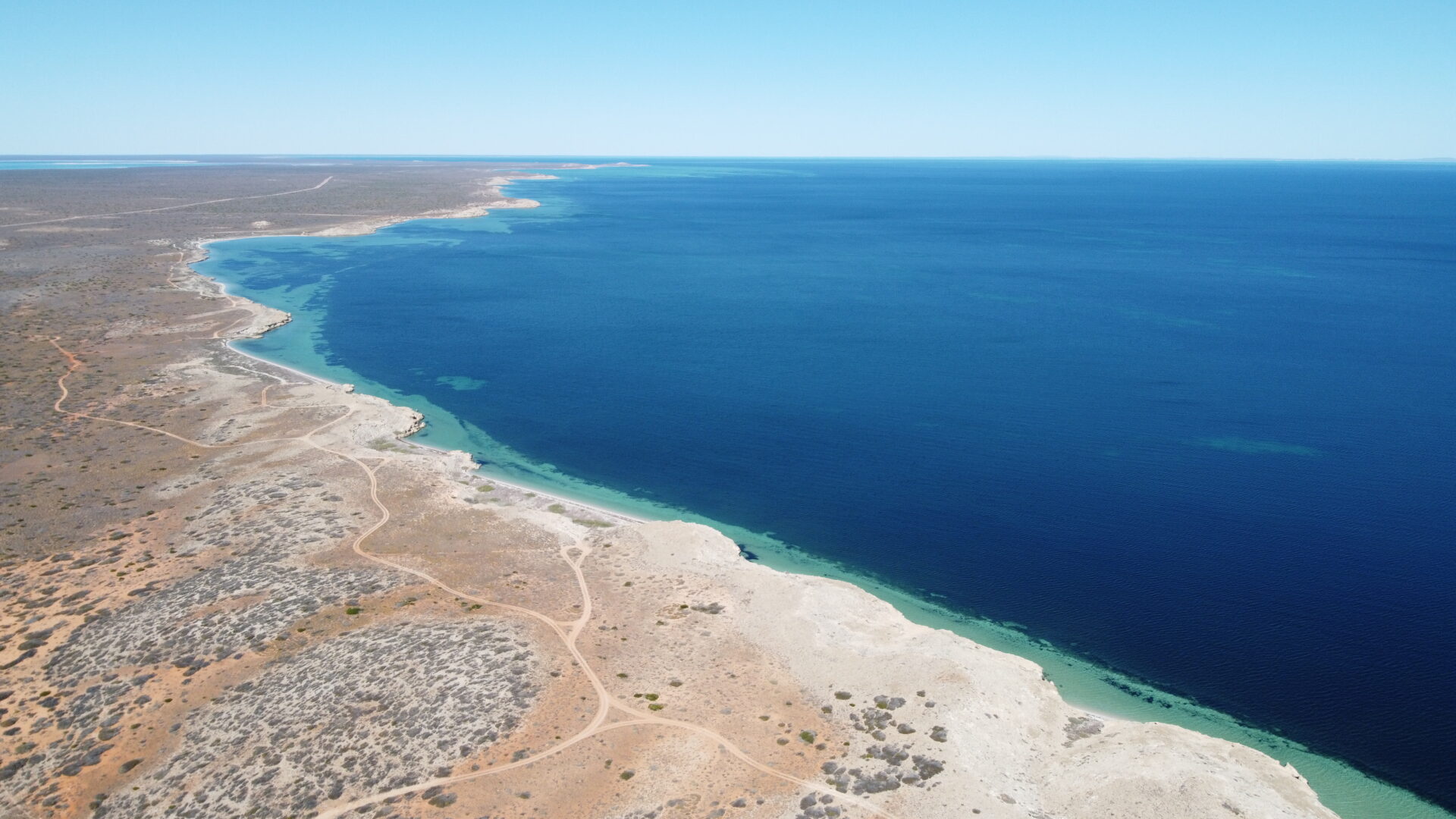
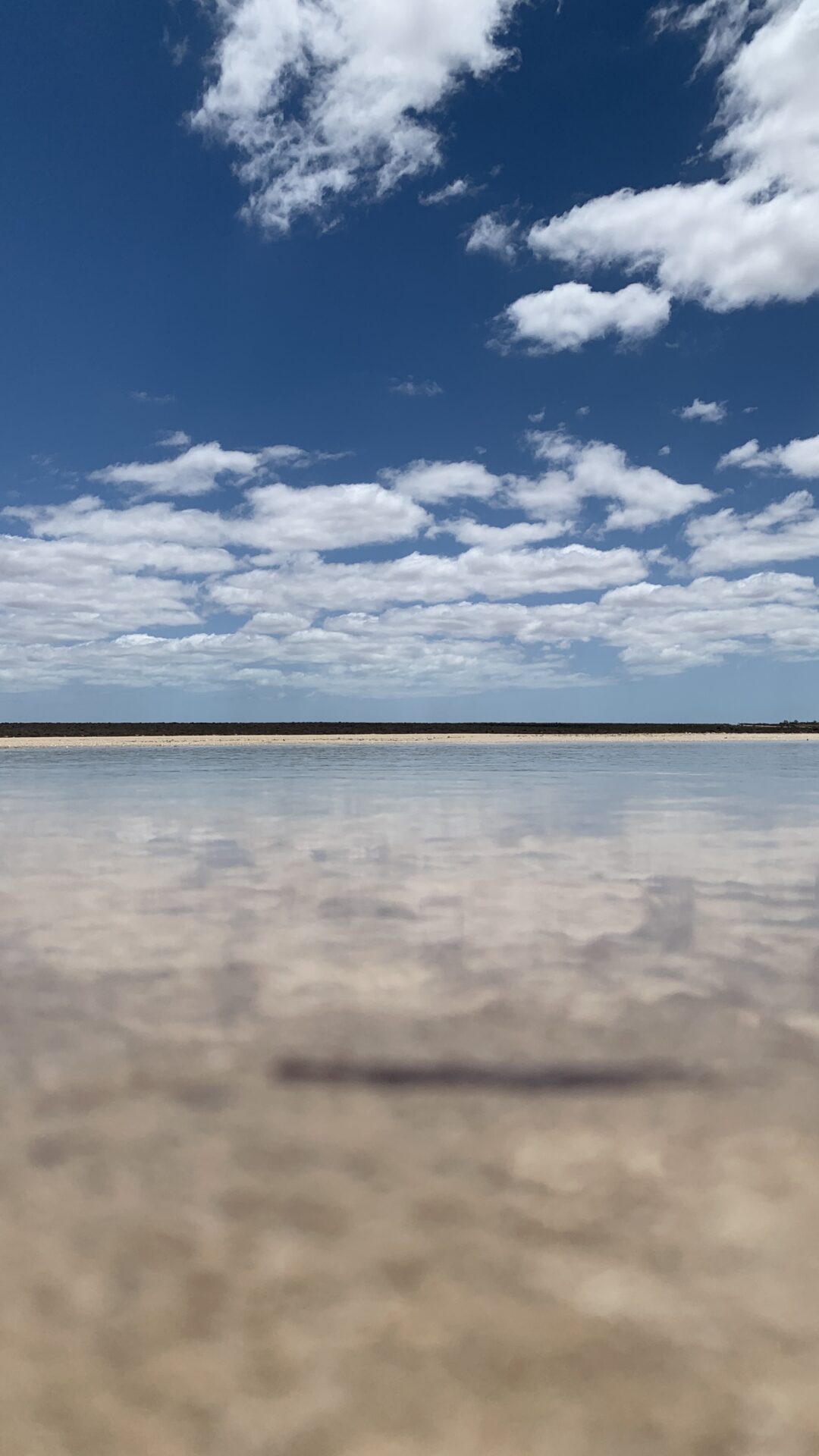
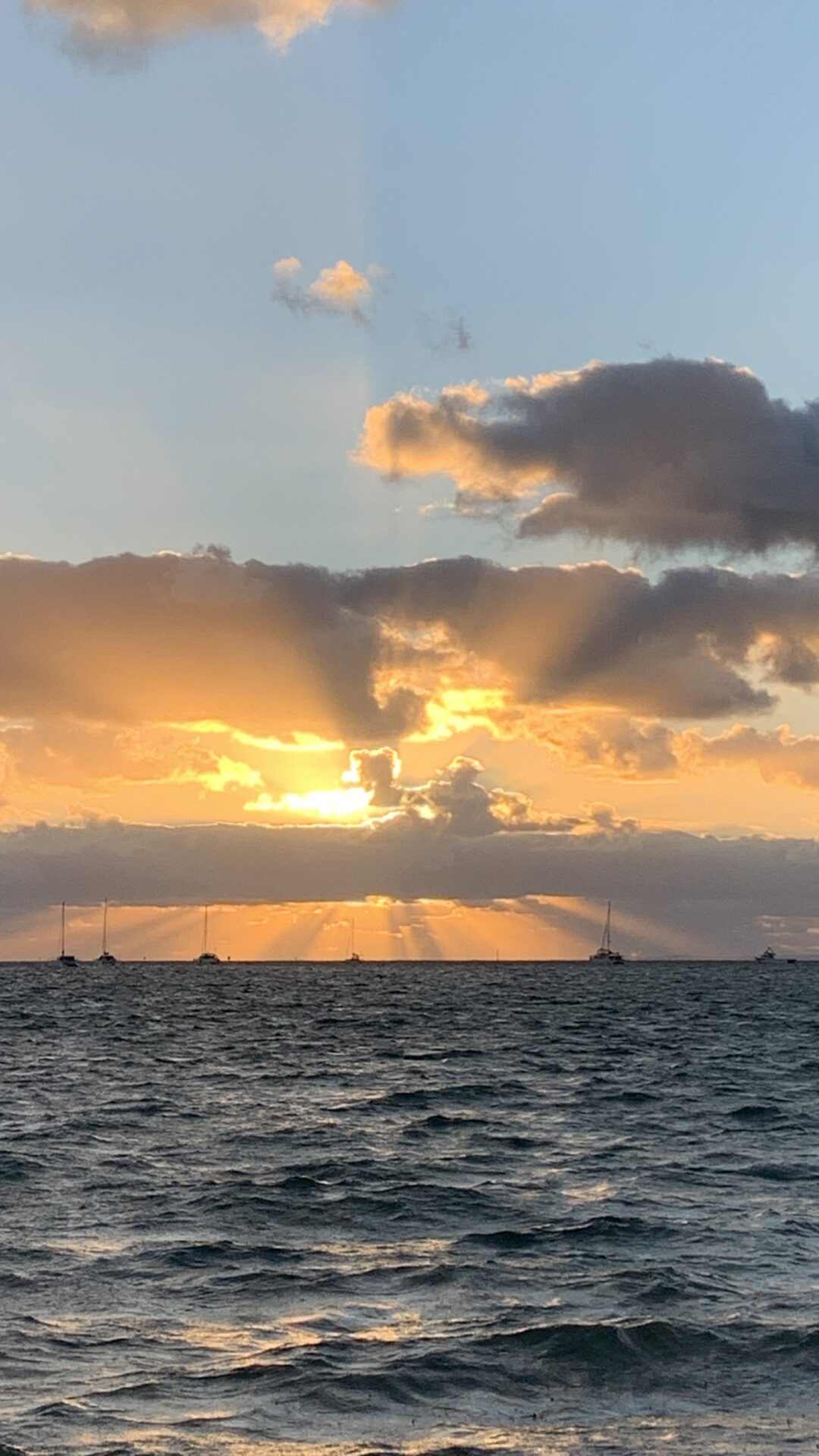
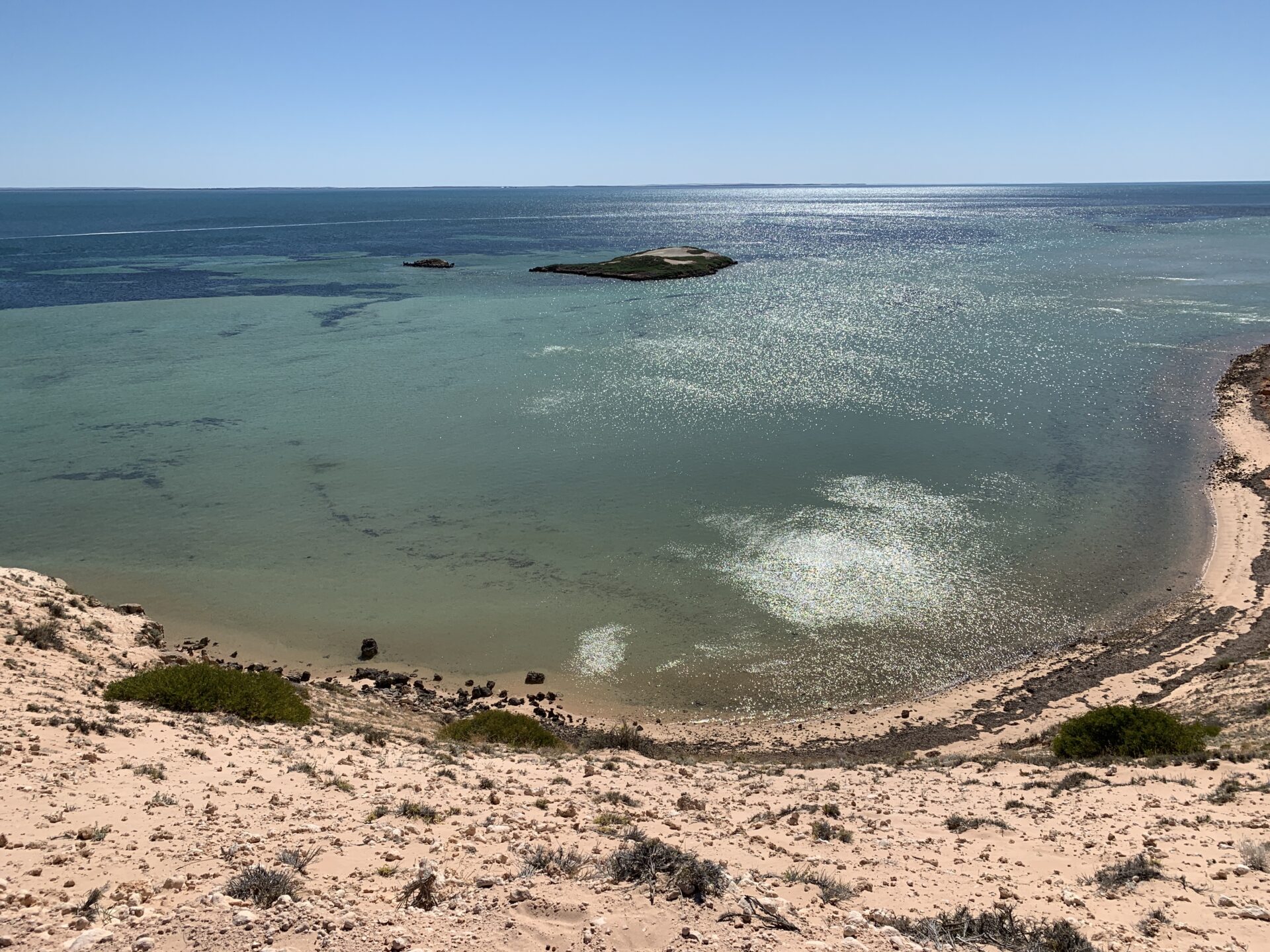
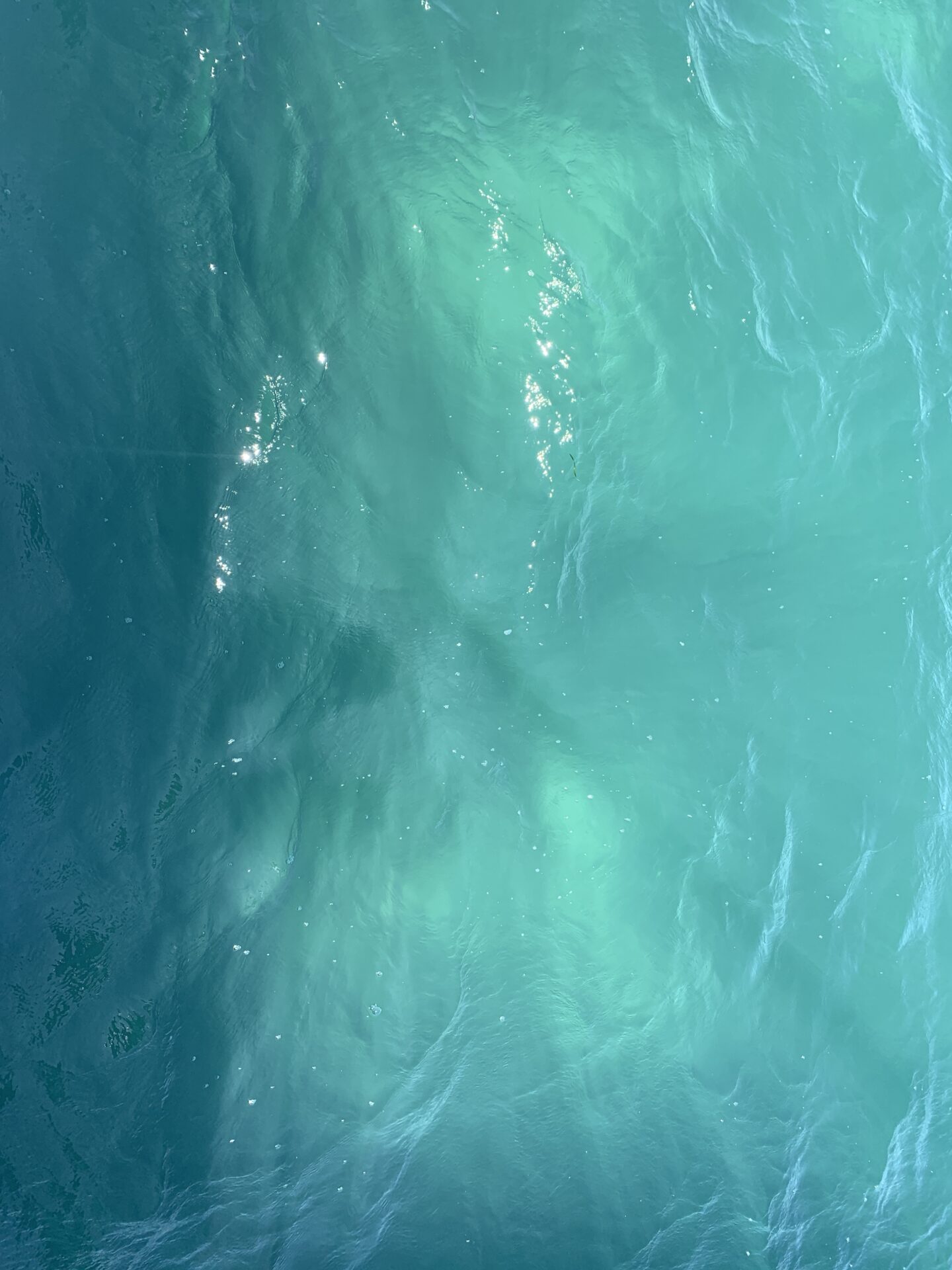
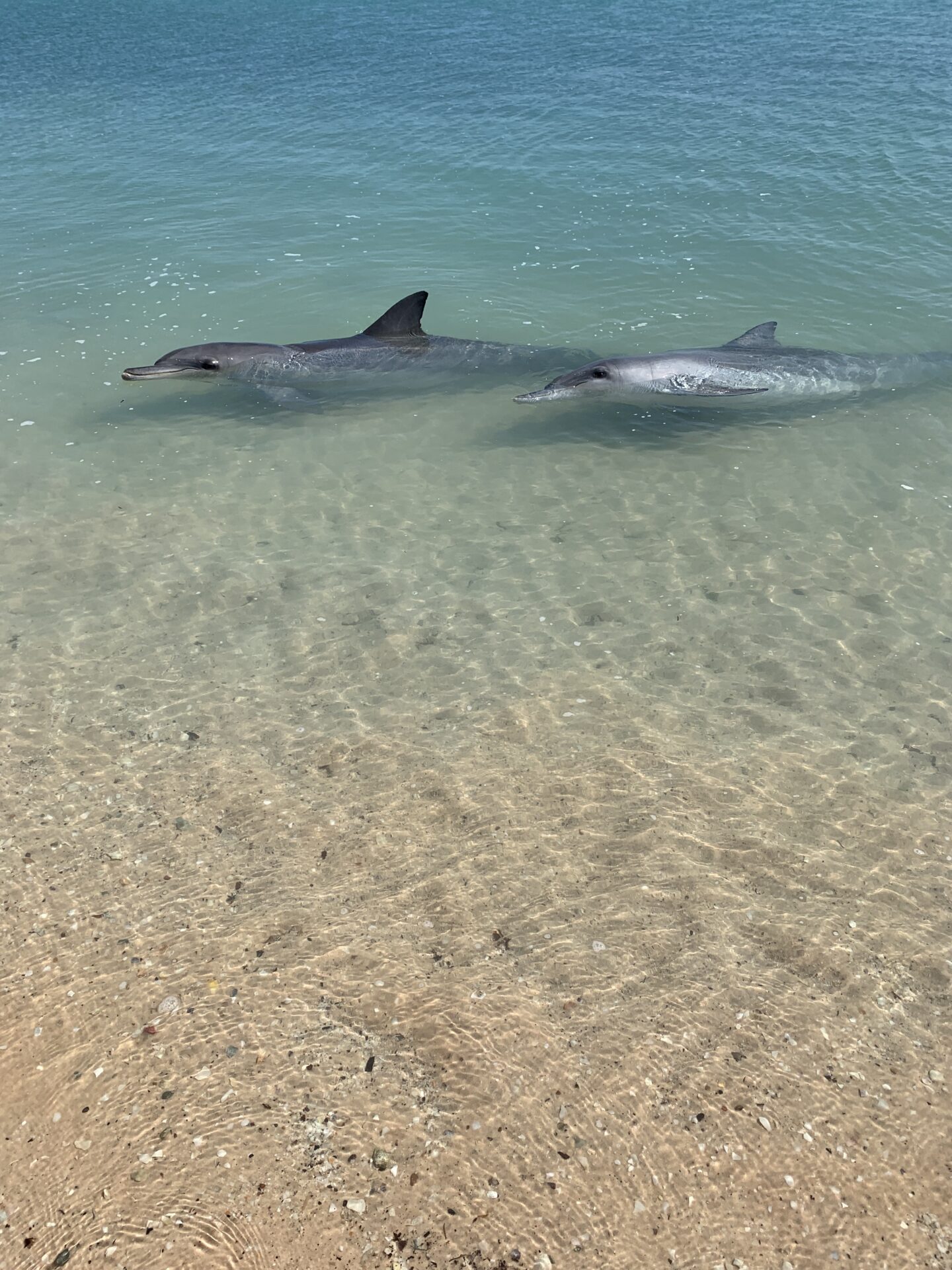
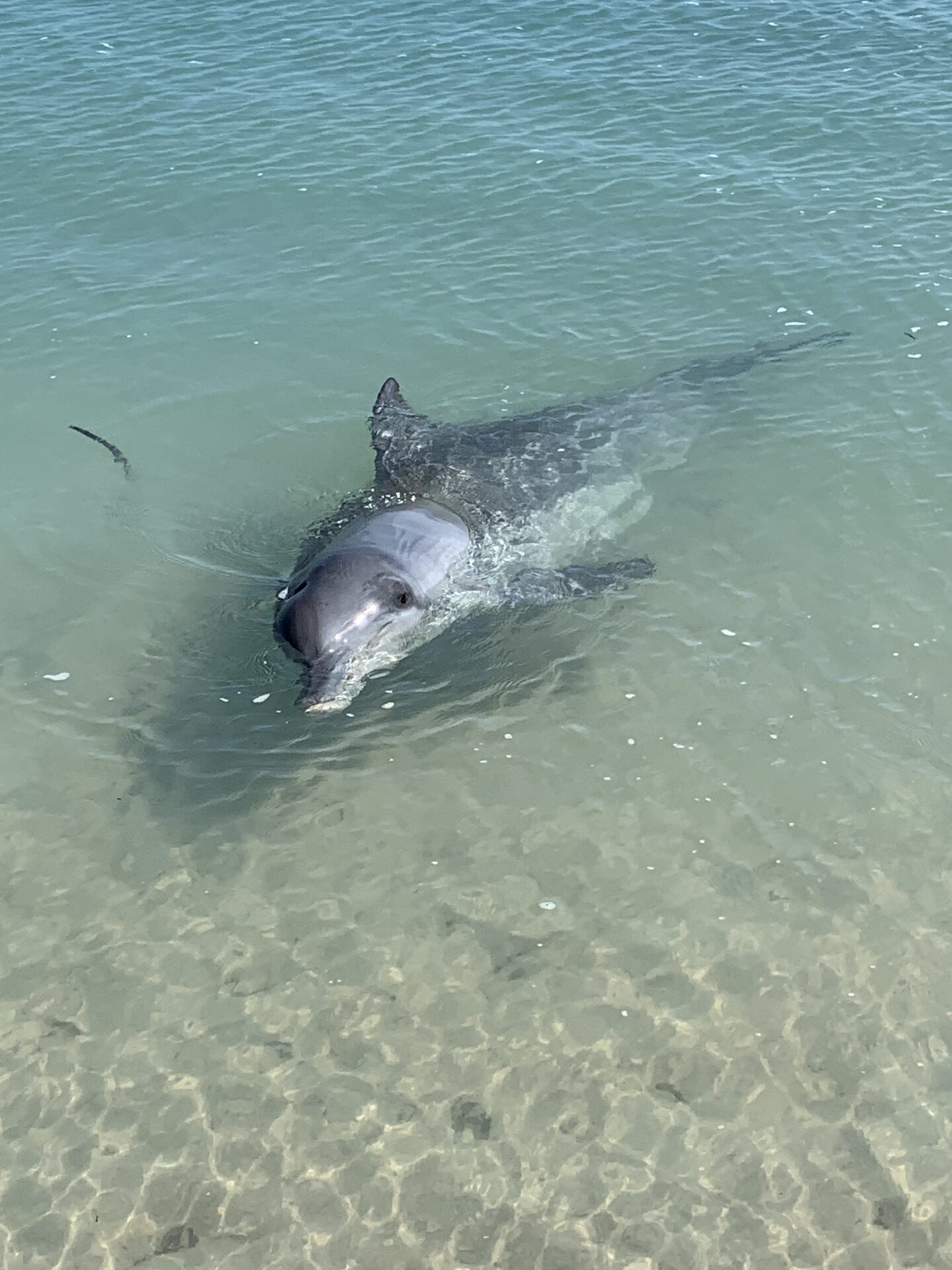
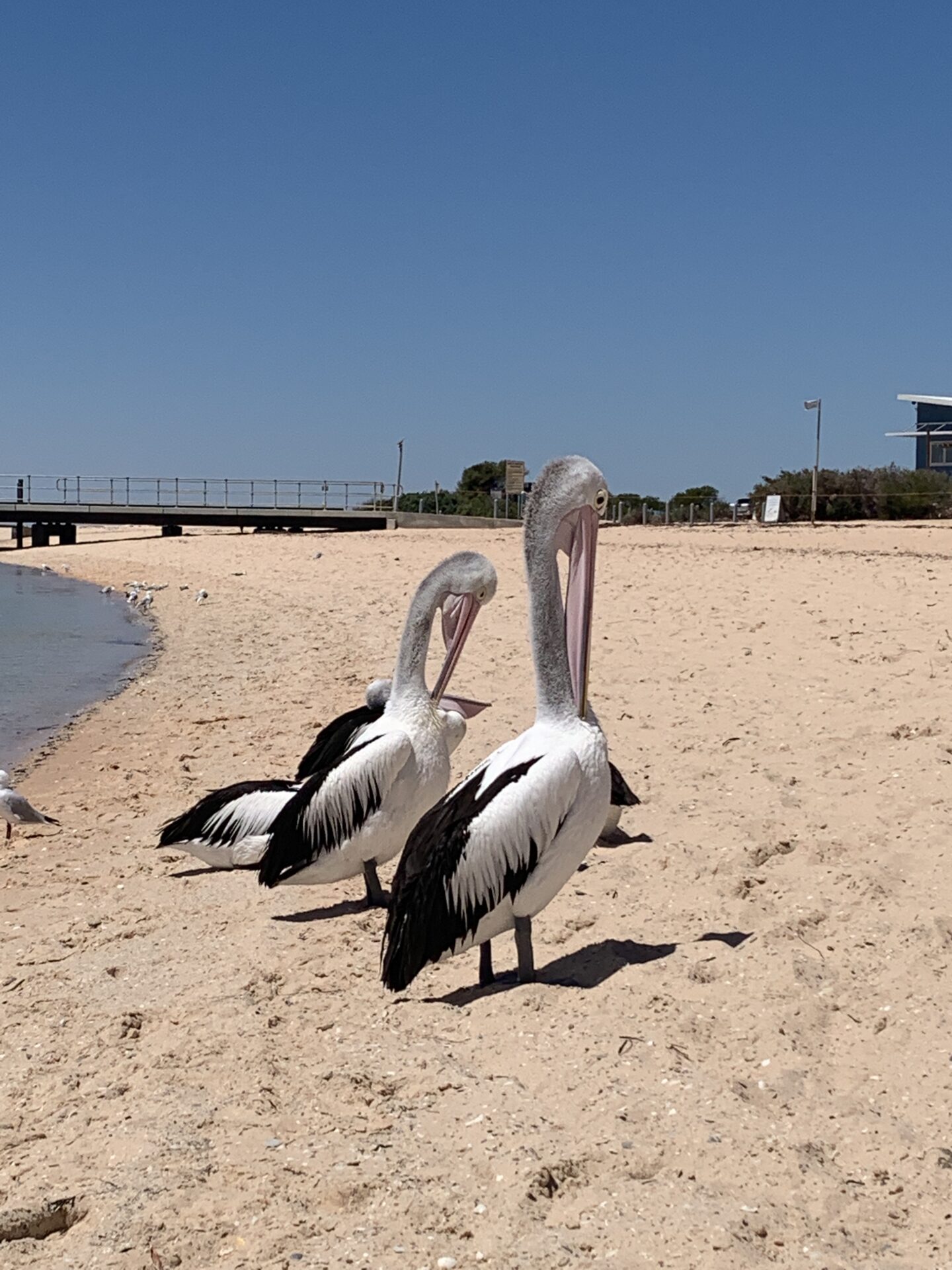
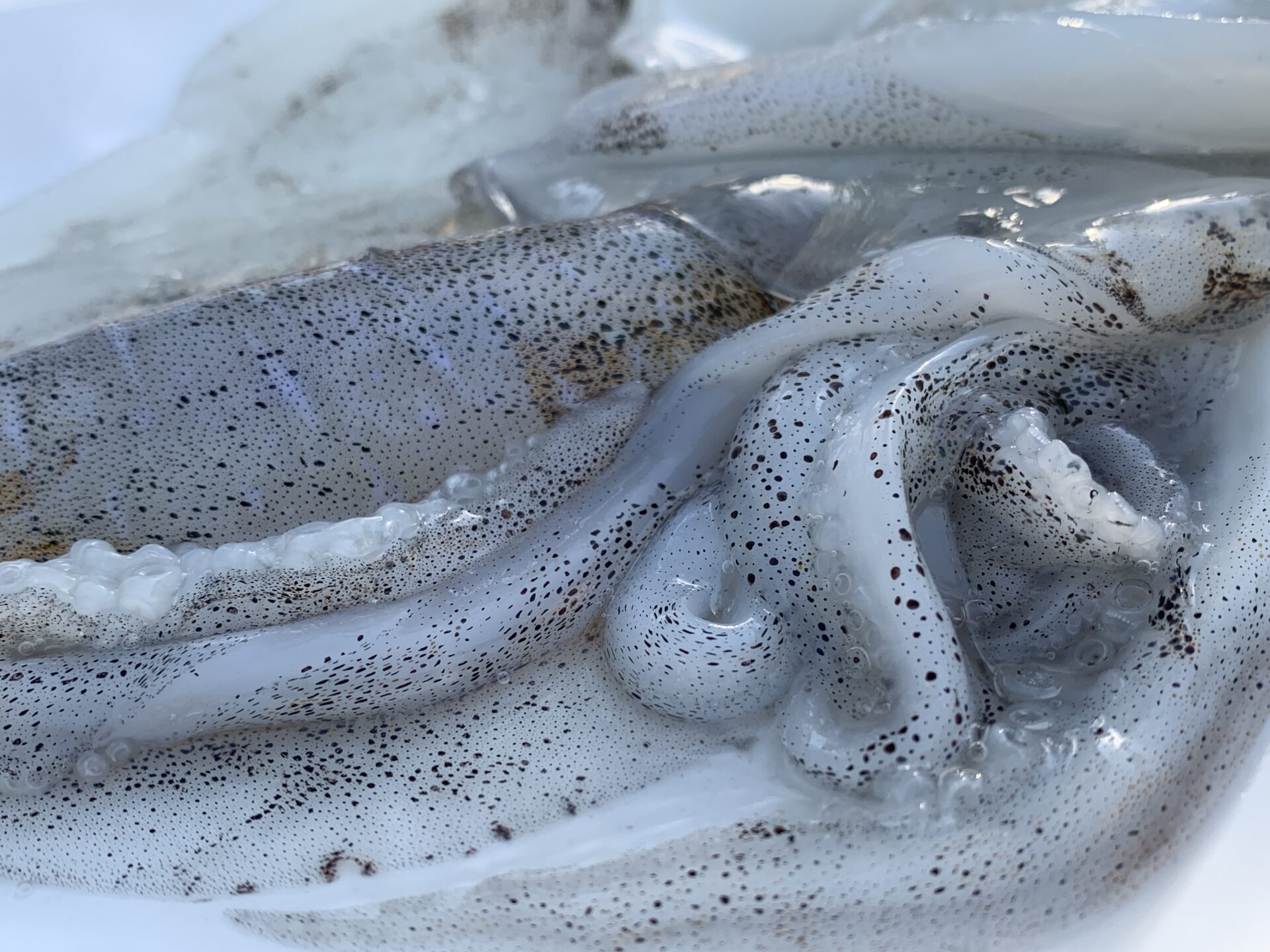
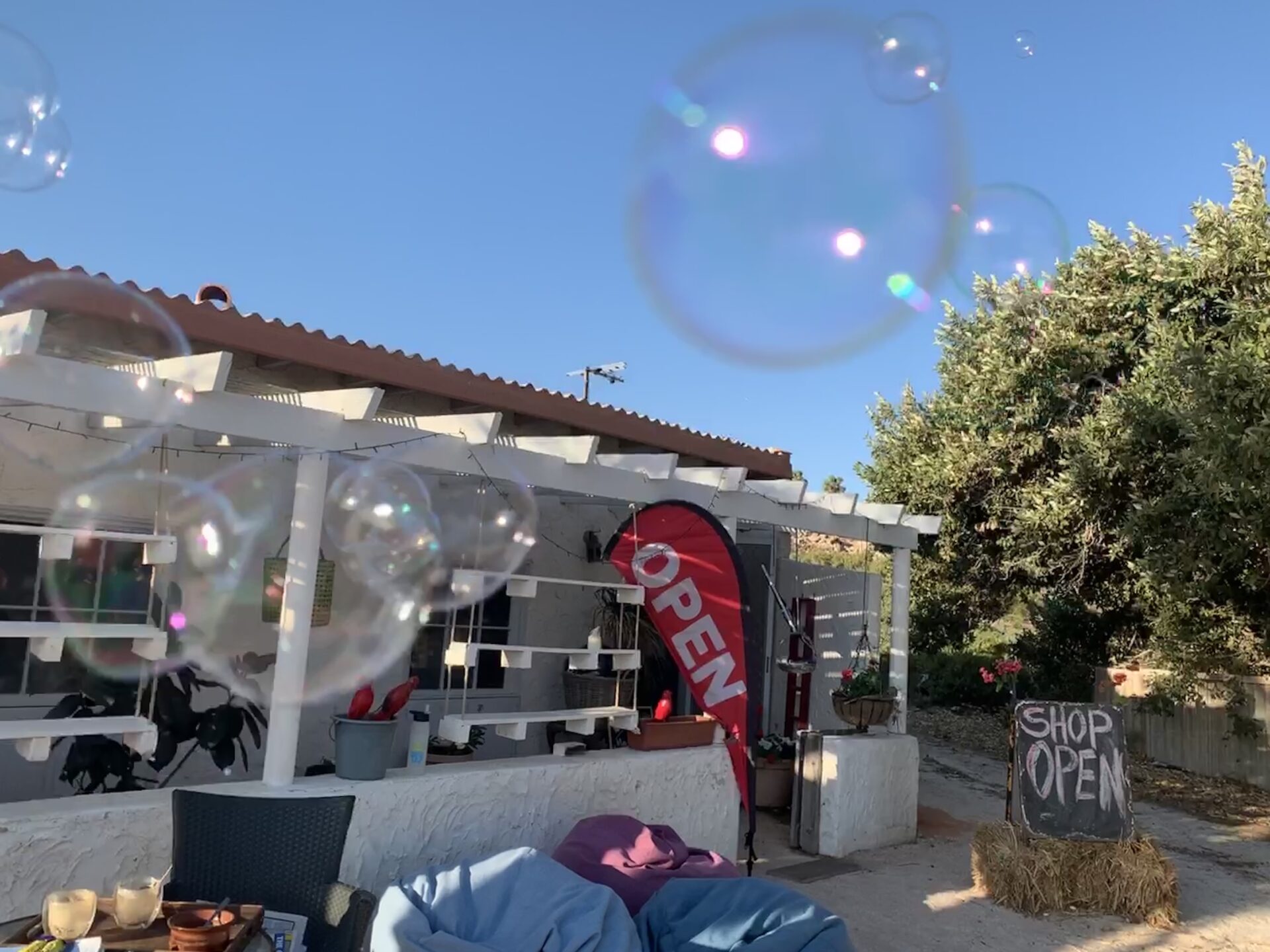
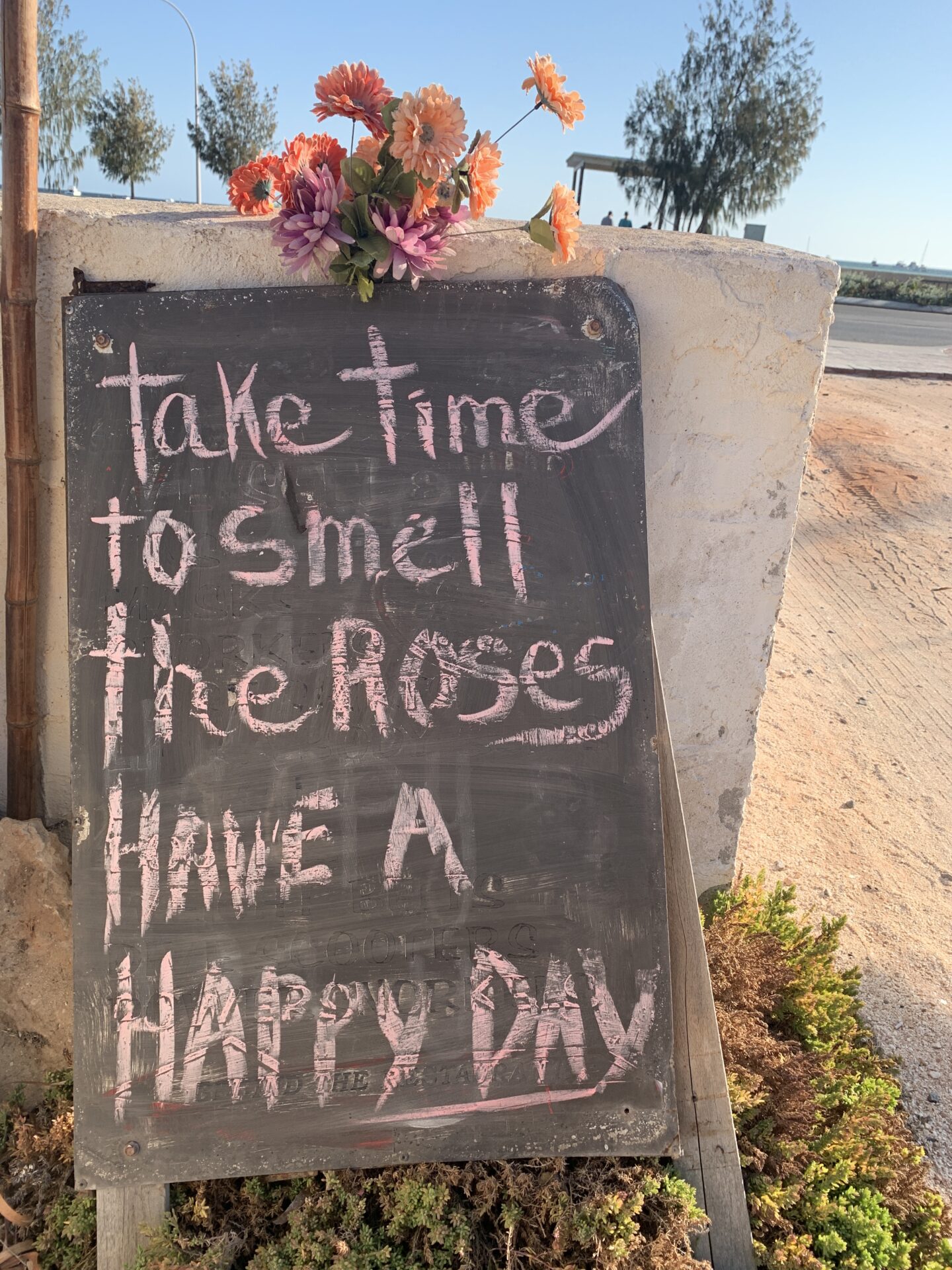
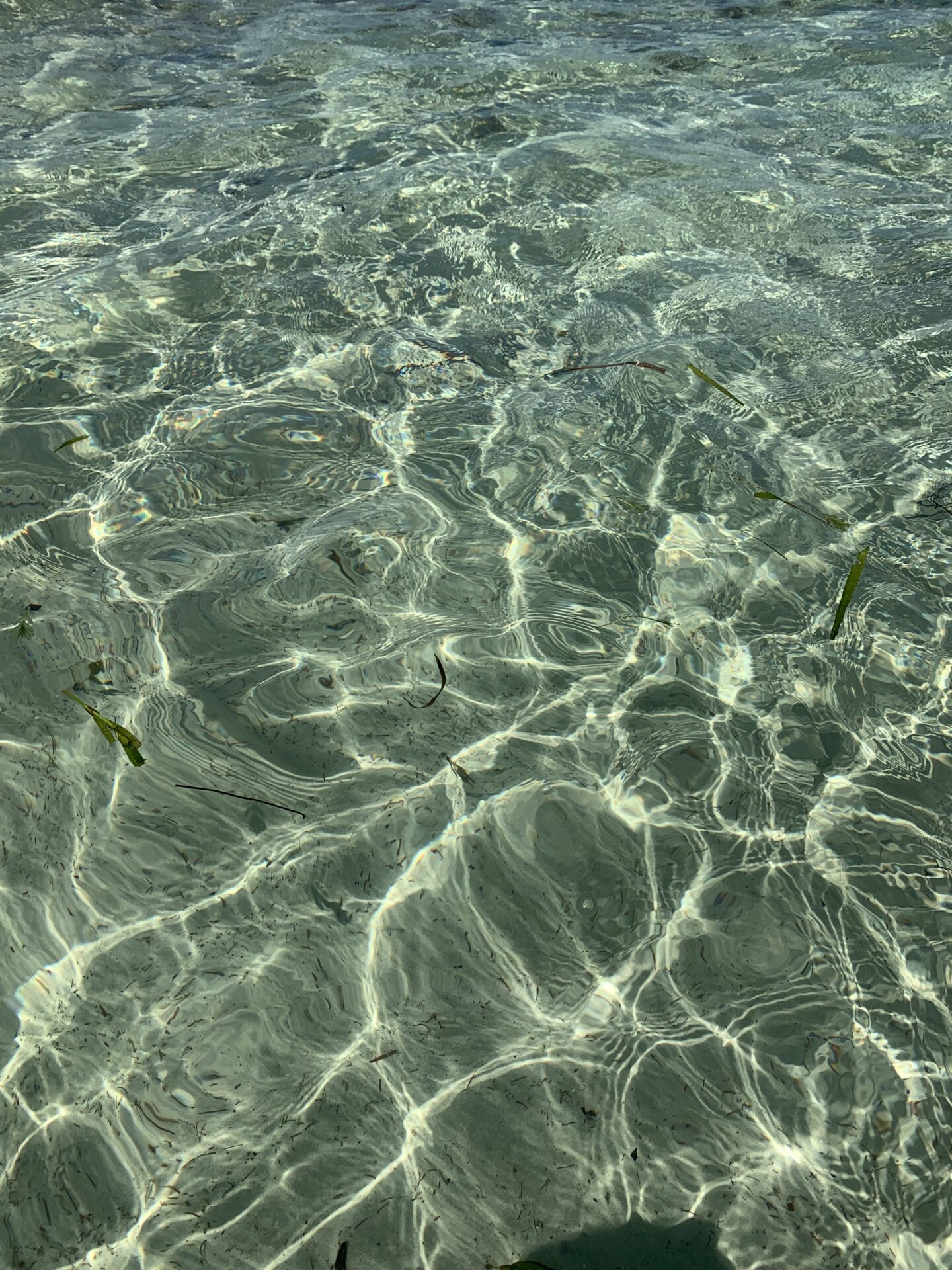
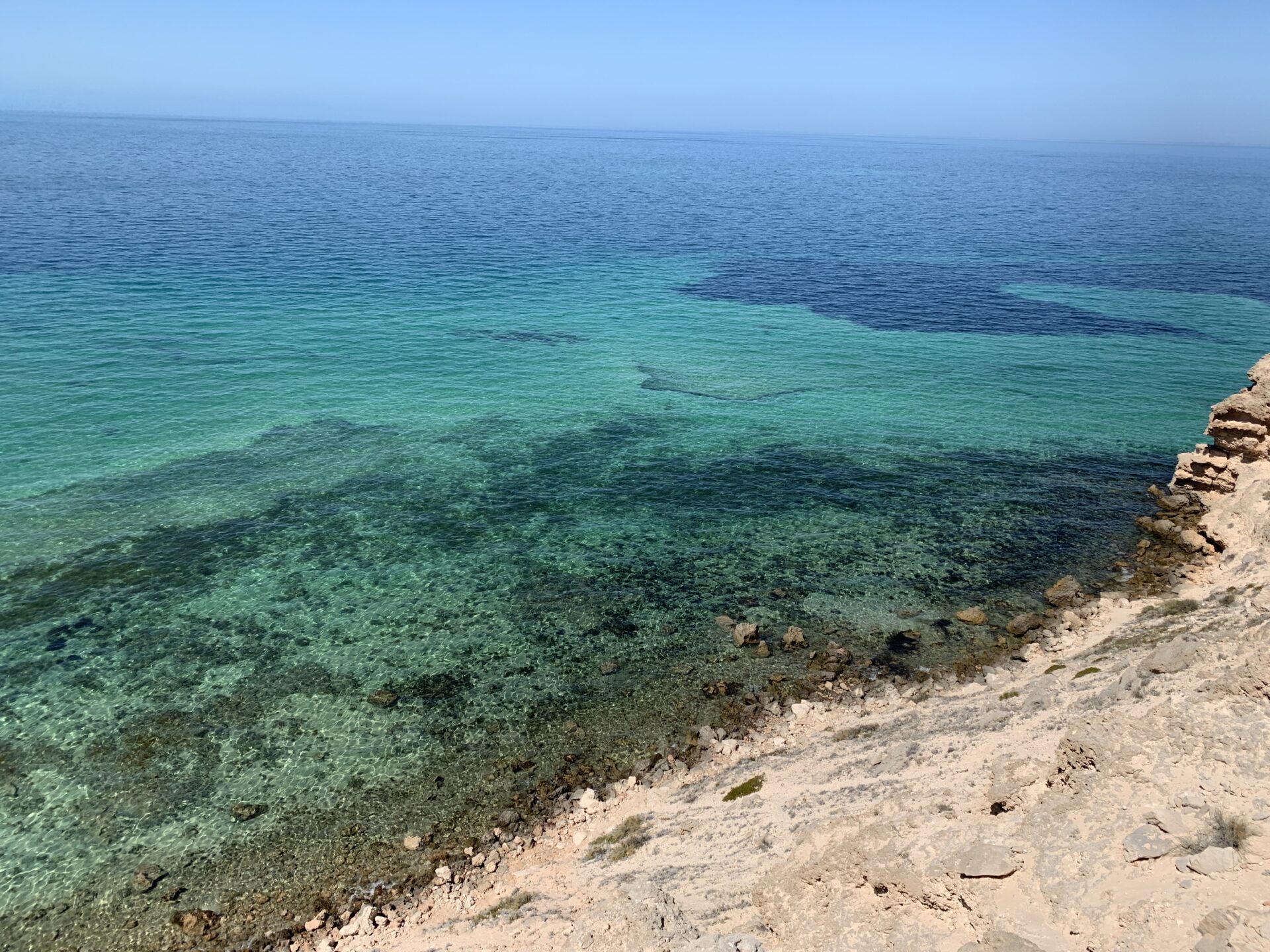
Your amazing colours
So many cute frens
The yummiest food
Amazing plant life
Your calming vibe
Salt and minerals that heal
Sounds of peace
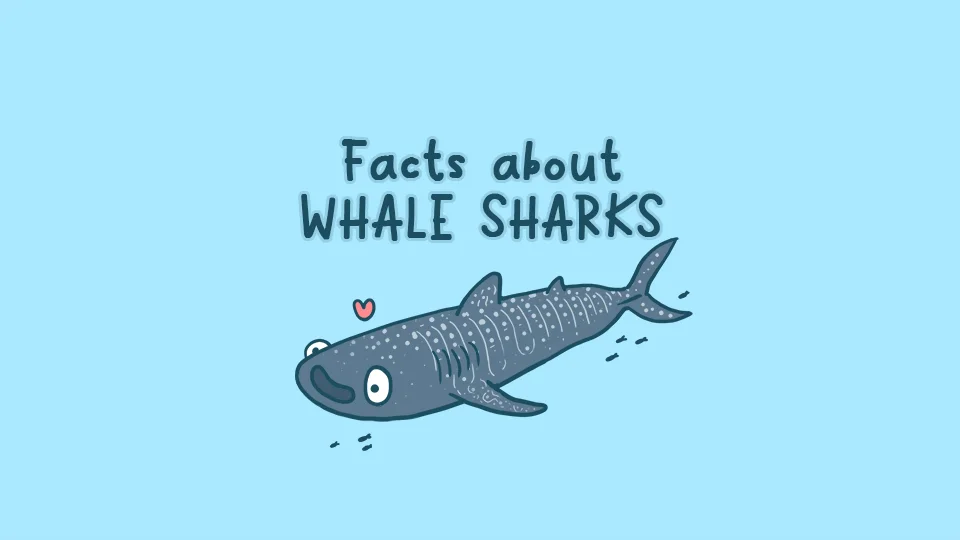
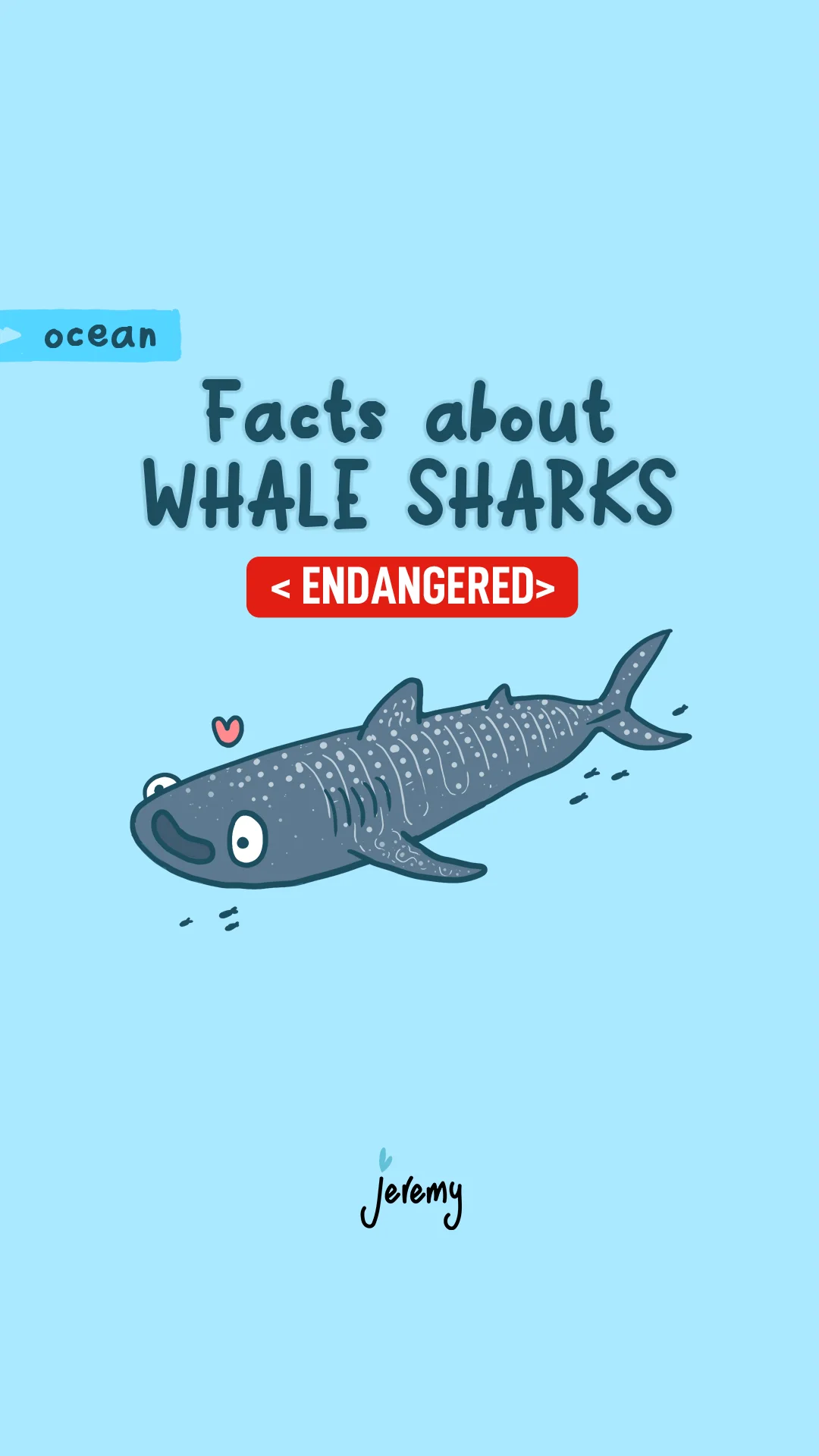
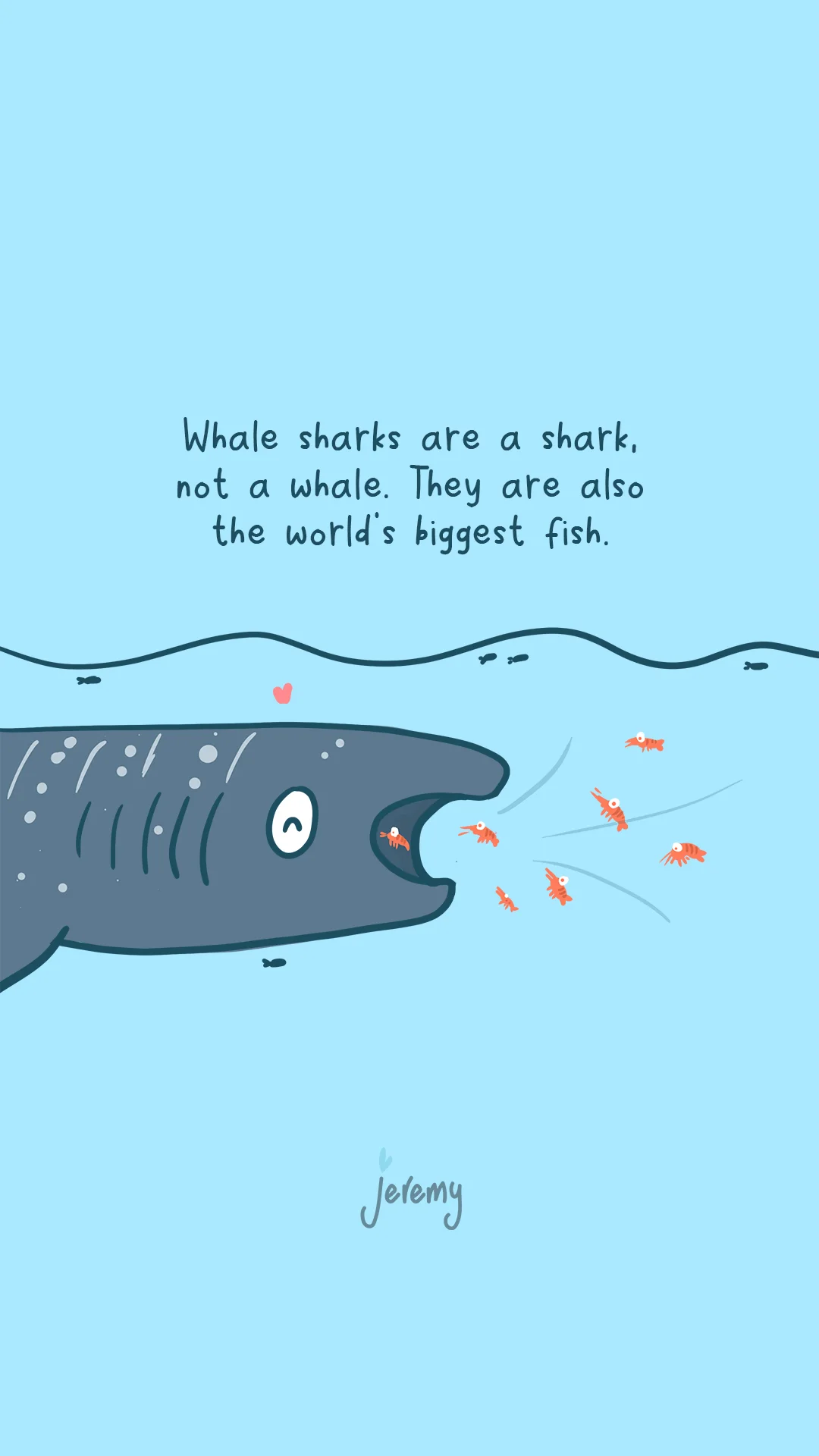
Whale sharks are the world’s biggest fish and they aren’t actually a whale, but a shark. Sharks are also a type of fish.
Their scientific name is Rhincodon Typus. This is derived from the Greek words rhinos (rasp) and don (tooth). And the word typos is from the Latin word, type – which means the whale shark is the 1st or foundational member of its species.
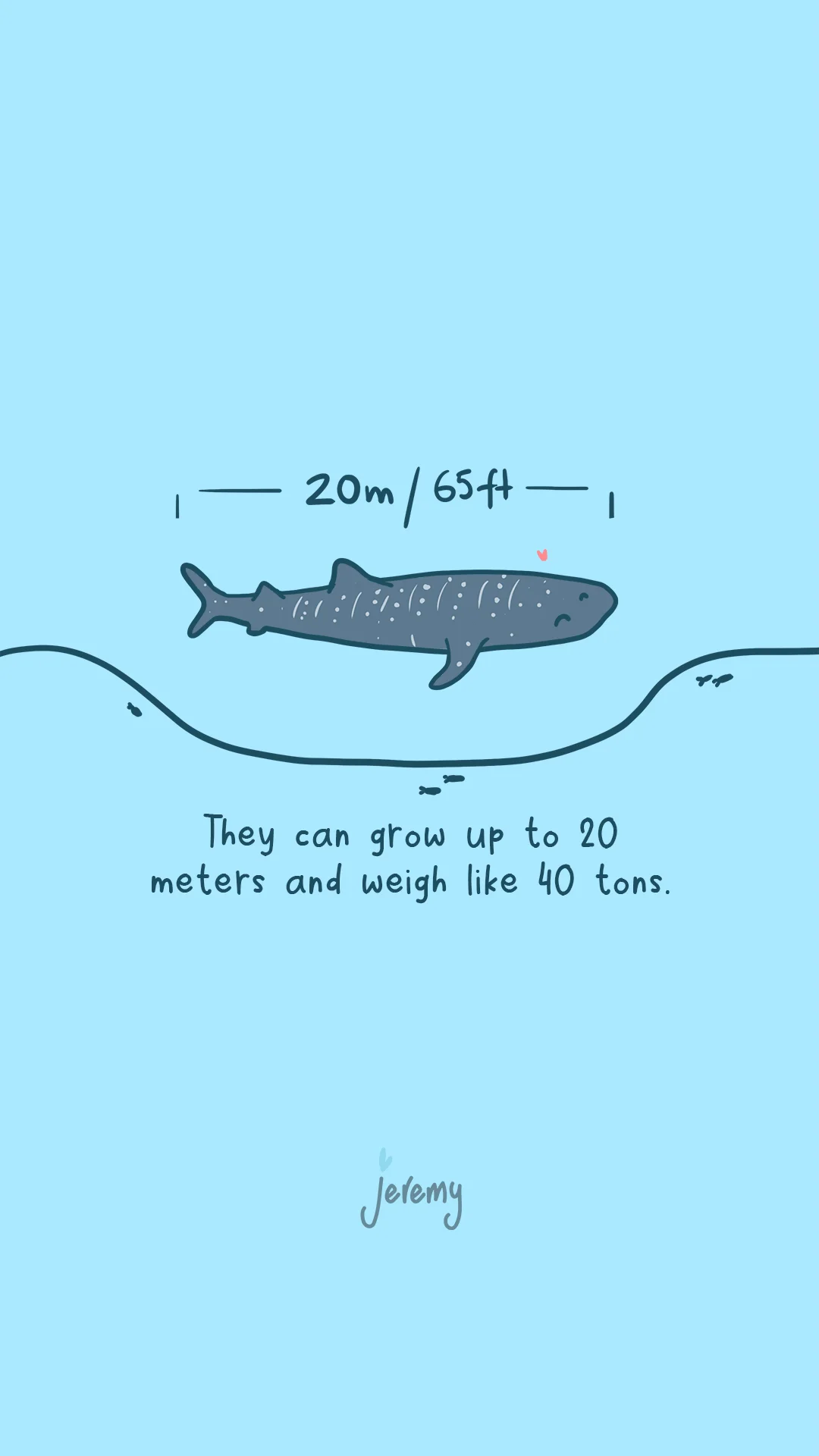
They can grow up to 20 meters and weigh like 40 tons!
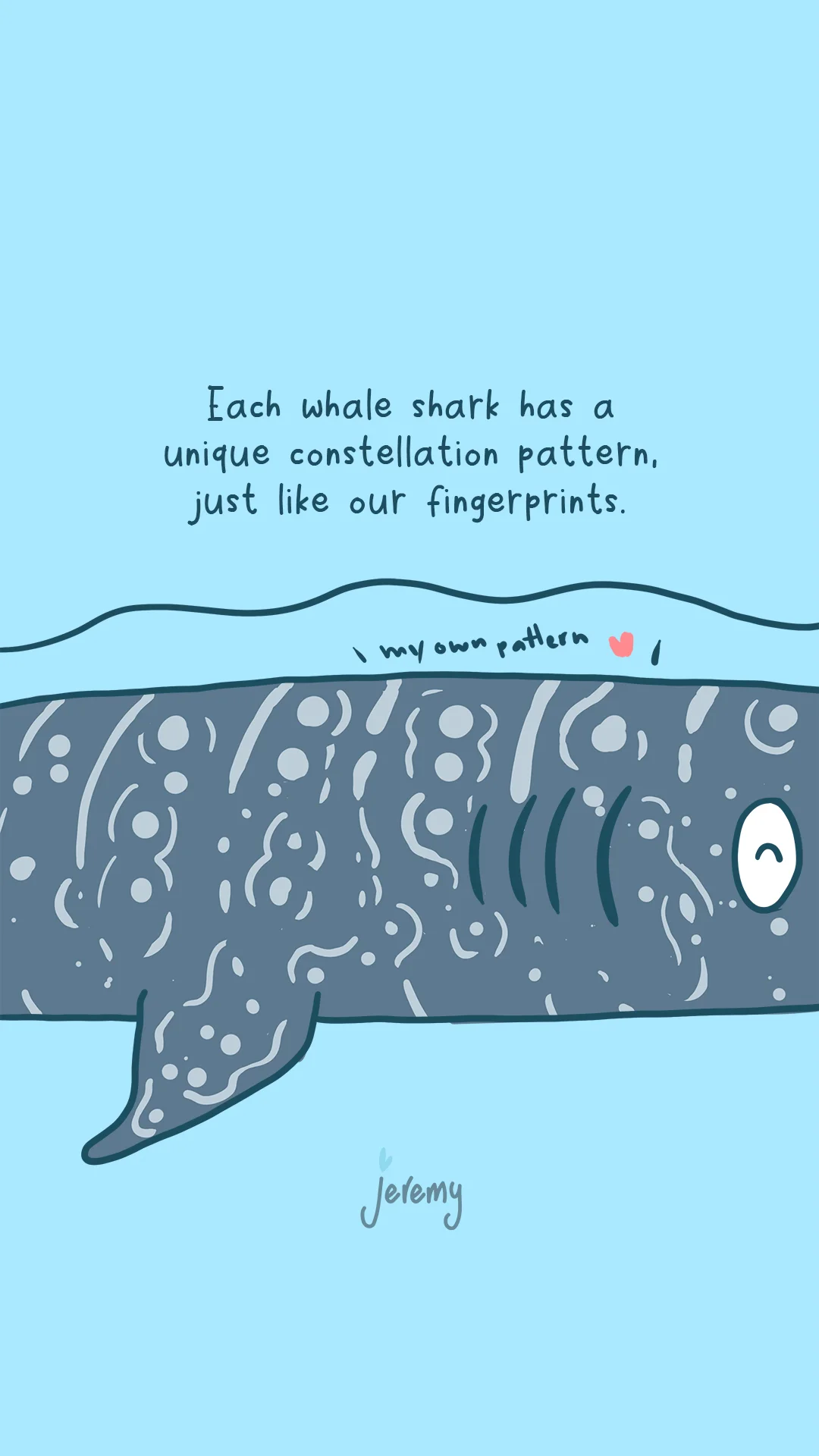
Each whale shark has a unique constellation pattern, just like our fingerprints.
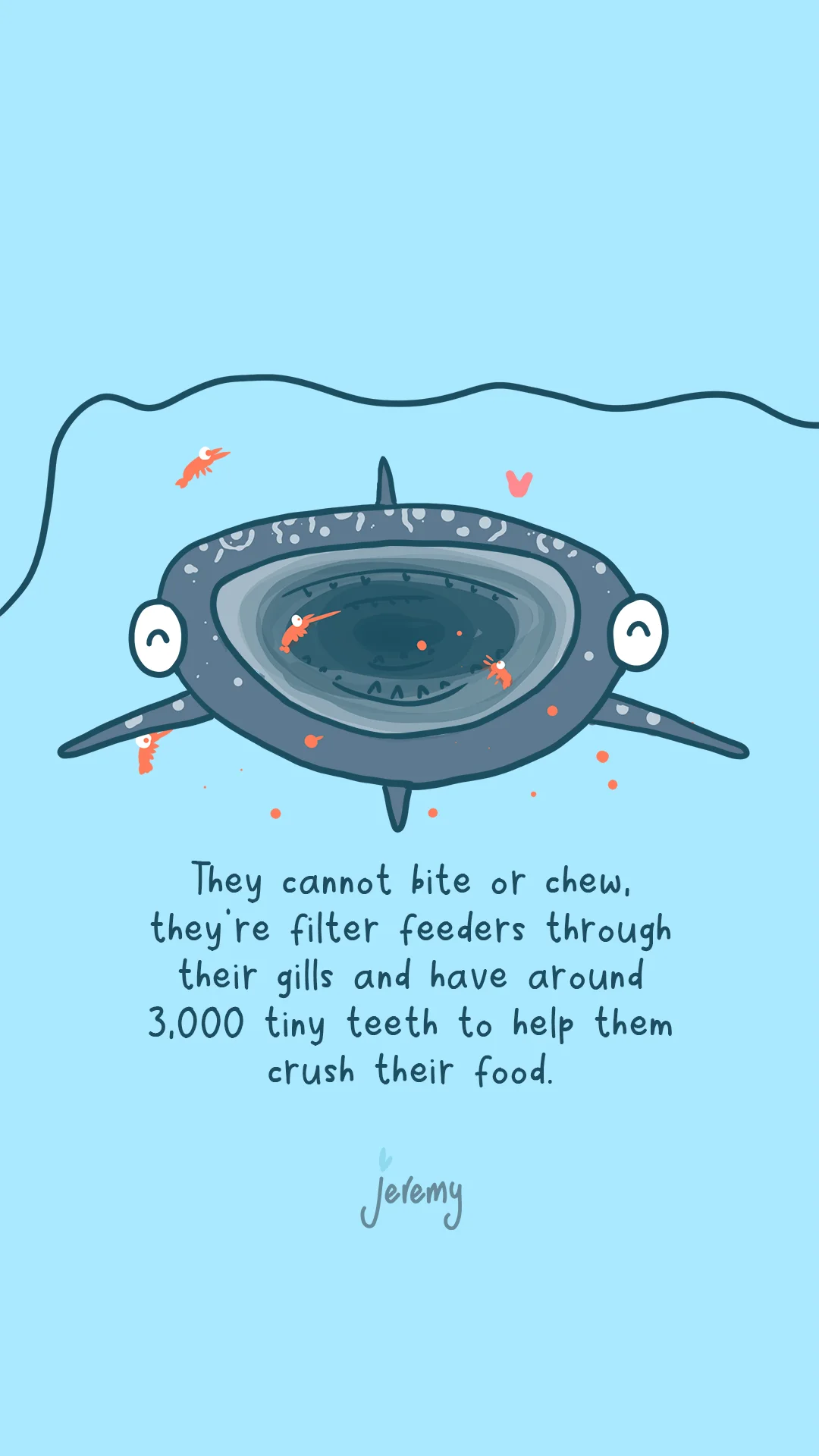
They cannot bite or chew, they’re filter feeders through their gills and have around 3,000 tiny teeth to help them crush their food
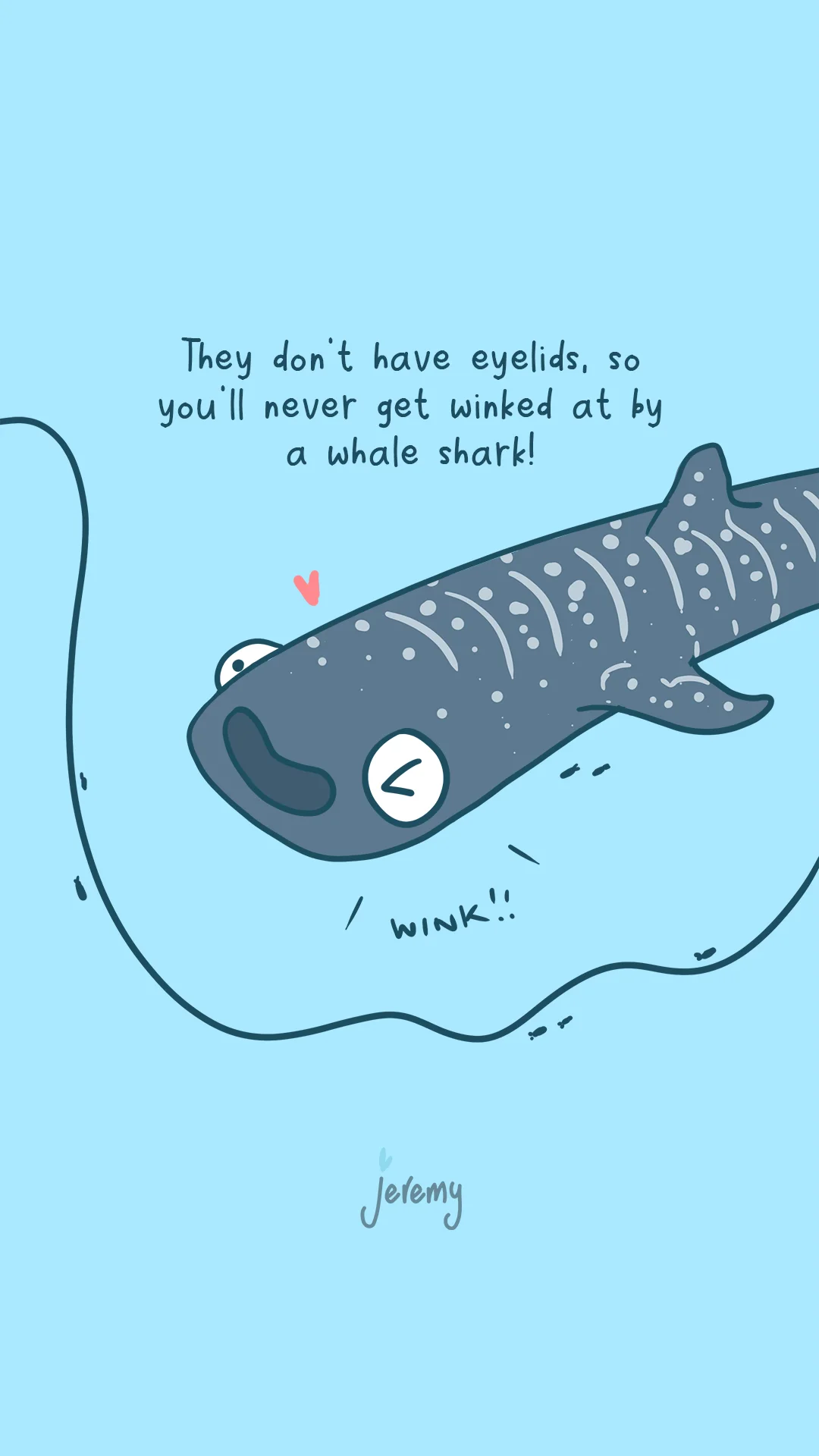
They don’t have eyelids, so you’ll never get winked at by a whale shark! 🙂
They have teeth (dermal denticles) on their eyes (a bit like bees) to protect them from damage.
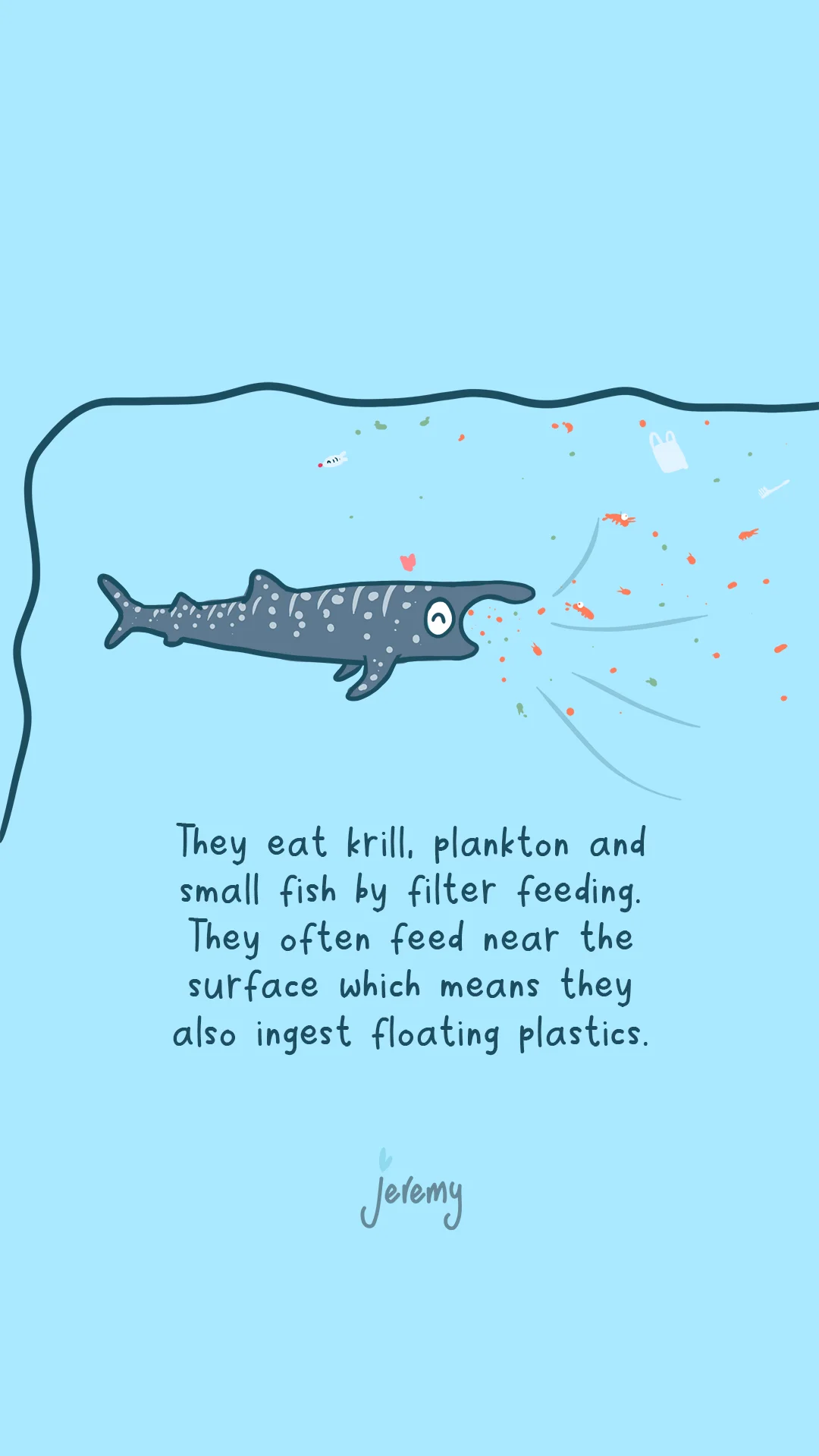
They eat krill, plankton and small fish by filter feeding. They often feed need the surface which means they can also ingest floating plastics.
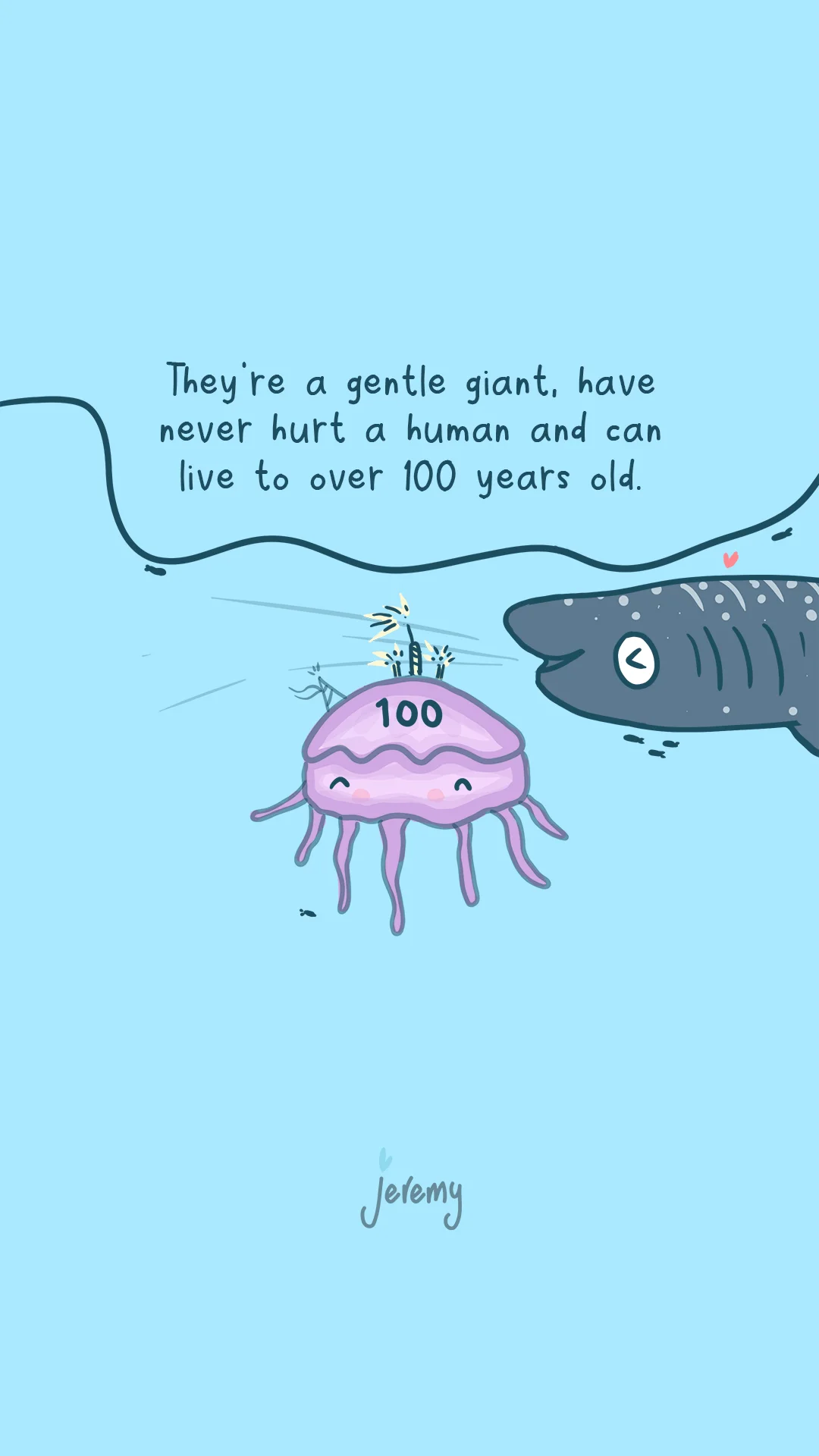
They’re a gentle giant, have never hurt a human and can live to over 100 years old.
Whale sharks are ovoviviparous which means they lay eggs inside, which hatch and then they give birth to live babies about 50cm long.
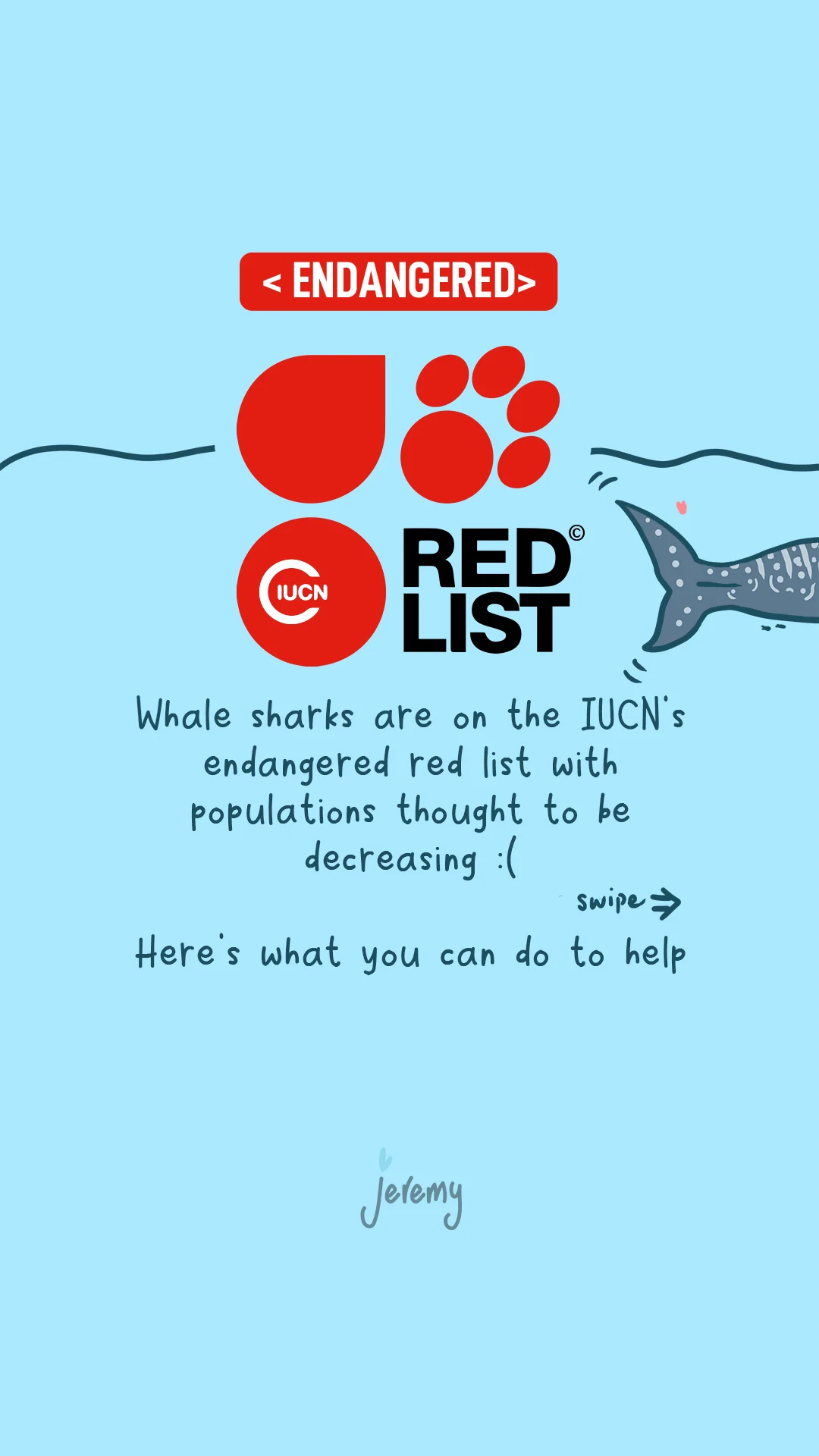
Whale sharks are on the IUCN’s endangered red list with populations thought to be decreasing
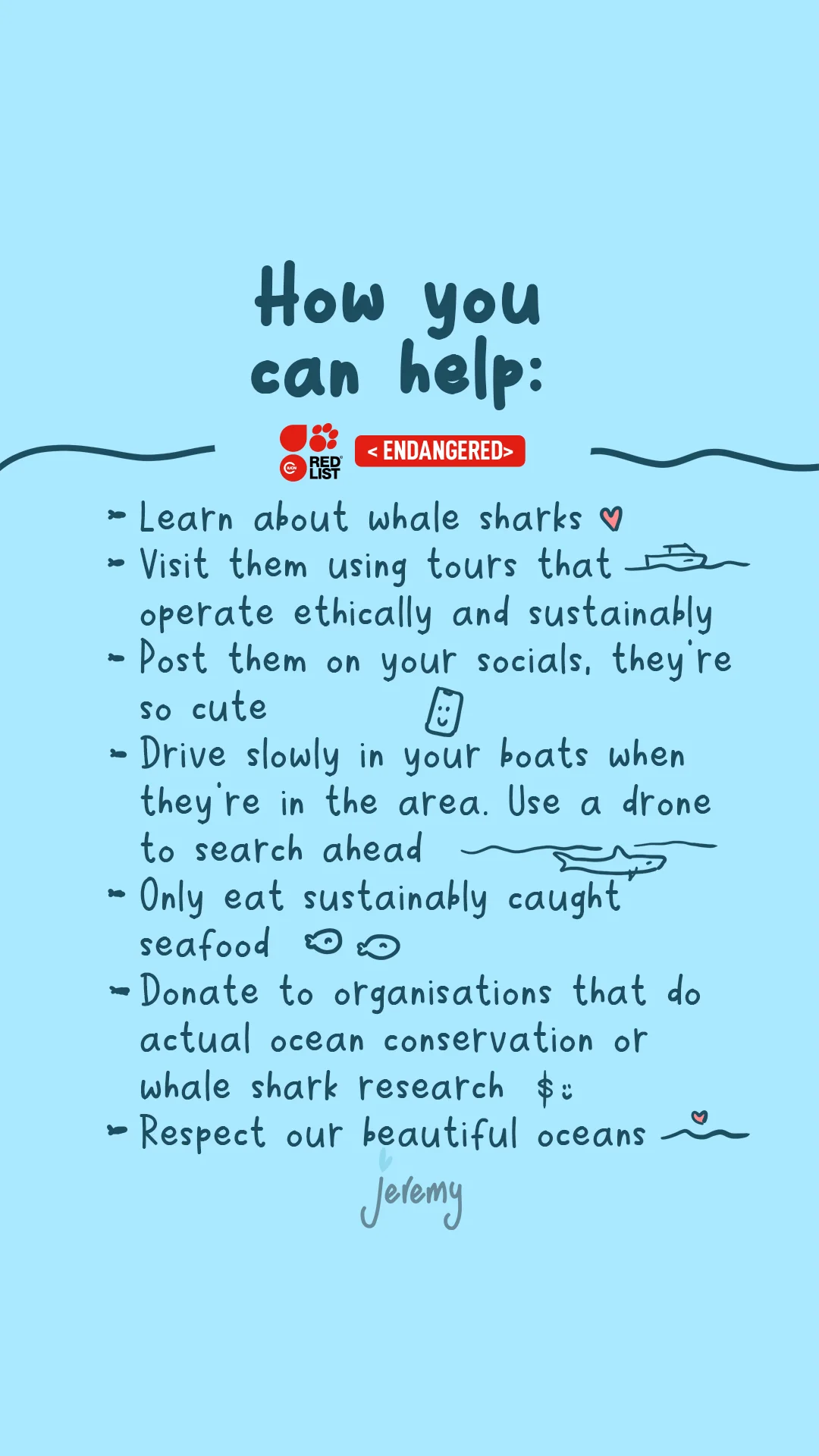
What you can do to help:
Learn about Whale Sharks here on the Red List.
Visit them using tours that operate ethically and sustainably.
Post them on your socials, they’re so cute 🥰
Drive slowly in your boats when they’re in the area. Use a drone to search ahead
Only eat sustainably caught seafood
Donate to organisations that do actual ocean conservation or whale shark research
Respect our beautiful oceans.
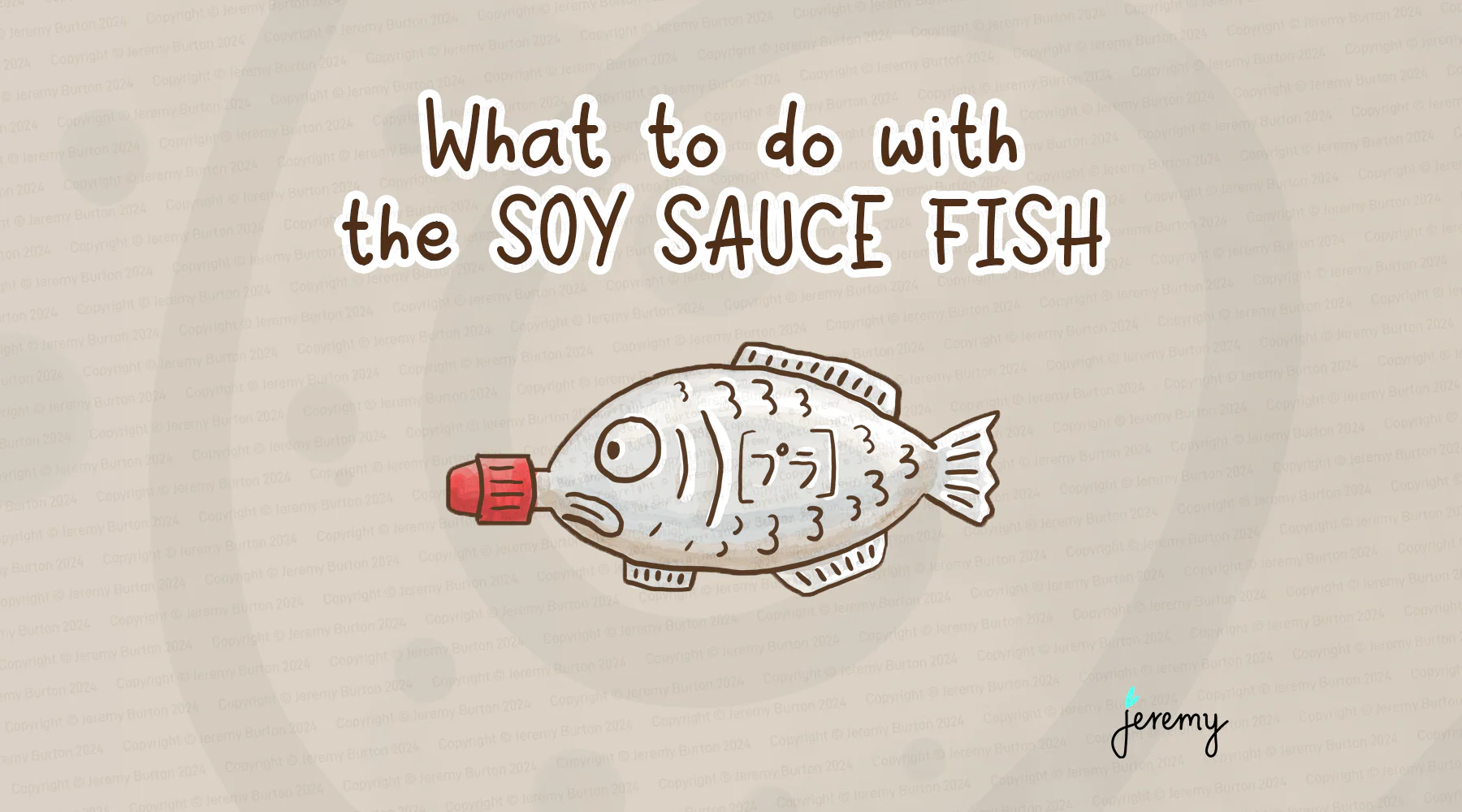
Plastic soy sauce fish are marine hazards.
They’re one of the most common items found washed up on beaches. I refuse them at sushi stores when I’m offered but the staff. They’re single use plastic and for such a small amount of content. The amount of plastic outweighs the content inside.
You may have kept them to upcycle or just because they’re cute. Well they are cute. So if you have them stored up, here’s a few fun ideas to upcycle them! 🫶🩵
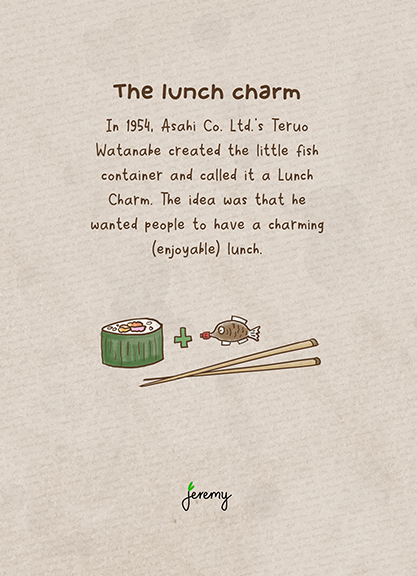
The lunch charm, was its original Japanese name. In 1954 Teruo Watanabe was asked to design up a small container for soy sauce that people could use at lunchtime.
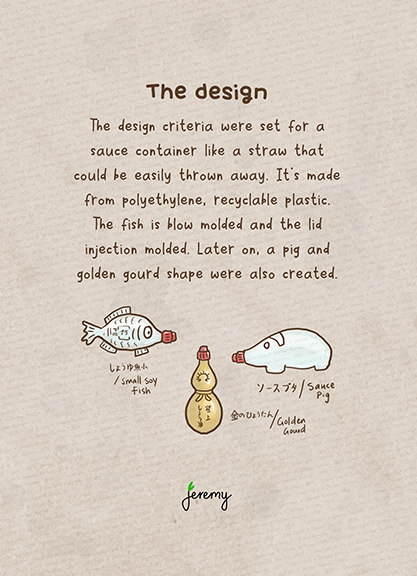
The design criteria were set as, a sauce container like a straw that could be easily thrown away. It’s polyethylene recyclable plastic. He came up with the fish design and later a golden gourd and pig were also created.
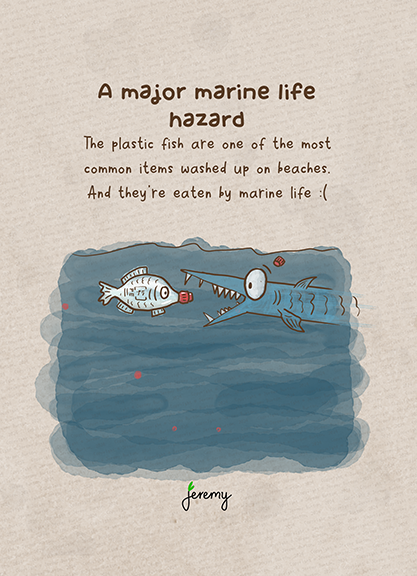
The plastic fish are one of the most common items washed up on beaches and they’re eaten by marine life.
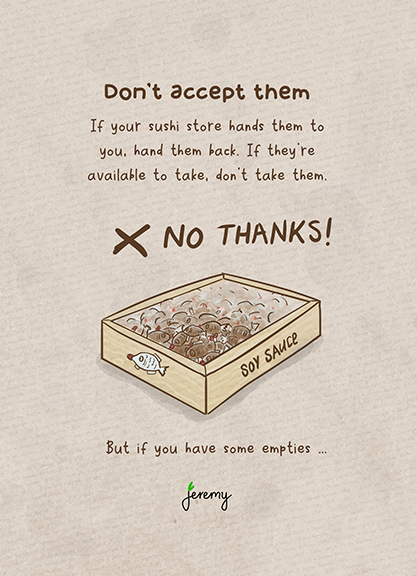
If they offer them to you, just say no.
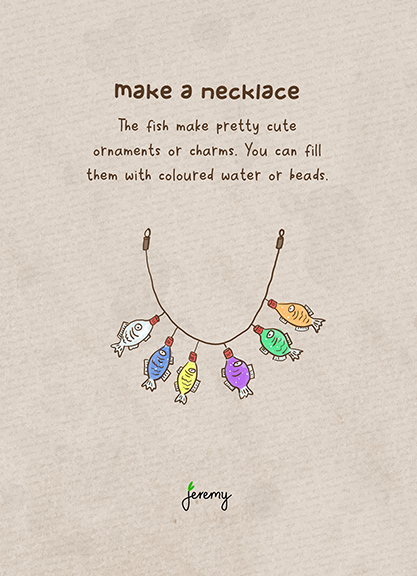
Make a necklace! The little fish make cute necklace ornaments and you can fill them with colour.
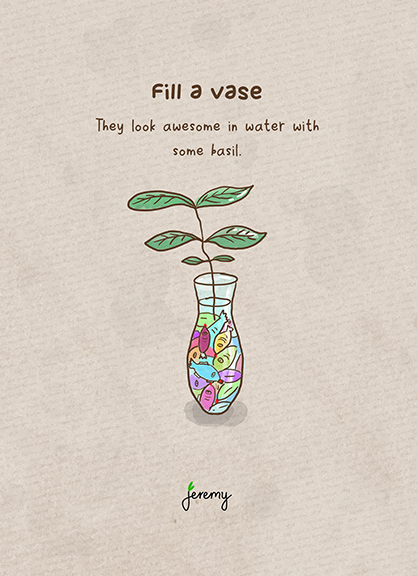
They look awesome in water filled with colour. Just drop in some basil.
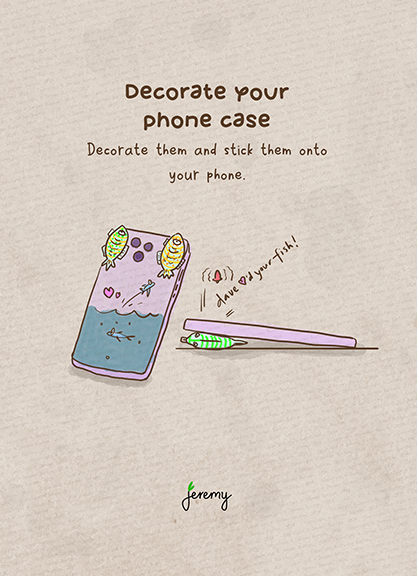
Decorate your phone case with them. Use a hot glue gun and stick them on.
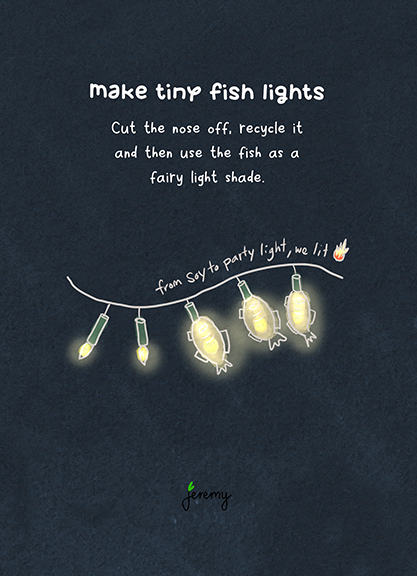
Cut off the cap (nose) and use them as fairy light shades. You could even colour them with permanent marker. Liiiiittt
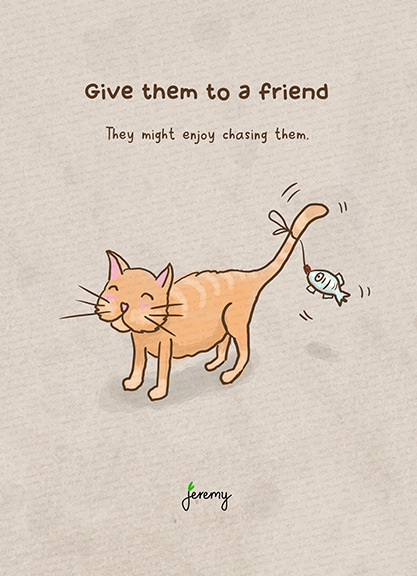
They might enjoy chasing them.
Thanks of your support. With your help we can reduce the number of soy sauce fish in the oceans.
Join me on Threads for more or subscribe at the bottom of the page for these posts in your email.